
Last updated November 14, 2026
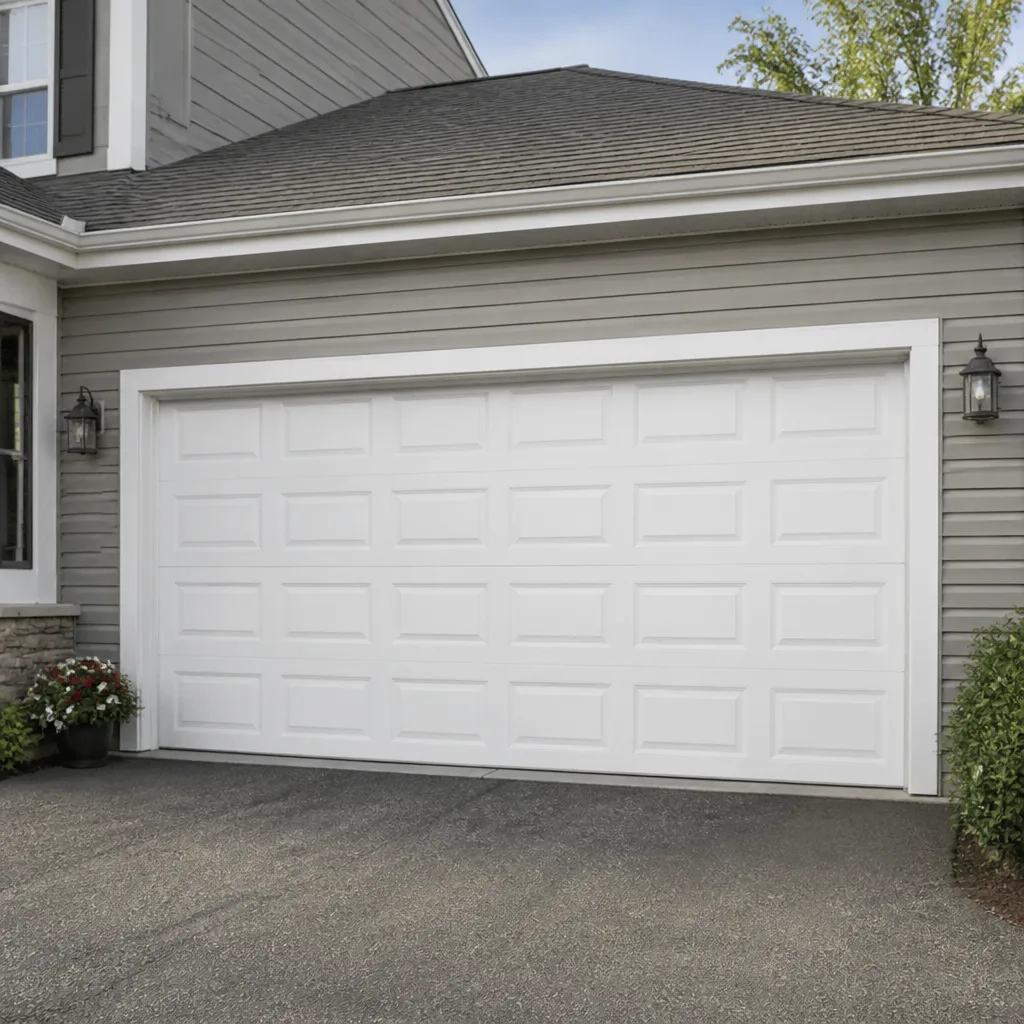 Raised-panel steel
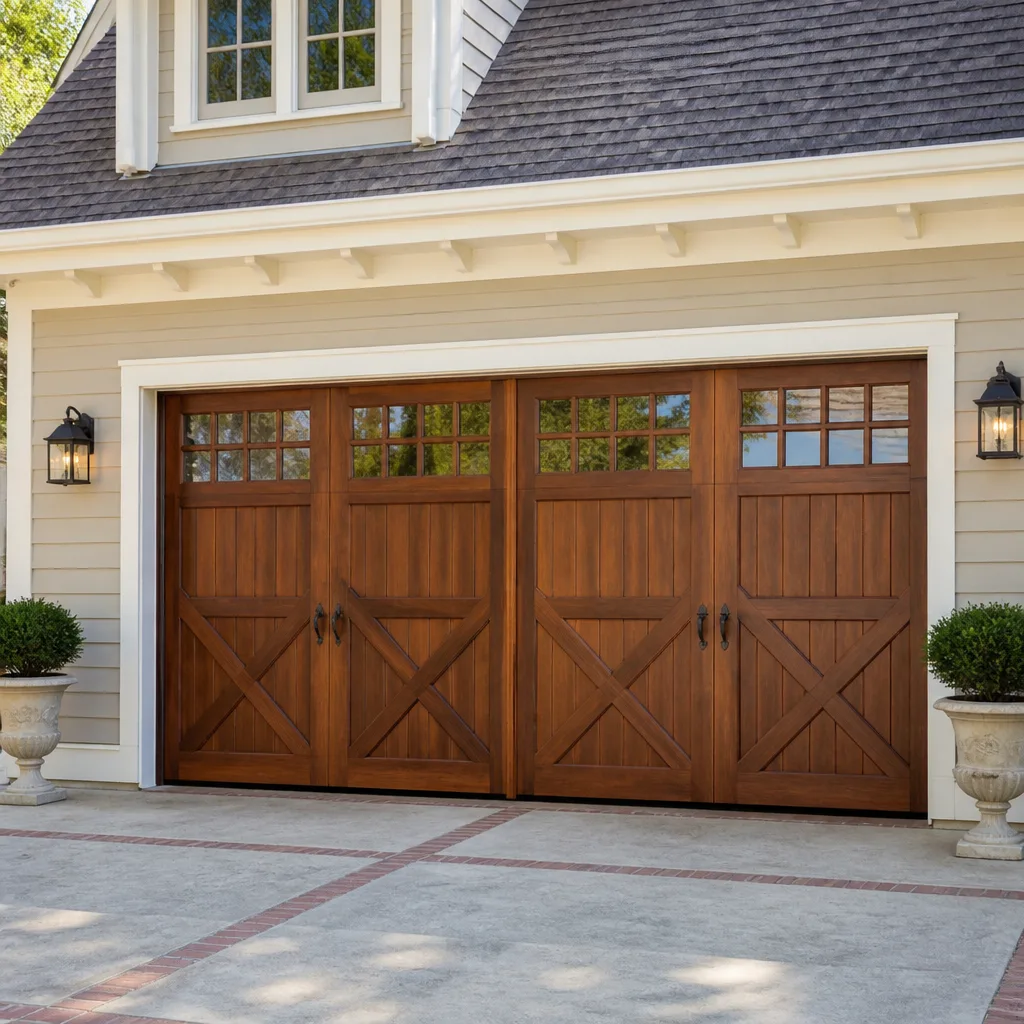 Carriage house
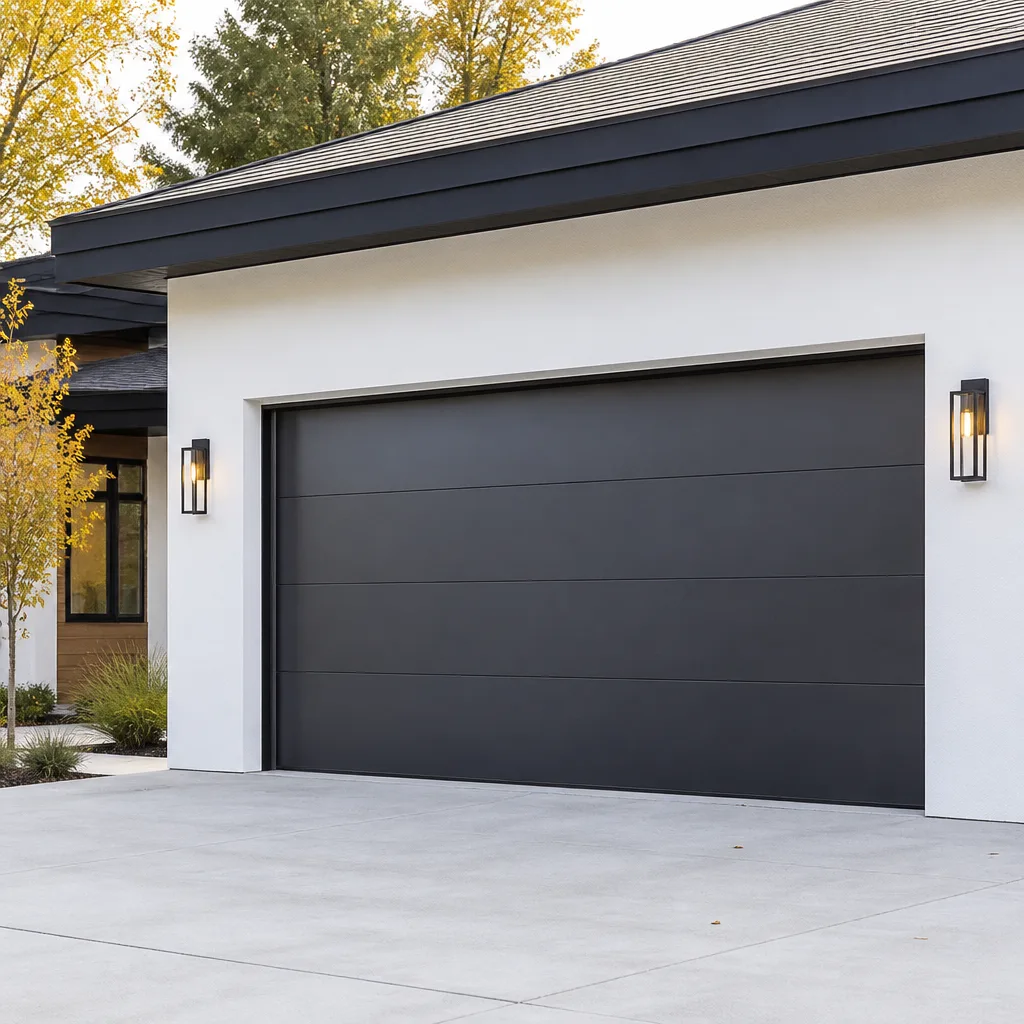 Modern flush
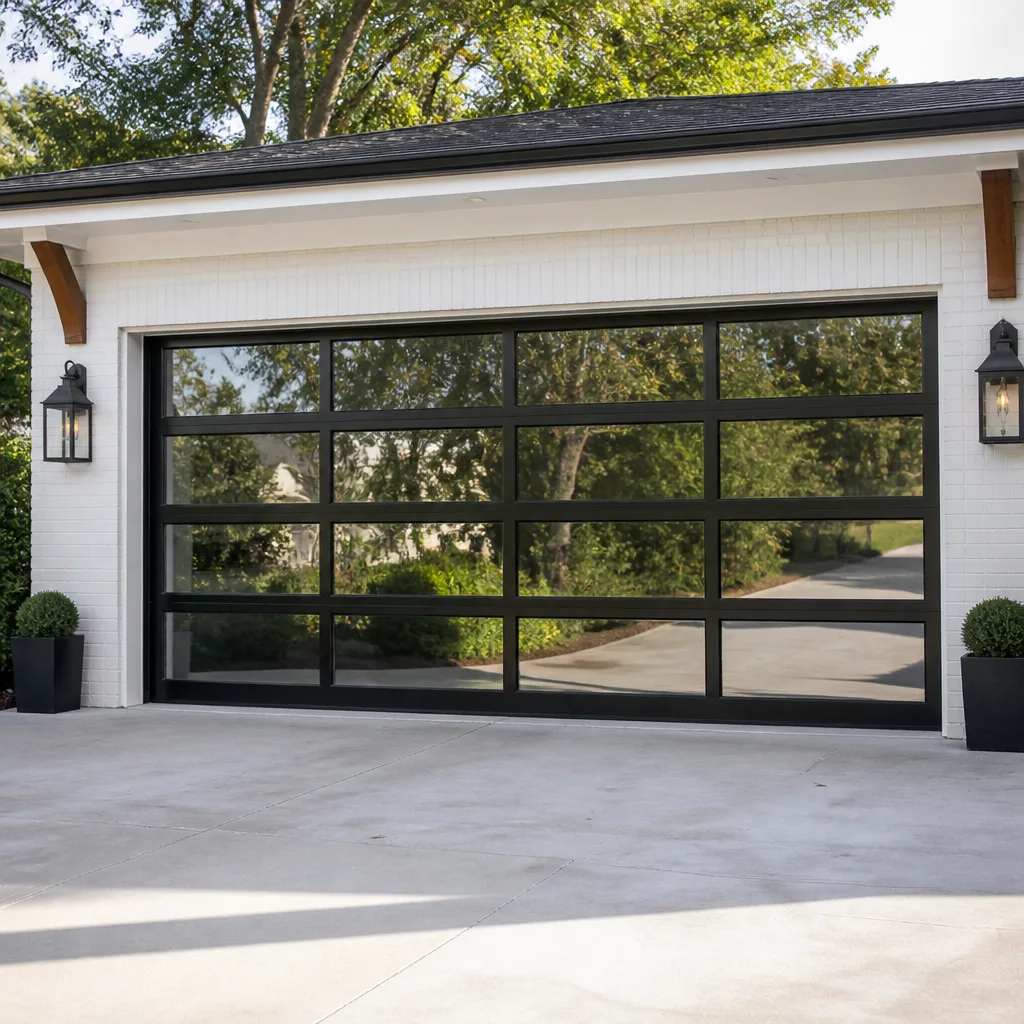 Full-view glass
 LiftMaster openers
 Chamberlain openers
Full 25-point door and opener safety check with every visit - springs, cables, rollers, tracks, and your LiftMaster or Chamberlain opener included
You get a price before we start. It does not change when the truck arrives.
Get your free estimateGarage Door Permits, Codes & Inspections in Salinas, CA: What You Need to Know
Here’s the misconception that catches people at the worst possible moment: many Salinas homeowners assume that because a garage door is a “fixture” and not living space, nothing about it needs a permit. That’s half true, and the wrong half can cost you. A spring swap or an opener replacement is maintenance and never touches the permit desk. A full door replacement is a different animal, and California treats it that way. In this guide we’ll walk through when a garage door project in Salinas actually triggers a building permit, what Title 24 has to say about new installs in Monterey County, how the inspection works, and how unpermitted work surfaces at closing. It’s the stuff a home inspector will ask about and a buyer’s agent will lean on.
Quick Answer
In Salinas, replacing a garage door like-for-like or swapping springs and openers is generally treated as maintenance and doesn’t require a building permit. A full door replacement that changes the door’s size, the opening, the header, or the door’s energy performance is a structural or Title 24-relevant change and usually does require a permit from the City of Salinas Building Department. When in doubt, call the city directly; it’s a five-minute conversation that saves a lot of headache.
Styles & brands we work with
- Raised-panel steel
- Carriage house
- Modern flush
- Full-view glass
- LiftMaster openers
- Chamberlain openers
Table of Contents
- When Does a Garage Door Project Need a Permit in Salinas?
- California Title 24 and New Garage Door Installs in Monterey County
- What the Salinas Inspection Process Actually Looks Like
- How Unpermitted Garage Door Work Shows Up on a Title Report
- Who Pulls the Permit: Contractor vs. Homeowner
- Selling a Salinas Home With Garage Door Work on Record
- Brand Knowledge and Why It Matters for Code Compliance
- Common Mistakes to Avoid
When Does a Garage Door Project Need a Permit in Salinas?
The dividing line in Salinas comes down to whether the work is maintenance or a structural change. Most of what we do every day – repairing a broken spring, replacing a bent roller, swapping a dead opener, rebalancing a door that’s drifted – sits firmly on the maintenance side. None of that touches the building permit desk. The city cares about changes to the structure, the opening, or the door’s thermal performance, not the fact that a hinge wore out.
Here’s a practical breakdown of what typically falls on each side:
- No permit required (maintenance): Spring replacement, cable repair, roller and hinge swaps, opener repair or replacement, panel replacement of the same size, rebalancing, lubrication, weatherstripping.
- Permit usually required: Replacing the entire door with a different size, changing the rough opening, altering the header or structural framing, converting a manual door to an automatic one where electrical work is involved, and any project that changes the door’s rated thermal performance under Title 24.
- Grey area (call the city): A door replacement with the exact same dimensions and same U-factor rating as the one you’re removing. Some jurisdictions still want a permit because it’s a full replacement; Salinas has been known to treat like-for-like swaps as maintenance, but it depends on the specific scope, so ask.
The simplest rule we give Salinas homeowners: if the door you’re putting in is the same size and same efficiency as the one coming out, you’re probably in the clear. If anything about the opening, the framing, or the efficiency changes, pick up the phone and call the City of Salinas Building Department before you order. That single call is the cheapest insurance you’ll ever buy on a garage project.
If you’re not sure which side of the line your project falls on, garage door repair work is nearly always maintenance. A full replacement is where the conversation changes, and that’s usually the point to talk to a specialist.
California Title 24 and New Garage Door Installs in Monterey County
California’s Title 24 energy code applies statewide, and Monterey County is not exempt. When you install a new garage door, the door has to meet a minimum thermal performance standard – that’s the U-factor rating stamped on the product label, and it’s a real number, not a marketing claim. This is where a lot of Salinas homeowners get surprised: they order a door for the look or the color, then discover at inspection time that it doesn’t hit the required U-factor for the installation.
Practically speaking, here’s what Title 24 means for a new install in Salinas:
- The door has a U-factor rating. Boxes and spec sheets state it. It has to meet or beat the minimum for a conditioned-space garage door on your specific project type.
- Insulated doors are the standard for conditioned garages. A non-insulated door on an attached garage that shares a wall with living space won’t pass muster in most cases.
- The permit application references the door’s rated performance. When a permit is required for a replacement, the spec sheet for the door you’re installing goes in the application packet.
- Energy compliance is verified at inspection. The inspector wants to see that the installed door matches what was permitted.
This is one of the reasons we’re careful about which brands we recommend. A Clopay or Amarr insulated door comes with clear Title 24 documentation. That paperwork matters at inspection and again at resale. A door with no rating label, or a rating that doesn’t match the permit, will trigger a fix-it request every single time.
If you’re planning a replacement and want a door whose performance you can actually document, this is the moment to talk to a specialist. Our Fletcher Garage Door Repair team walks Salinas homeowners through the Title 24 side of a replacement before a door is ever ordered.
What the Salinas Inspection Process Actually Looks Like
If your project required a permit, the inspection is typically brief – often 15 to 30 minutes on site – but it’s thorough on the specific items that were permitted. The inspector is not going to test your opener or ask you to run the door up and down ten times. They’re checking the structural and energy elements of the permitted scope, and they’re comparing what’s installed against what was approved.
Here’s the typical sequence:
- Permit application is submitted with the door specs, the rated U-factor, and the scope of structural work if any framing or opening changes are involved.
- Plan check confirms the paperwork matches the project. Simple replacements move quickly; opener-size or header changes get more scrutiny.
- Permit is issued and the work is scheduled.
- Installation happens, and the door is verified against the permitted specs.
- Inspection is scheduled once the door is in and the opener is functional. The inspector checks what’s in the permit scope, and if everything lines up, the permit is signed off and closed.
The most common reasons a garage door inspection fails in Salinas, in our experience:
- The installed door’s U-factor doesn’t match the permit packet.
- The opener was swapped to a different model than what was permitted, particularly when the electrical circuit was part of the scope.
- Structural work (header modifications, reframing) was completed but not signed off on before the door went in.
- Missing safety features required by code on automatic doors, such as proper photoelectric sensors.
- The permit was pulled but never called for inspection, so the work stays technically “open” on the record.
The last one is the most common and the easiest to avoid. If you pull the permit, call for the inspection. An open permit haunts a sale far worse than a closed one with a correction on it.
How Unpermitted Garage Door Work Shows Up on a Title Report
This is the part most Salinas homeowners don’t hear about until it’s too late. A title report doesn’t usually show unpermitted work directly – it shows permits that were pulled but never closed, and it shows the record of any work that a building department has flagged. But the bigger issue is the disclosure: California’s transfer disclosure requirements obligate a seller to disclose material facts about the property, and known unpermitted work is a material fact.
When a buyer’s home inspector flags a garage door that doesn’t match the county’s record of the property, the whole transaction gets complicated. A few things happen:
- The buyer’s agent asks for proof of permit. If none exists, they ask for a correction.
- The lender’s appraisal may flag the door as a potential issue if it looks like a non-compliant install.
- The buyer’s inspector notes it as an “unpermitted modification” and the negotiation begins from there.
- The seller is often the one who ends up paying for the retroactive permitting or the correction at closing – because the seller is the one whose name is on the deed when the question gets asked.
In other words: a permit you skip today becomes a credit at closing, at best, or a lost sale at worst. And because Title 24 has been enforced on replacement doors for years now, a door installed without a permit in the last decade is the one a buyer’s inspector is most likely to spot.
Who Pulls the Permit: Contractor vs. Homeowner
In California, a homeowner can pull an owner-builder permit for work on their own primary residence, provided they actually do the work themselves (or act as their own general contractor). Once you hire someone to do the work, the permit and the license requirements shift to them. This is the part where the responsibilities matter, and where “who gets fined” becomes a real question.
The rules break down this way:
- Licensed contractor doing the work: The contractor pulls the permit under their license. If the work is wrong or the inspection fails, the contractor is the one on the record with the city. This is the clean version, and it’s the one that protects you.
- Homeowner pulling an owner-builder permit: You are the responsible party. You can’t hire someone to do the work under your owner-builder permit. If a contractor does the work under your permit, you’ve both got a problem, and the fine and the correction fall on you.
- Unlicensed worker doing the work: There’s no permit, or a permit pulled under a false scope, and the liability lands entirely on the homeowner. If something goes wrong and a neighbor or family member is injured by the door, the insurance situation is worse still.
The homeowner ends up with the fine in the second and third scenarios, not the person who actually did the work. That’s why it pays to know who’s on the permit before the first hinge gets turned. Fletcher Garage Door Repair pulls permits where required for installations in Salinas, and we’ll tell you plainly when one isn’t required so you’re not paying for paperwork you don’t need.
Selling a Salinas Home With Garage Door Work on Record
When you sell a home in Salinas, the title company and the buyer’s inspector are both going to look at the property’s building department record. A clean record is the shortest path through escrow. A record with an open permit or a flagged correction is the beginning of a negotiation – and often a repair credit – that nobody wants.
The practical checklist for a seller:
- Check the city record for open permits. This can be done through the City of Salinas Building Department before you list the home, and it’s worth doing even if you never personally pulled a permit.
- Close out any open permit. If work was done and never inspected, schedule the inspection. In many cases the work is fine – it just needs the sign-off.
- Document any recent door replacement. Keep the permit number and the door spec sheet in your files. A buyer’s agent who sees documentation stops asking questions.
- Disclose honestly. California’s transfer disclosure rules make known material facts mandatory. Disclosing a completed, permitted install is easy; disclosing late that work was unpermitted is what causes trouble.
If you’re preparing to sell and you’re not sure whether a door replacement on your Salinas property was ever permitted, the answer is a phone call to the city. Not something a buyer’s inspector will sort out for free at closing.
Brand Knowledge and Why It Matters for Code Compliance
Not all door brands are equally easy to permit. The paperwork that comes with the door matters, and some manufacturers are far clearer than others about Title 24 documentation. When we recommend a door for a Salinas install, the spec sheet is as important as the panel style. A Clopay or Amarr door typically arrives with clean U-factor documentation. Wayne Dalton and Genie systems are equally workable as long as the correct performance-rating paperwork is provided with the order.
The reason brand matters at inspection is simple: the inspector is comparing installed specs to permitted specs. If the door’s label says one U-factor and the permit packet says another, you fail inspection, and someone has to eat the cost of a correction. That’s why we work across all the major brands rather than pushing a single one – a Genie opener with a Clopay door is a perfectly sensible combination if it’s the right one for the project, and a Wayne Dalton system might be the better fit if the door’s performance rating needs to match a specific target.
The brand-agnostic approach means we don’t have a dealer incentive pushing us toward a door that’s harder to permit. Our garage door opener repair work runs across the same set of brands, and the permit conversation is the same whether you’re replacing a door or a lift system.
Common Mistakes to Avoid
- Assuming all garage door work is maintenance. Spring and opener work usually is; a full replacement often isn’t. Confusing the two is the single biggest mistake we see on Salinas garage door projects.
- Ordering a door without checking Title 24. A non-insulated door on an attached garage is a problem at inspection and again at resale. Confirm the U-factor before the door ships.
- Pulling an owner-builder permit and hiring someone to do the work. That arrangement puts the fine and the liability on you, not the contractor. Only pull the permit yourself if you’re doing the work yourself.
- Never calling for the final inspection. An open permit on the record is worse than a closed permit with a correction. Schedule the inspection and get the sign-off.
- Not keeping the door spec sheet. The single document that gets a buyer’s agent to move on is the door’s performance label and the permit number. Save both.
- Trusting an unlicensed installer to “handle the paperwork.” If they’re not licensed, there’s no permit on the record under their name, and the record stays clean only because it’s empty – which is exactly the problem at closing.
- Waiting until the home is listed to sort out the history. Checking the city record before you list is a five-minute task that saves an escrow holdup. Do it early.
See the difference
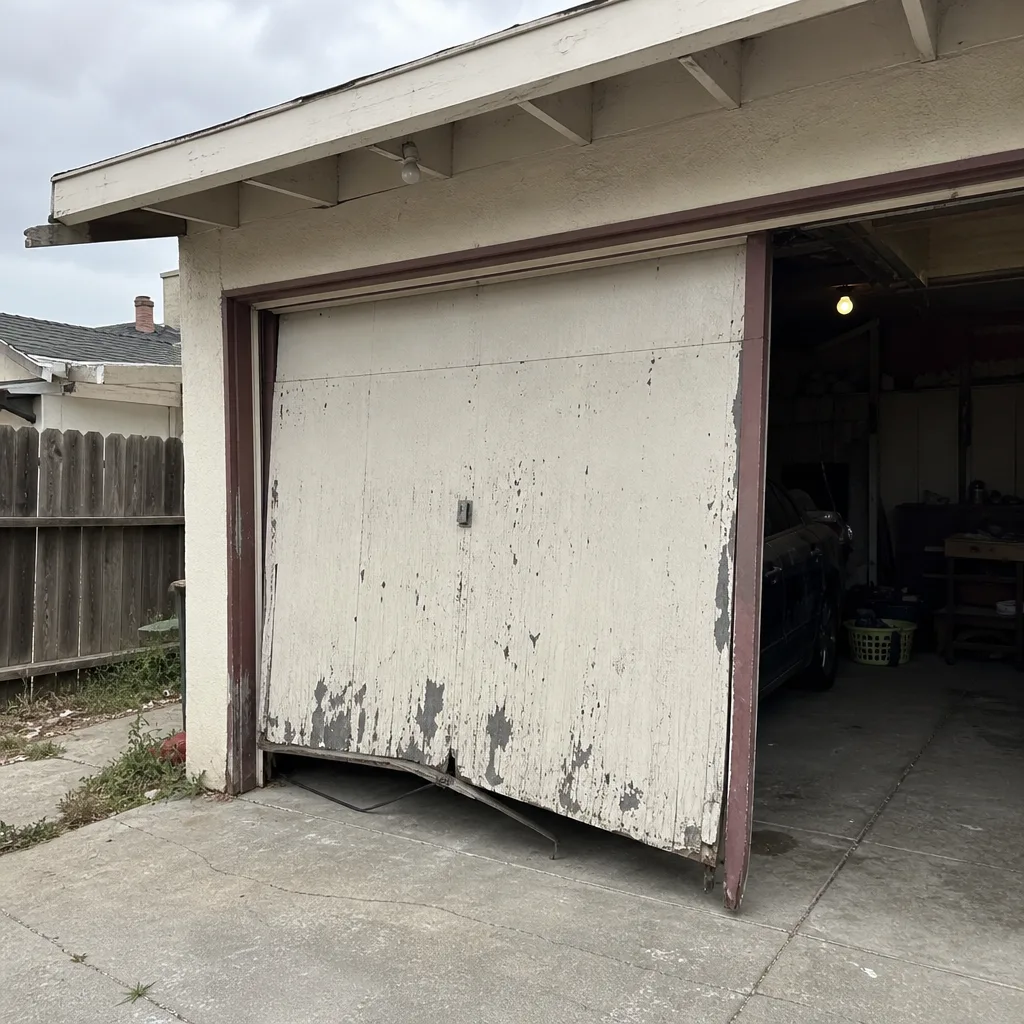 Before
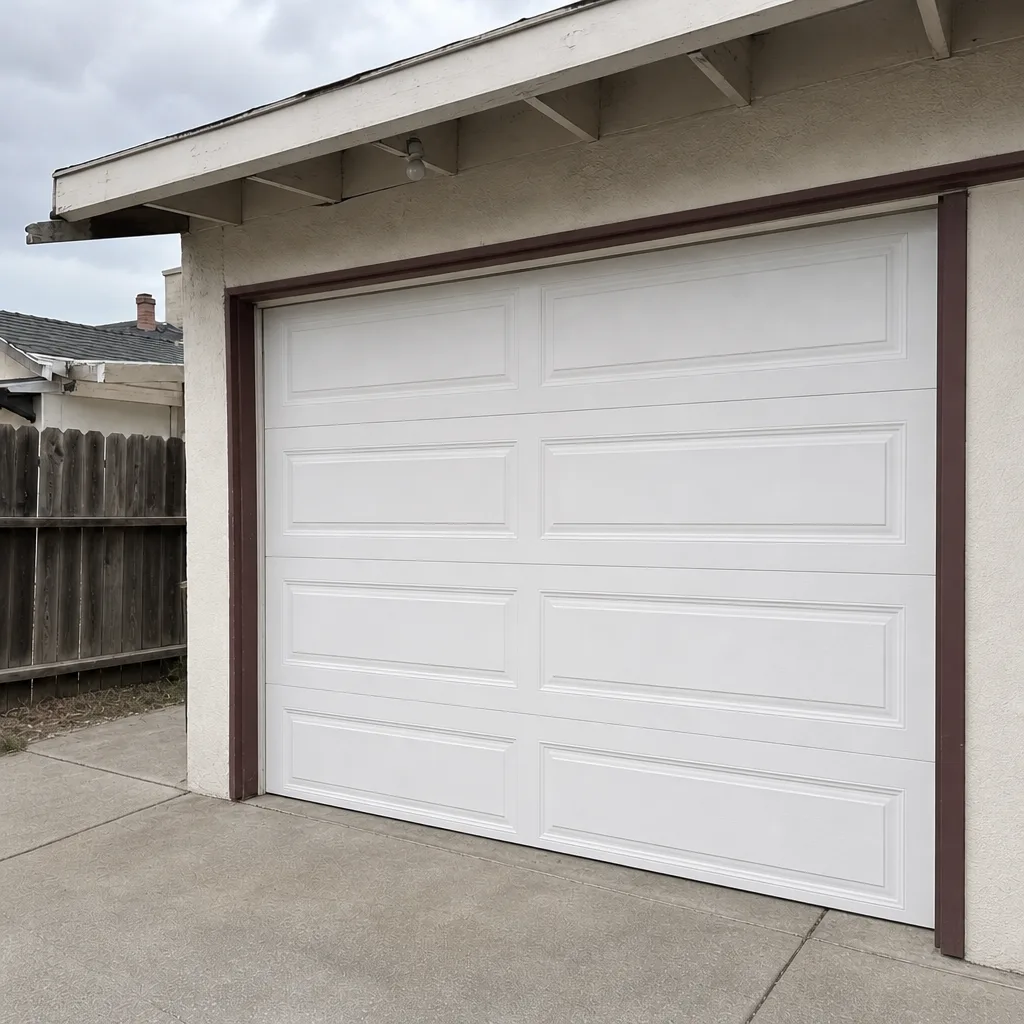 After
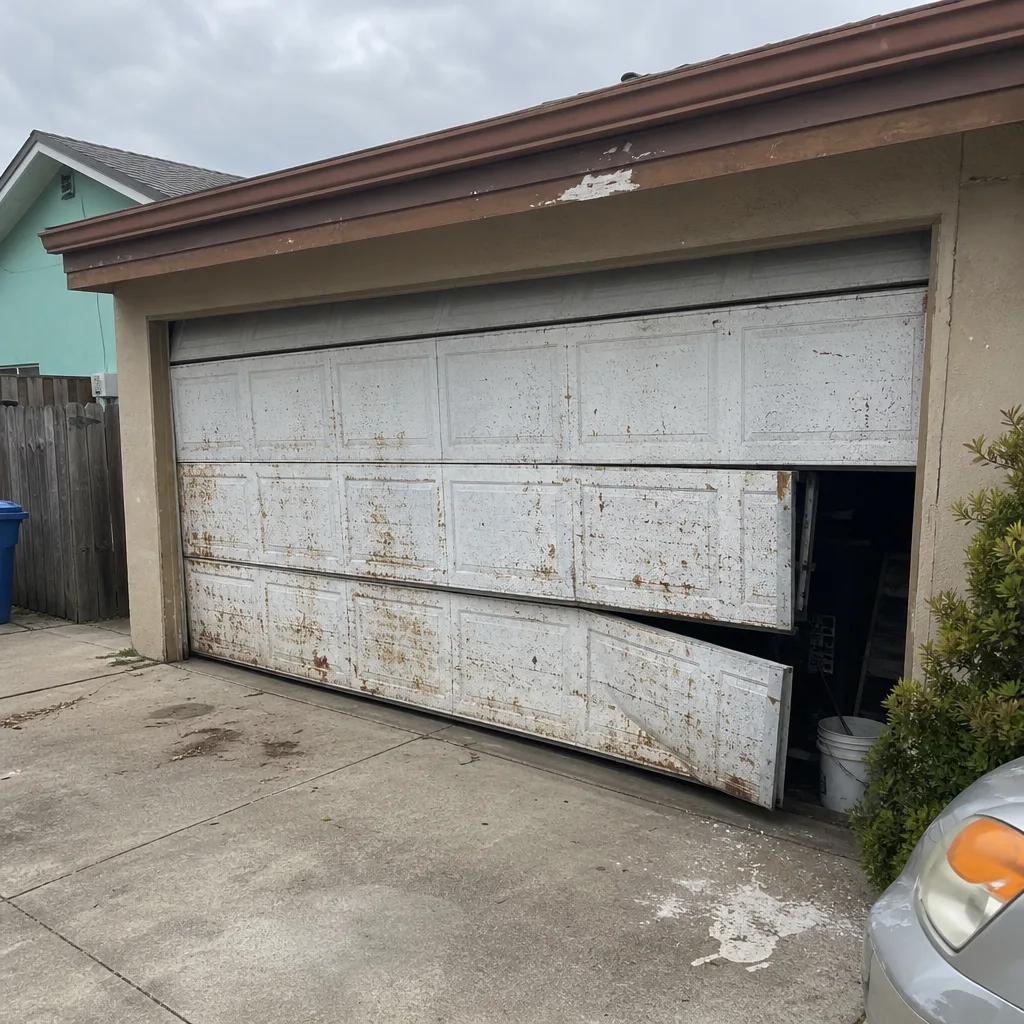 Before
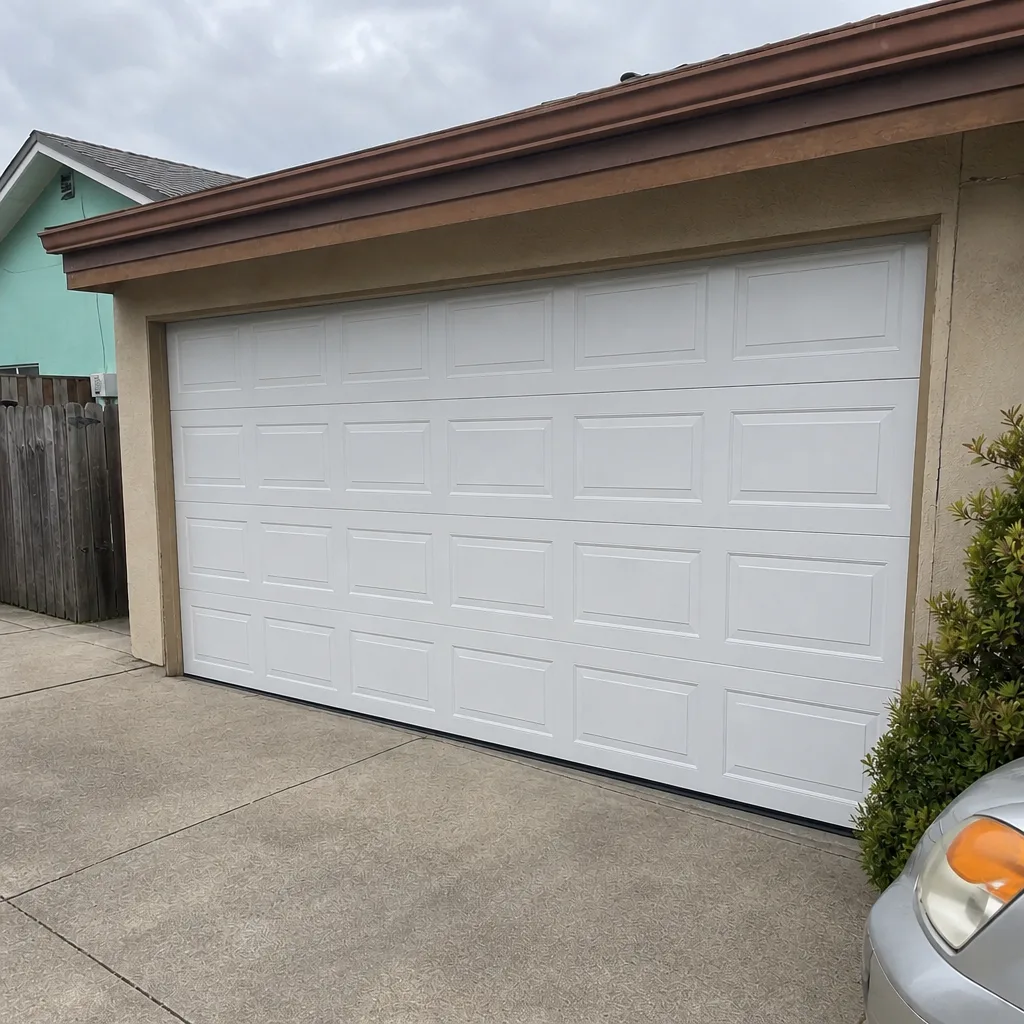 After
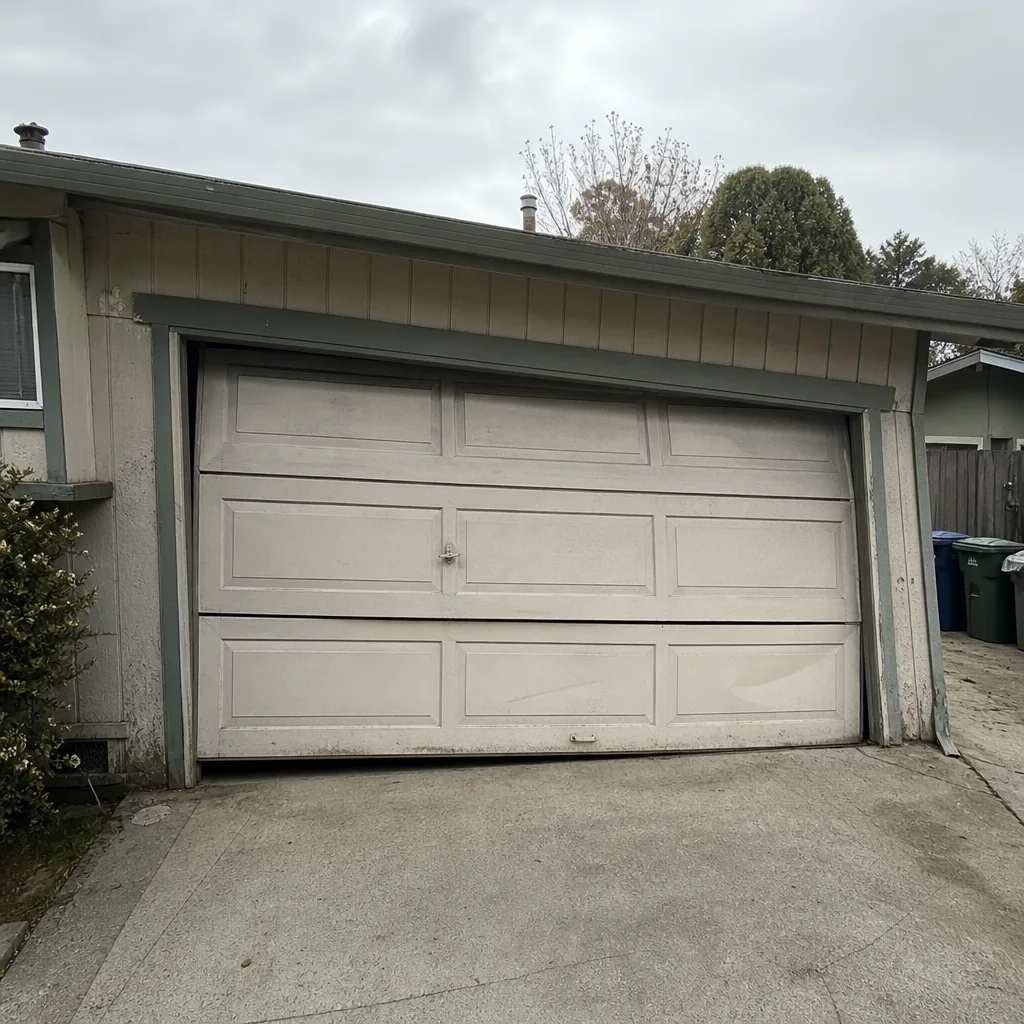 Before
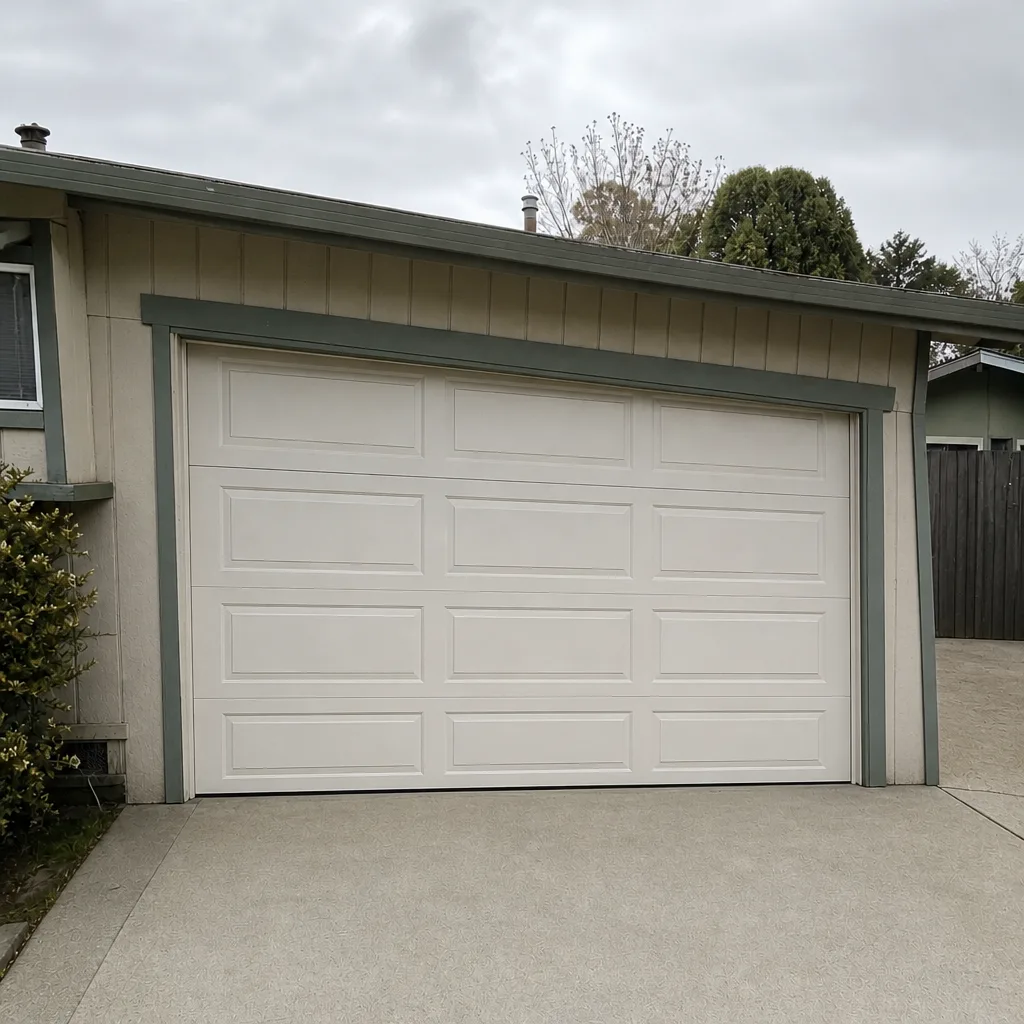 After
When to Call a Professional
If you’re not sure whether your Salinas garage door project needs a permit, that’s the moment to call. Spring and cable work are physically dangerous – high-tension springs under load can cause serious injury when handled without the right tools and training – and any project where the door’s size or efficiency is changing should be handled by someone who works with the city’s permit process routinely. The same goes for a door that’s failed inspection and needs a correction, or a sale where a buyer’s inspector has flagged unpermitted work. Fletcher Garage Door Repair offers free estimates in Salinas – call (844) 482-7563. We’ve been doing this work in Salinas since 2015, and we’ll tell you plainly whether your project needs a permit or not.
Frequently Asked Questions
Usually yes, if the replacement changes the door’s size, opening, or energy performance. A like-for-like replacement of the same door may be treated as maintenance by the City of Salinas, but that can vary by project scope, so confirm with the Building Department before ordering. Call (844) 482-7563 and we can tell you what we typically see for projects like yours.
No. Replacing a broken spring, cable, roller, or hinge is maintenance and doesn’t require a building permit anywhere in the state. It’s also the single most dangerous repair to attempt yourself – high-tension springs store enormous energy, and injuries from DIY spring work are common. That’s a job for a trained technician, not a homeowner with a winding bar.
Title 24 is California’s energy code, and it requires a new garage door to meet a minimum thermal performance standard based on its U-factor rating. That rating has to be documented on the spec sheet for the door you’re installing, and if your project is permitted, that documentation goes into the permit packet. A non-insulated door on a garage attached to living space won’t typically pass.
The buyer’s inspector will likely flag it, and California’s transfer disclosure rules require you to disclose known unpermitted work. In practice, that means a repair credit or a delay at closing, and often the seller pays for the retroactive permitting. Checking the city record before you list is the cheapest way to avoid the problem.
We’re closed Saturday. We’re open Sunday through Friday, 7am to 7pm, and free estimates are easy to schedule during that window. Call (844) 482-7563 and we’ll find a time that works for you.
Timelines vary by project complexity and the city’s current workload, so we don’t quote one. What we can say is that the inspection itself is typically quick – 15 to 30 minutes on site – and the delay is almost always upstream: plan check, permit issuance, and scheduling. The best way to shorten the timeline is to have complete documentation up front, including the door’s U-factor rating and the correct scope of work.
The Bottom Line
The rule that matters most: maintenance like springs and openers doesn’t need a permit in Salinas, but a full door replacement that changes anything about size, opening, or efficiency usually does. Title 24 documentation on the door’s U-factor is the piece most homeowners miss, and it’s the piece a Salinas inspector checks first. An unpermitted install doesn’t just sit quietly on the property – it surfaces at resale, at a buyer’s inspection, and often at closing. Pulling the permit, documenting the door, and closing the record is a small amount of effort now versus a complicated negotiation later. If you’re not sure which side of the line your project falls on, call us and we’ll tell you straight.
Ready to talk through your project? Call Fletcher Garage Door Repair at (844) 482-7563 for a free estimate on garage door work in Salinas. We answer 24/7. Fast dispatch from 7am to 7pm, Sunday through Friday. Closed Saturday.
Written by the team at Fletcher Garage Door Repair, serving Salinas since 2015.