
Last updated November 14, 2026
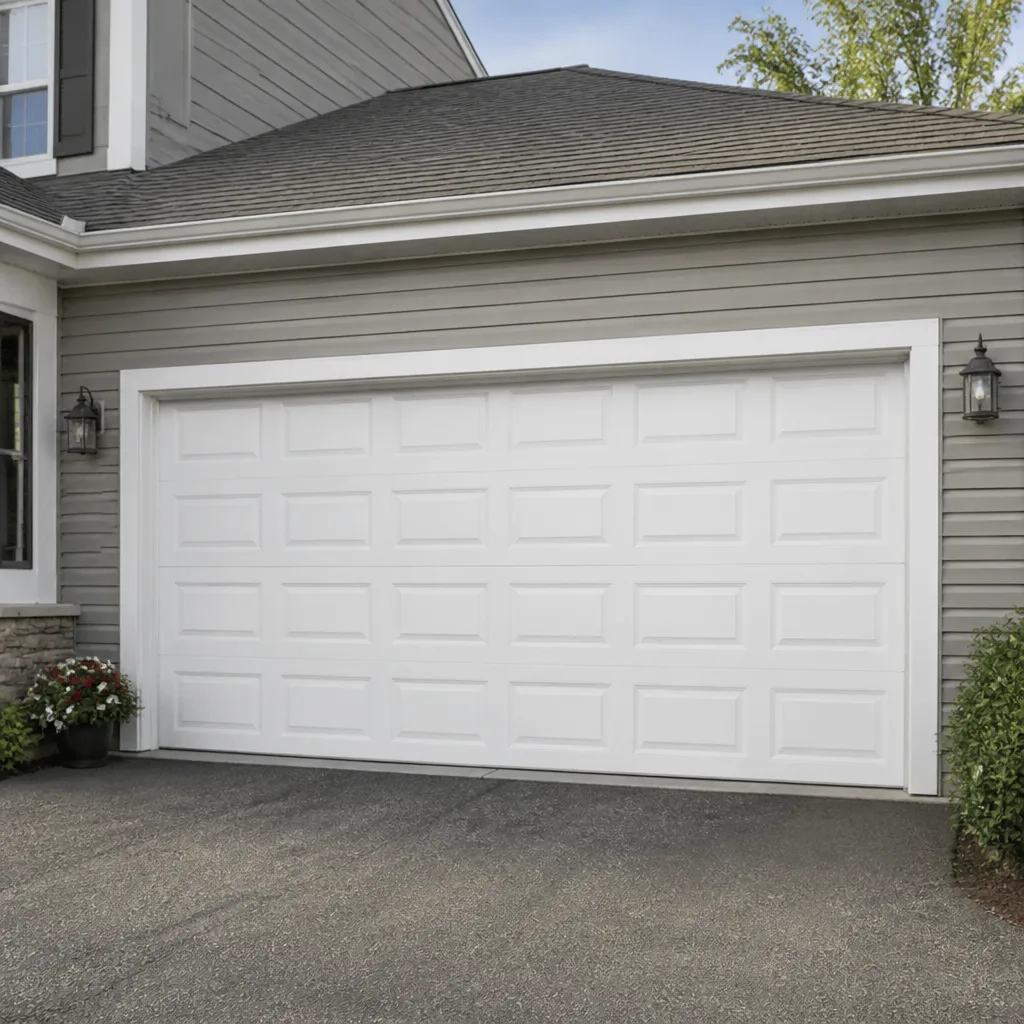 Raised-panel steel
 Carriage house
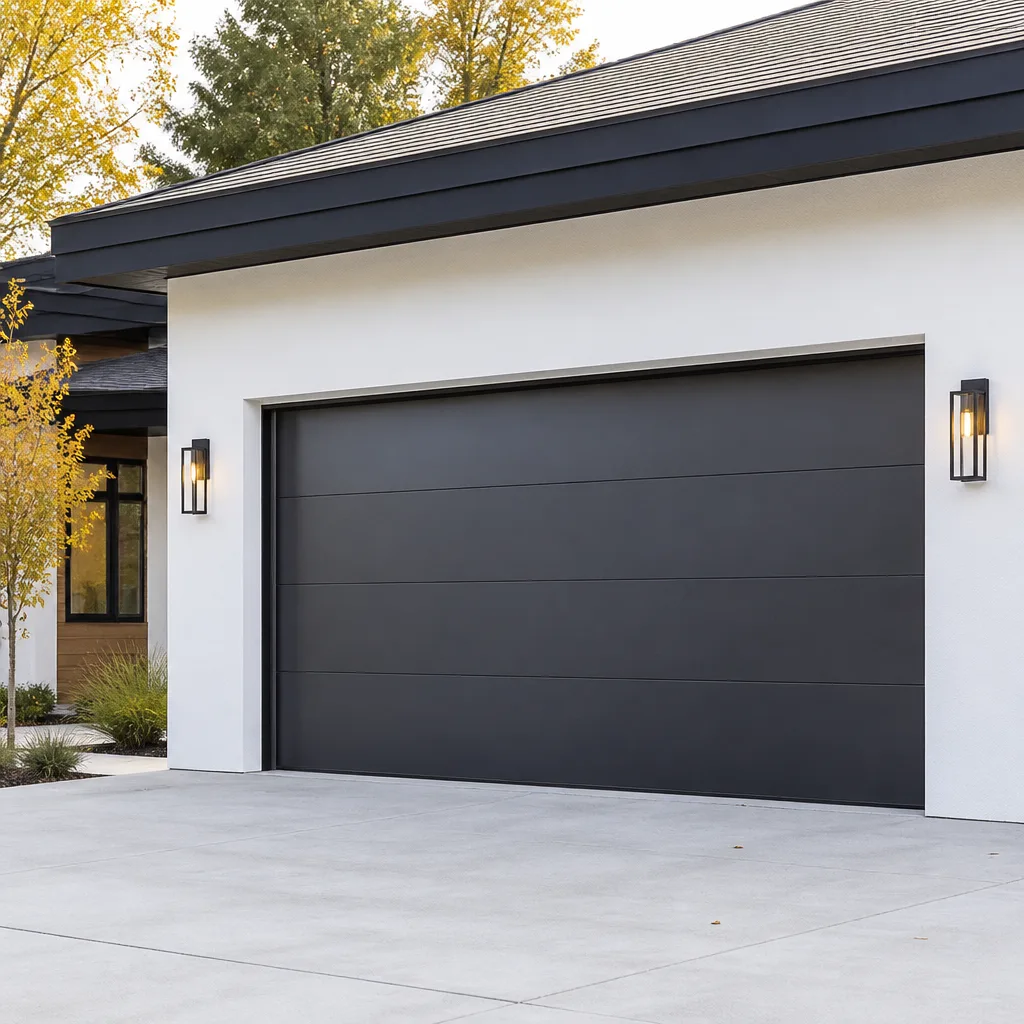 Modern flush
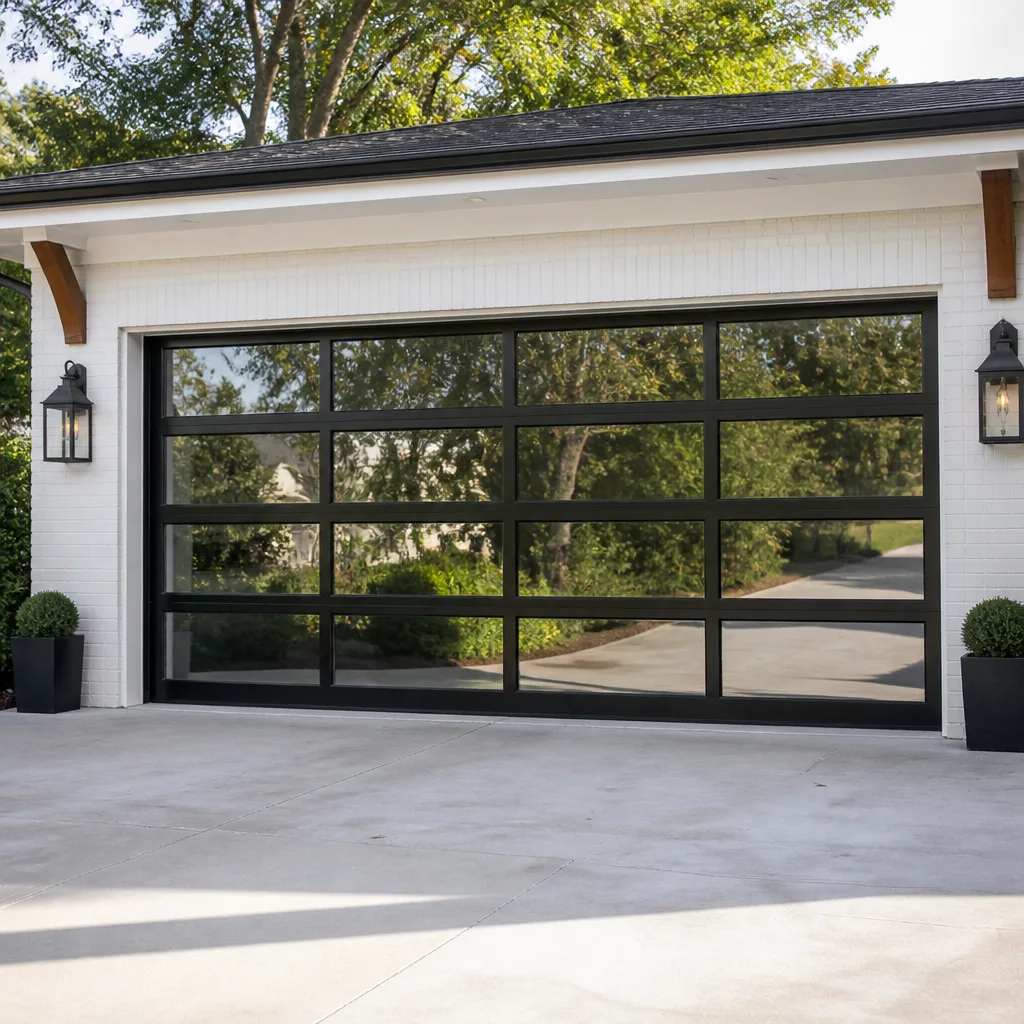 Full-view glass
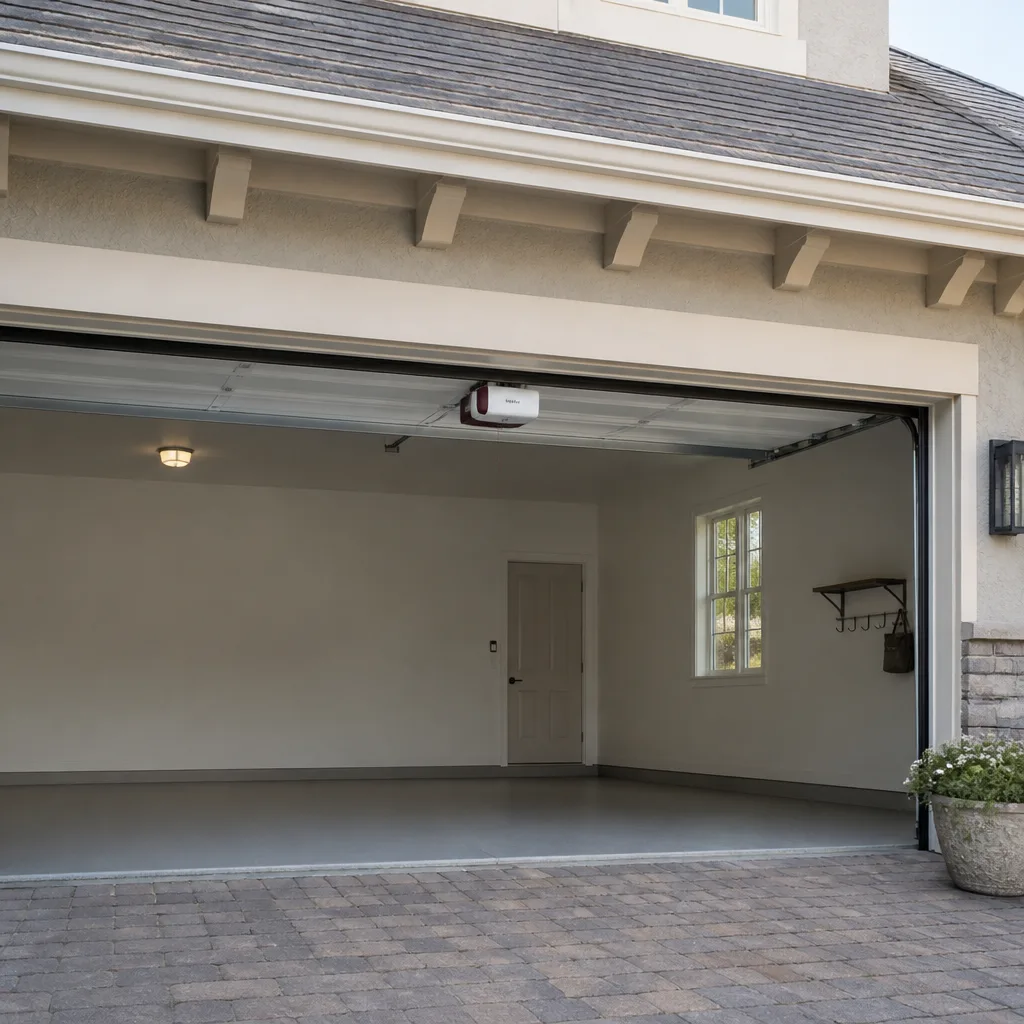 LiftMaster openers
 Chamberlain openers
Full 25-point door and opener safety check with every visit - springs, cables, rollers, tracks, and your LiftMaster or Chamberlain opener included
You get a price before we start. It does not change when the truck arrives.
Get your free estimateGarage Door Repair Maintenance Checklist for Salinas Homeowners
Most garage door maintenance advice floating around online was written for a climate that isn’t ours. It tells you to lubricate once a year, check for rust in spring, and call it done. That schedule makes sense in Ohio. In Salinas, where fog sits on the tracks in the morning and the afternoon sun bakes the same metal by two o’clock, the parts that fail first are not the ones on the generic checklist. We’ve spent 11 years working on doors across this valley, and the failure patterns here are consistent enough to build a real checklist around. This guide covers what actually breaks on Salinas doors, what you can safely handle yourself, and the three jobs that belong to a technician no matter how handy you are.
Quick Answer
The highest-value maintenance task for a Salinas garage door is lubricating the torsion spring assembly and rollers on a shorter cycle than the standard annual advice, because the moisture swings between Salinas mornings and afternoons accelerate corrosion on bare metal. Follow that with monthly visual checks of the weather stripping and a seasonal track alignment check, and leave spring, cable, and opener gear work to a technician. A door maintained on this schedule in Salinas avoids the expensive repairs that come from waiting for something to snap.
Styles & brands we work with
- Raised-panel steel
- Carriage house
- Modern flush
- Full-view glass
- LiftMaster openers
- Chamberlain openers
Table of Contents
- Why Generic Checklists Miss the Mark in Salinas
- The Salinas Lubrication Schedule for Springs and Rollers
- Inspecting Weather Stripping for the Salinas Warp Pattern
- Track Alignment and Seasonal Soil Movement in Monterey County
- What You Can Do Yourself vs. What Needs a Technician
- Brand-Specific Maintenance Quirks: LiftMaster, Chamberlain, Genie
- Your Monthly and Seasonal Salinas Maintenance Checklist
- Safety Rules Before You Touch Anything
Why Generic Checklists Miss the Mark in Salinas
A manufacturer’s maintenance PDF is written to cover every climate from Phoenix to Portland, which means it’s calibrated for none of them. The standard advice says lubricate moving parts once a year. In Salinas, that interval is too long for the spring assembly and too short for the hinges. The difference comes down to how this valley handles moisture.
Salinas sits in a coastal-influenced valley where fog burns off into warm, dry afternoons for much of the year. That daily cycle is the real enemy of garage door hardware. Metal expands in the afternoon heat and contracts overnight. Lubricant that was fine in a stable climate migrates, thins, or dries out faster here because the metal under it is constantly shifting temperature. Bare steel on a torsion spring or a cable drum doesn’t get a full year of protection from one application.
We’ve watched this play out on doors across Salinas for over a decade. The pattern is so consistent that it’s shaped how we approach every tune-up. A spring that looks fine in a dry inland climate can show surface corrosion here within months if it’s never been lubricated. That corrosion doesn’t just look bad. It changes how the spring coils and releases tension, and a torsion spring that fails is the loudest, most alarming thing that can happen to a garage door.
There’s a second local factor: soil. Much of Monterey County sits on ground that moves with the seasons as it swells and settles with moisture. That movement reaches your foundation and your garage slab, and it pulls on the door frame. Tracks that were perfectly plumb when installed can drift out of alignment over a couple of years without anyone touching them. The generic checklist treats track alignment as a “check occasionally” item. Here it deserves a schedule.
So this checklist is built from what we actually see fail on Salinas doors, not from a template. Below, each item gets a local interval and a clear explanation of why it matters.
The Salinas Lubrication Schedule for Springs and Rollers
Lubricate your torsion spring assembly and rollers every four to six months in Salinas, not once a year. The shorter cycle offsets the temperature swings and moisture that dry out lubricant faster here than the national average assumes. Skipping it is the single most common cause of the expensive repair we see on local doors.
Here’s why the interval matters so much. The torsion spring assembly is under constant tension. Every time the door opens and closes, the spring coils and uncoils a fraction. Without a film of lubricant, bare steel on steel grinds against itself with each cycle. Add morning dampness and afternoon heat and you get surface rust that turns into pitting. Pitted springs bind, and a bound spring can snap. That’s the “cable bomb” scenario nobody wants: a loaded spring releasing its stored energy all at once.
Rollers need the same attention for a different reason. The roller stems and bearings are small moving parts that collect grit. Salinas dust, pollen from the valley’s agricultural surroundings, and general grime work their way into the bearing races. A dry roller squeals, then flat-spots, then drags. You’ll hear the door getting louder before you feel the problem.
What to lubricate and how often
- Torsion springs and the center bearing plate: every four to six months. Use a lithium-based or silicone spray lubricant, not WD-40 as a standalone (it cleans but doesn’t lubricate long term).
- Roller stems and bearings: every four to six months. A few drops per roller, not a drench.
- Hinges: every six to eight months. These tolerate the climate better than springs.
- Track surfaces: wipe down and apply a light lubricant film every six months. Don’t grease the tracks; a dry film is better because grease traps grit.
- Opener rail and chain: follow the manufacturer’s interval, but check it every six months for dry or slack links.
One caution before you grab the can: applying lubricant safely means the door is fully closed and the opener is disconnected from power. Never reach into the path of a spring assembly while the door is up. The energy stored in a wound torsion spring is enormous, and it deserves respect even during routine lubrication. If you’re not sure of the state of your springs, that’s a job to hand to a technician. Our garage door repair team checks the full spring and cable assembly as part of any tune-up, which is a good time to get a professional read on hardware you can’t safely assess yourself.
Inspecting Weather Stripping for the Salinas Warp Pattern
Salinas weather stripping fails in a specific pattern: it warps from the inside edge outward, curling away from the door first and pulling loose from the frame last. That’s the opposite of the cold-climate failure most guides describe, and it comes from the daily cold-morning, warm-afternoon swing.
Here’s the mechanism. The flexible seal on the bottom of your door and the foam or vinyl strips along the sides and top are made of materials that expand when warm and contract when cool. On a stable-temperature day they hold their shape. In Salinas, they go through that cycle daily. The material at the edge is thinner and loses its memory first, so it starts curling. Once it curls, it never fully seats against the door or frame again, and a gap opens.
That gap matters more than it sounds. It’s an entry point for bugs, moisture, and the occasional field mouse making its way in from the valley. It also changes how the door seats. A door that used to close flush starts to thump or rock because the seal is no longer even all the way around.
How to inspect your weather stripping
- Close the door fully and stand outside.
- Look along the bottom seal for daylight showing under the door. A sliver is fine; a gap you can see light through is not.
- Run your hand along the side and top strips, feeling for soft spots, brittleness, or sections that have pulled away from the frame.
- Check the inside edge for curling first, since that’s where the Salinas pattern starts.
- Look for tears or chunks missing.
- Note anything that feels loose or looks curled, and check again in a month to see if it’s getting worse.
This is a job most homeowners can do in five minutes with no tools. Replacing the stripping is also within reach for a confident DIYer on a bottom seal, but anything involving the door’s perimeter or a strip that’s glued and tucked under the trim is fiddly enough to be worth a professional visit. The right stripping materials matter too, and we match replacements to the door’s brand where it counts, whether that’s a garage door opener repair call or a full tune-up.
Track Alignment and Seasonal Soil Movement in Monterey County
Check your track alignment twice a year in Salinas, ideally in late spring and late fall, because the ground under much of Monterey County swells and settles with seasonal moisture. Tracks that were plumb when installed can drift a quarter inch or more over a couple of seasons without anyone bumping them.
When tracks go out of alignment, the symptoms show up in the door’s behavior before you see anything wrong with the tracks themselves. The door might hesitate, rock side to side, or make a scraping sound on one side. The rollers ride in the tracks, and if the two vertical tracks aren’t parallel or the horizontal tracks aren’t level, the door fights them on every cycle. That extra resistance wears out rollers, strains the opener, and can eventually bind the door.
Soil movement isn’t the only cause. Salinas homes also settle as their slabs cure and as drought-and-wet cycles work the ground. A garage that was built level can develop a slight tilt to the slab over years. The tracks follow the slab.
What a track check involves
- Look at both vertical tracks from a low angle to see if they’re parallel. A bulge or inward lean is a red flag.
- Look at the gap between the door and the tracks on each side. The gap should be even. If it’s tighter on one side, the tracks have shifted.
- Listen on every cycle. A steady scrape on one side points to a track issue.
- Check that the bolts holding the tracks to the frame are snug. They shouldn’t be loose enough to rattle but shouldn’t be torqued so hard they crack.
Track adjustment is a job we recommend leaving to a technician. Getting a track perfectly plumb and square is a matter of small, measured adjustments, and the door needs to be disconnected from the opener and secured while you work. A door can come off its tracks if the alignment is off, which is a genuine hazard. Our team handles this on every tune-up, and it’s one of the reasons a twice-yearly professional check pays for itself.
What You Can Do Yourself vs. What Needs a Technician
Most garage door maintenance is genuinely within a homeowner’s reach. A few tasks are not, no matter how confident you are with tools, because the parts involved store enough energy to injure or kill. Knowing which is which is the most important thing on this whole checklist.
Safe for a homeowner
- Lubricating springs, rollers, hinges, and tracks (door closed, opener unplugged).
- Visual inspection of weather stripping and seals.
- Testing the safety reverse feature: put a small object in the door’s path, close the door, and confirm it reverses on contact.
- Checking the photo-eye sensors on either side of the door, wiping them clean, and confirming the door won’t close when the beam is broken.
- Tightening the bolts on the door’s hinges and the bolts holding the tracks to the frame.
- Cleaning the tracks and wiping down the door panels.
- Replacing a worn bottom seal on most residential doors.
- Testing and replacing the opener’s battery backup unit if your model has one.
Needs a technician regardless of skill
- Torsion spring work. The spring is under hundreds of pounds of tension. Even touching it in the wrong sequence can cause a serious injury. This includes adjusting, replacing, or rewinding a spring.
- Cable work. Cables are under tension whenever the door is down. A cable that slips or snaps can cut. Adjusting, re-terminating, or replacing a cable is not a homeowner job.
- Opener gear and circuit work. Openers mix mechanical and electrical systems. If the motor, gear, logic board, or travel limits need work, that’s a technician’s task. Modern openers also add smart-home and battery-backup complexity that’s easy to misdiagnose.
We’ve made this point before and we’ll keep making it: the parts that cause serious injury on a garage door are exactly the parts that live under tension. Respect the spring and cable, and call someone who has the tools and experience to work with them safely.
Brand-Specific Maintenance Quirks: LiftMaster, Chamberlain, Genie
The openers most common in Salinas garages have maintenance quirks the generic checklists don’t mention. We work on all three of these brands constantly, so these are the patterns we’ve come to expect.
LiftMaster
LiftMaster’s MyQ smart-home system is the brand’s big differentiator, and the quirk is that MyQ connectivity issues almost always look like door problems. A door that “won’t open from the app” or “closes on its own” is often a connectivity or firmware issue, not a mechanical one. The other LiftMaster-specific maintenance note is battery backup: many models have a backup battery in the motor head, and that battery needs checking for charge and replacing when it stops holding. If the door works from the wall button but not the remote, start with the safety sensors before assuming a mechanical failure.
Chamberlain
Chamberlain shares much of its engineering with LiftMaster, so the safety-sensor and battery-backup advice carries over. The Chamberlain-specific quirk is its travel-limit programming. Chamberlain openers set their open and close limits with an electronic programming sequence, and those limits can drift over time, especially after a power interruption. A door that starts stalling halfway down is often a limit problem, not a door problem. If your Chamberlain is behaving oddly after a storm knocked the power out, check the limits before you call anyone.
Genie
Genie’s older screw-drive and chain-drive openers are common in Salinas garages, and the quirk here is the drive system’s lubricant. Screw-drive Genie units need periodic lubrication on the screw itself, and a dry screw gets loud fast. Genie’s chain-drive units tend to develop slack in the chain that, if it goes unaddressed, causes the door to lag on the way up. If your Genie sounds like it’s working harder than it used to, that’s often a drive-system maintenance issue rather than a motor issue. Genie’s newer models also carry smart-home features that behave like the other brands: check connectivity before assuming hardware.
Beyond openers, the door brands most common on Salinas homes also have their own quirks. Fletcher Garage Door Repair works with Clopay, Amarr, Wayne Dalton, and Raynor doors whose panel and hardware anchors differ in small ways that affect how they wear. Repairing the right brand with the right approach matters for getting the door back to smooth operation.
Your Monthly and Seasonal Salinas Maintenance Checklist
Here’s the whole schedule in one place. A calendar reminder for the first of each month plus two seasonal deep checks will cover everything in this guide.
Monthly (five minutes)
- Test the door’s safety reverse feature by putting an object in its path and closing it.
- Wipe the photo-eye sensors on both sides of the door and confirm the beam is unobstructed.
- Look at the bottom seal for daylight or curled edges.
- Listen on a full open-close cycle for new noises: grinding, scraping, squealing, or rocking.
- Feel the door as it moves to check for shudder or hesitation.
Every four to six months
- Lubricate the torsion spring assembly, roller stems, and hinges.
- Wipe the tracks and apply a light dry film.
- Check the roller condition: flat spots, cracked wheels, or wobbling stems mean replace.
- Inspect weather stripping around the full perimeter and replace anything that’s curled or torn.
- Check the opener’s drive system (chain, belt, or screw) for slack and lubrication.
Twice a year (late spring and late fall)
- Check track alignment and the evenness of the gap on each side of the door.
- Inspect the spring assembly for rust or corrosion.
- Test the opener’s balance by disconnecting it and lifting the door halfway. A door that won’t hold position needs a spring adjustment from a technician.
- Check the bolts on the door’s hinges and tracks.
If you run this checklist in Salinas, your door should stay quiet and reliable through the season. If something on the list shows a red flag, the next section is for you.
Safety Rules Before You Touch Anything
Before any maintenance on a garage door, close it completely and disconnect the opener from power. That’s the baseline, and it isn’t negotiable. The door and its hardware store energy even when they look still.
The springs and cables are the danger zones. Never put your fingers or tools anywhere near a wound torsion spring or a tensioned cable, even for a visual inspection. Look from a distance, and if you can’t see safely, that’s the point to call a technician. Springs, cables, and opener gear work belong to a trained professional, and a door that is fully closed with the power off is the only safe working position for the rest of the checklist.
A couple more rules worth repeating: don’t stand directly under the door while testing it, and don’t let anyone else (including kids or pets) stand in the door’s path. If a bolt won’t tighten, don’t force it; a stripped bolt is a bigger problem than a loose one. And if your door has ever come off its tracks, stopped midway, or shown an uneven gap, stop and get it looked at before running any of the checks above.
Common Mistakes to Avoid
- Following the annual lubrication advice. In Salinas, the four-to-six-month cycle is what keeps springs and rollers from corroding. Once a year is too long for the climate swing this valley gives you.
- Using WD-40 as a long-term lubricant. It displaces moisture and cleans, but it doesn’t leave a lasting film. Springs and rollers need a lithium or silicone lubricant for the friction they see.
- Greasing the tracks. Grease in the tracks collects grit from Salinas dust and agricultural pollen, and that turns into a grinding wheel. Use a dry film instead.
- Winding a torsion spring yourself. This is the mistake that sends people to the emergency room. Springs are a professional-only job, without exception.
- Blaming the opener for a door problem. A door that’s hard to open strains the opener. Before you replace the opener, confirm the door balances when disconnected. Most “opener problems” in our experience are actually door, track, or spring issues.
- Ignoring weather stripping for months. The Salinas warp pattern starts on the inner edge and pulls loose over time. A monthly glance catches it before it’s a bigger gap.
- Assuming track problems are permanent. Drifting tracks from soil movement are correctable with the right adjustment. Don’t replace hardware that just needs a technician’s alignment.
- Skipping the twice-yearly track and spring inspection. The items that fail without warning are the ones that get checked. The twice-yearly look is what gives you a warning.
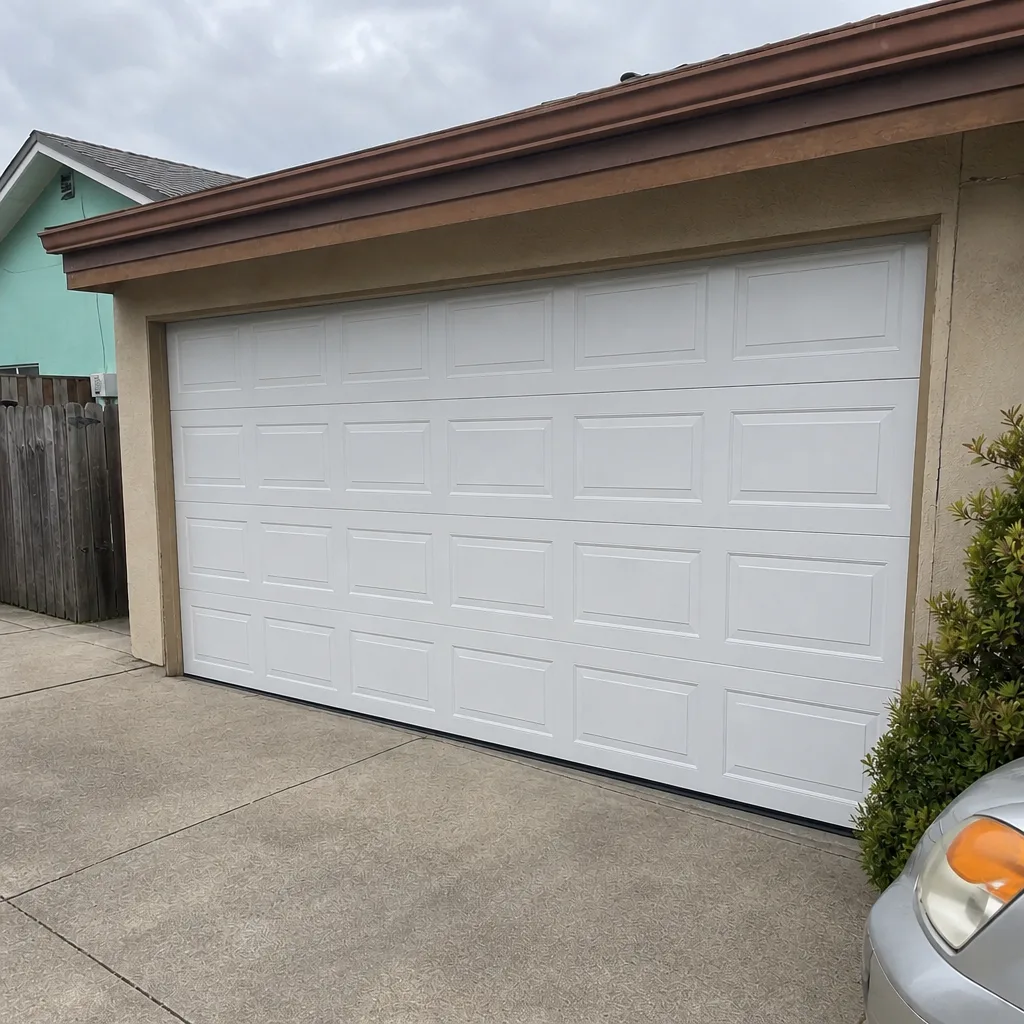
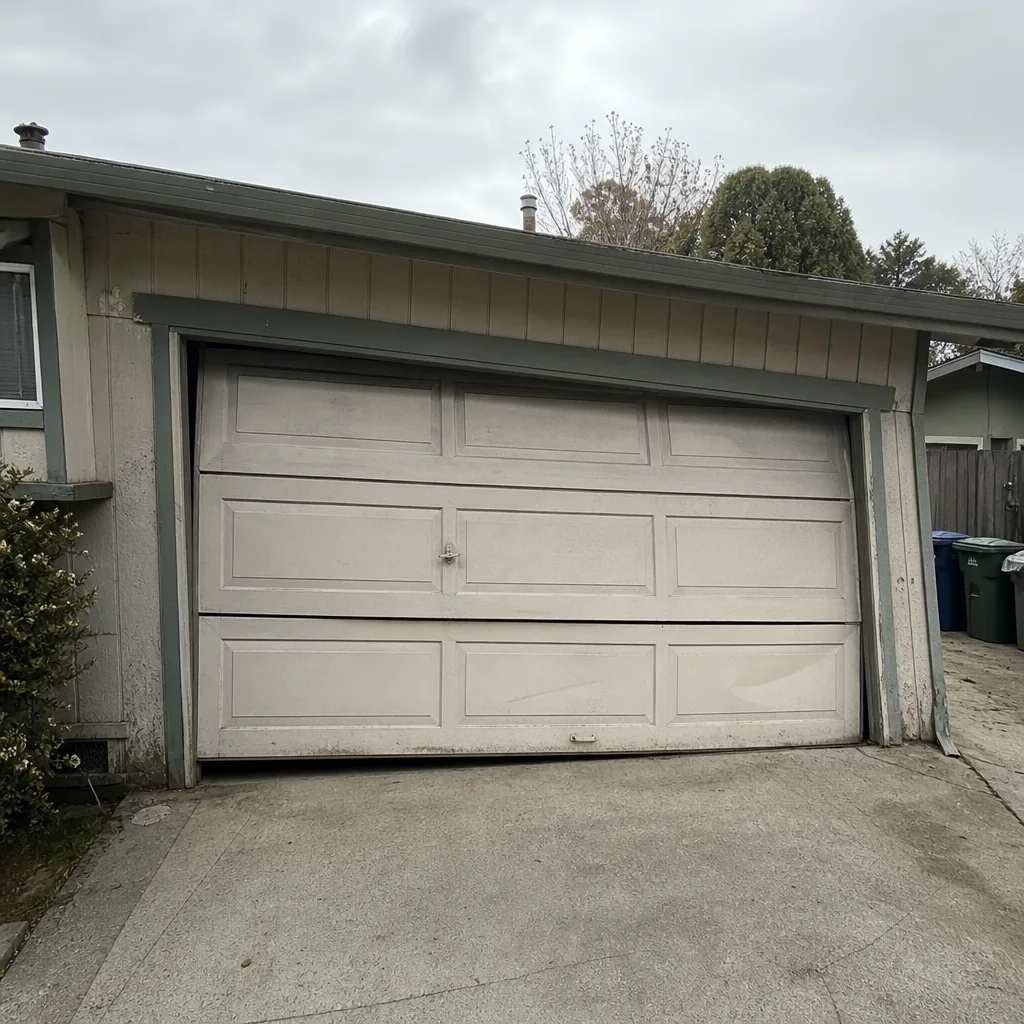
See the difference
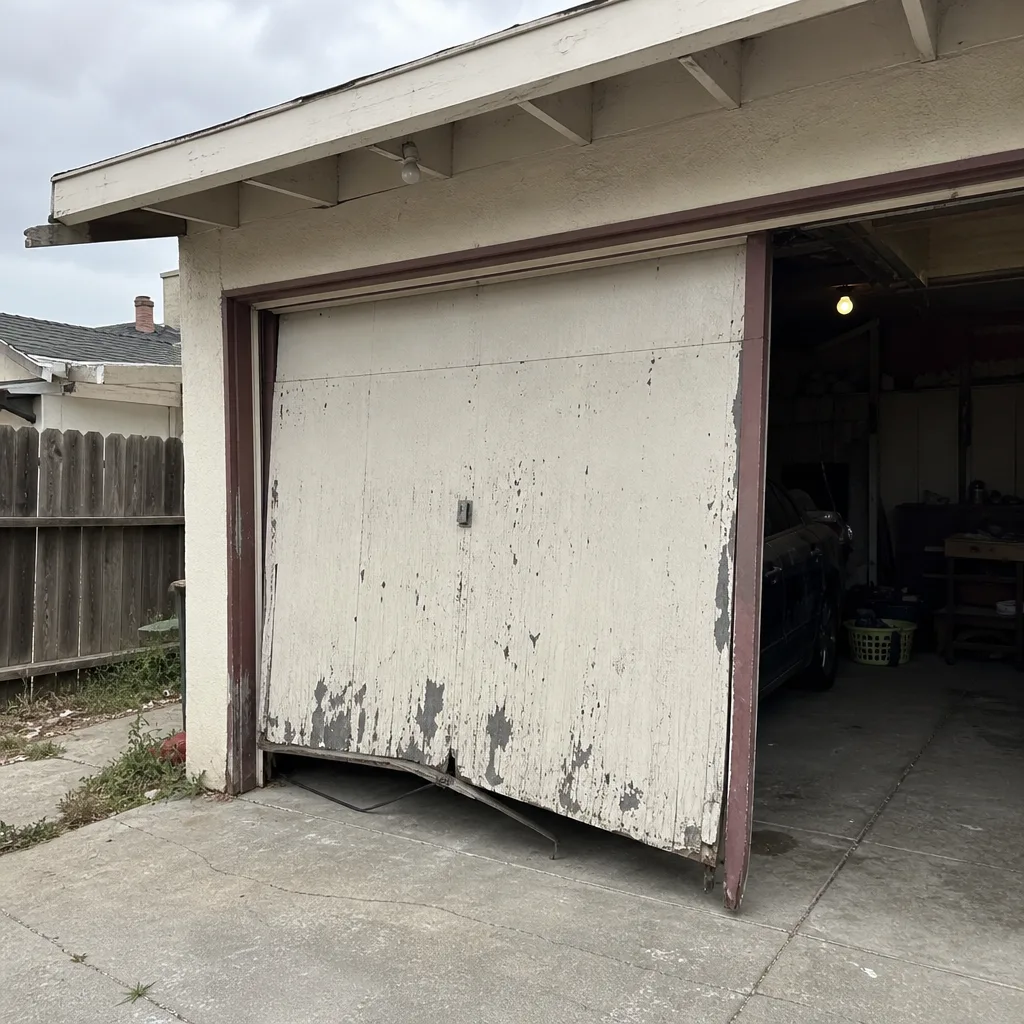 Before
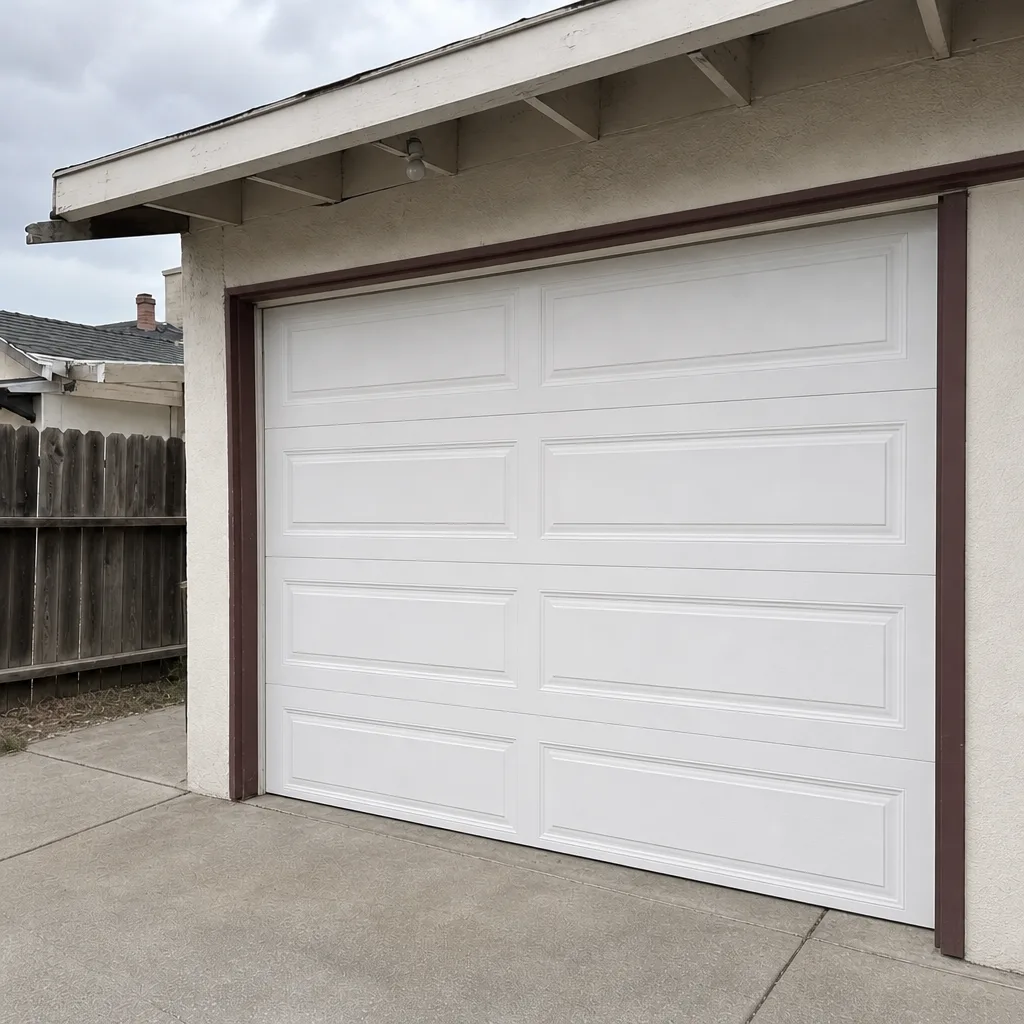 After
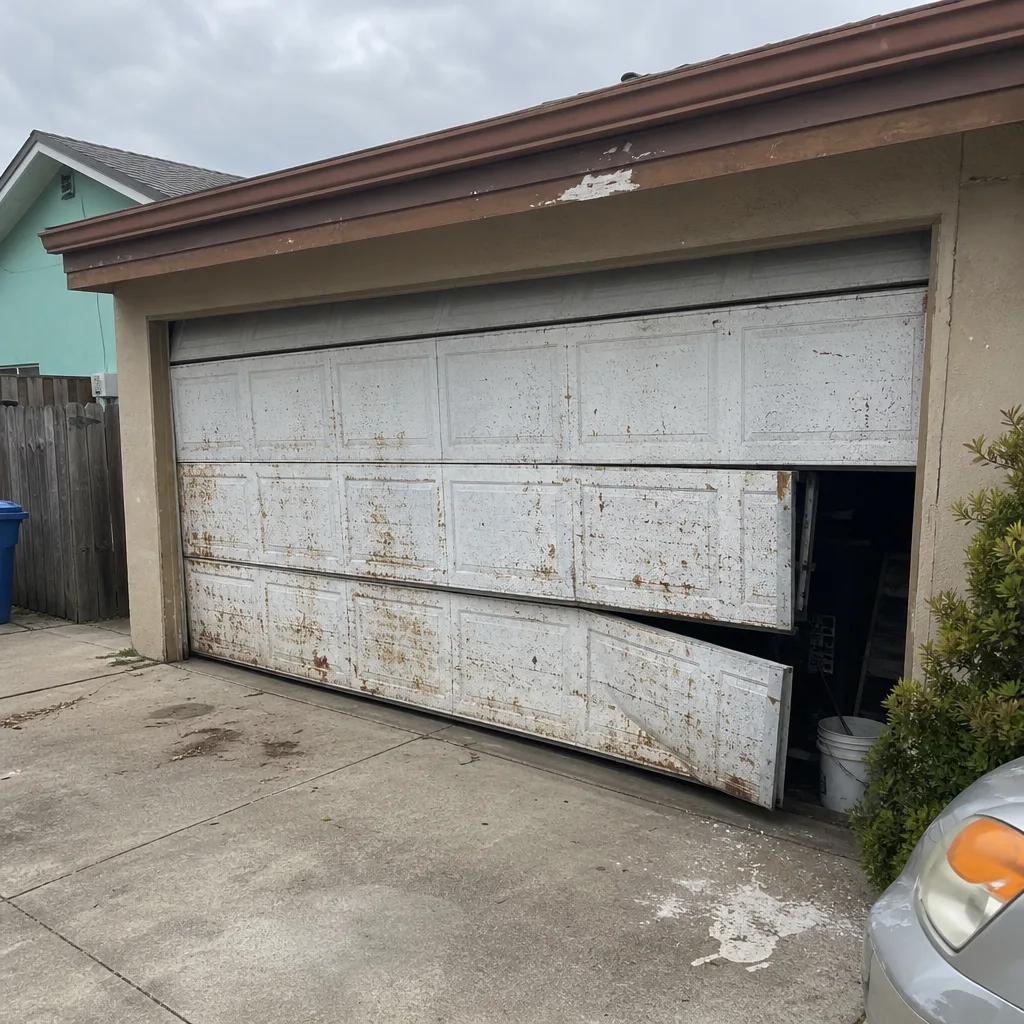 Before
 After
 Before
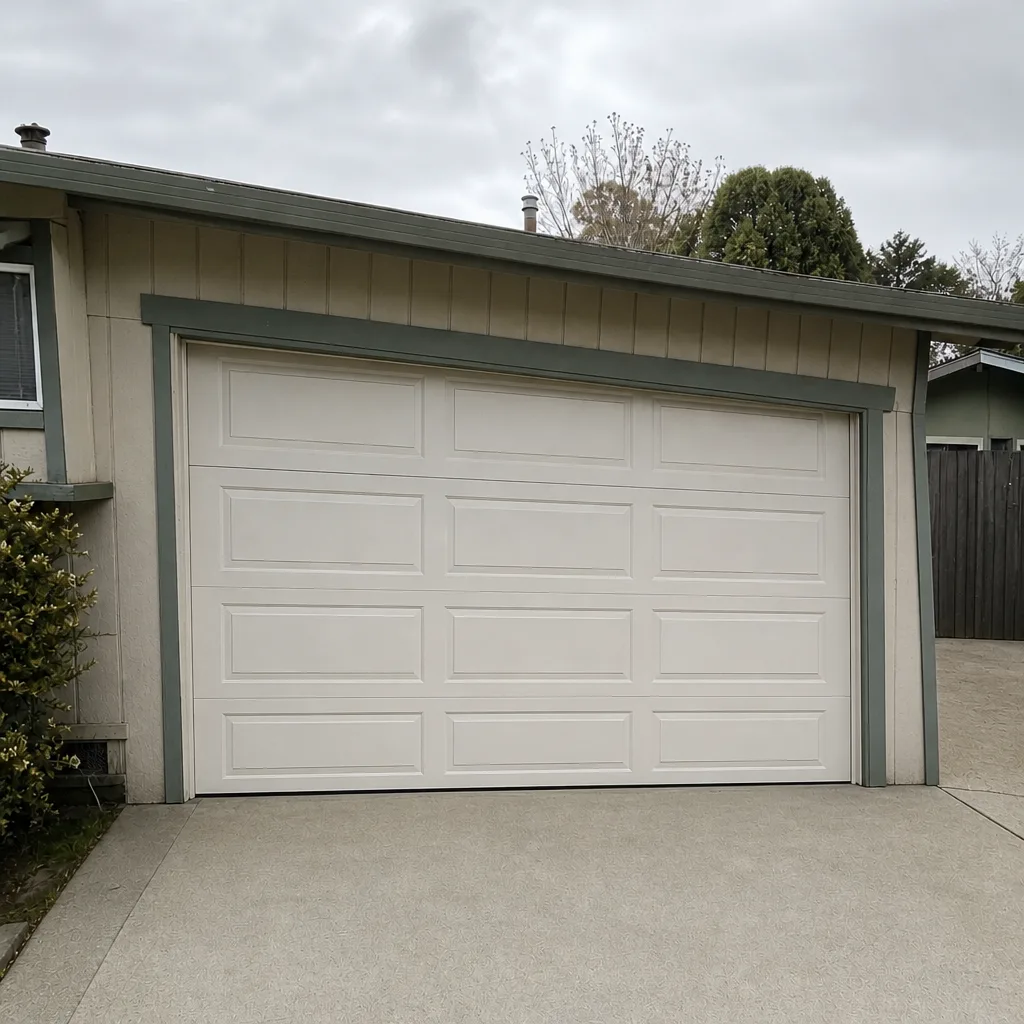 After
When to Call a Professional
Call a professional any time the job involves a torsion spring, a cable, or opener gear and electronics. Those are the three jobs where a homeowner’s risk outweighs any cost savings. Also call if your door has come off its tracks, stopped midway through a cycle, developed an uneven gap against the frame, or become noticeably harder to lift. Those symptoms point to problems that need a trained eye. And if your opener is making noise, sending error codes, or behaving oddly with smart-home controls, opener repair is a specialized task. We work on LiftMaster, Chamberlain, Genie, Clopay, Amarr, Wayne Dalton, Craftsman, and Raynor equipment, and we bring the right tool for the right brand. Fletcher Garage Door Repair offers free estimates in Salinas. Call (844) 482-7563. We answer 24/7. Fast dispatch from 7am to 7pm, Sunday through Friday.
Frequently Asked Questions
Every four to six months. The Salinas temperature swing between cool mornings and warm afternoons dries out lubricant faster than the standard annual advice assumes, and a bare torsion spring can show surface corrosion within months. Skipping it is the most common cause of an expensive spring replacement. Call (844) 482-7563 for an exact quote on a tune-up. Estimates are free.
No. Track adjustment requires the door to be disconnected from the opener and secured, and getting a track perfectly plumb and square takes measured small adjustments. A door can come off its tracks during the process, which is a real hazard. Leave this to a technician and have it checked twice a year in Monterey County, where seasonal soil movement causes tracks to drift.
Because of the daily cold-morning, warm-afternoon cycle that’s part of living here. The flexible seal expands warm and contracts cool every single day, and the inner edge loses its memory first, curling away from the door. That’s the opposite of the cold-climate failure pattern most guides describe. Check the inner edge first on your monthly inspection.
Usually not. LiftMaster’s MyQ system is a smart-home layer that sits on top of the mechanical door, and connectivity or firmware issues can look exactly like a door problem. If the wall button still works, the door’s hardware is probably fine. If the wall button doesn’t work either, it’s likely a safety sensor or mechanical issue. Call (844) 482-7563 and we’ll diagnose it without guessing.
Lubricating the torsion spring assembly. Springs are up out of sight on the header, they don’t squeak the way rollers do, and they don’t show wear until they fail. A spring that never gets lubricated corrodes in this climate, and a corroded spring is the loudest, most expensive failure a door can have. It’s the top item on our checklist for a reason.
We service all the major residential brands: LiftMaster, Chamberlain, Genie, Clopay, Amarr, Wayne Dalton, Craftsman, and Raynor. We’re brand-agnostic, which means our recommendations come from what your door needs, not from a dealer incentive. Chamberlain travel limits, Genie screw-drive lubrication, and LiftMaster battery backup all get the same hands-on attention. Call (844) 482-7563 for an exact quote.
The Bottom Line
A maintenance checklist for Salinas has to be built for Salinas. The four-to-six-month lubrication schedule, the inner-edge weather-stripping check, and the twice-yearly track alignment inspection are the three items that make the biggest difference in this valley’s climate and soil. Skip the annual generic advice and follow the local intervals. Do the safe tasks yourself, and hand the springs, cables, and opener gear to a technician. Stay on this schedule and you’ll avoid the most common repairs we see on local doors. Fall off it and the door will find a way to tell you. If you’d rather have a technician do the full check, call Fletcher Garage Door Repair at (844) 482-7563. We answer 24/7. Fast dispatch from 7am to 7pm, Sunday through Friday.
Written by the team at Fletcher Garage Door Repair, serving Salinas since 2015.