
Last updated November 14, 2026
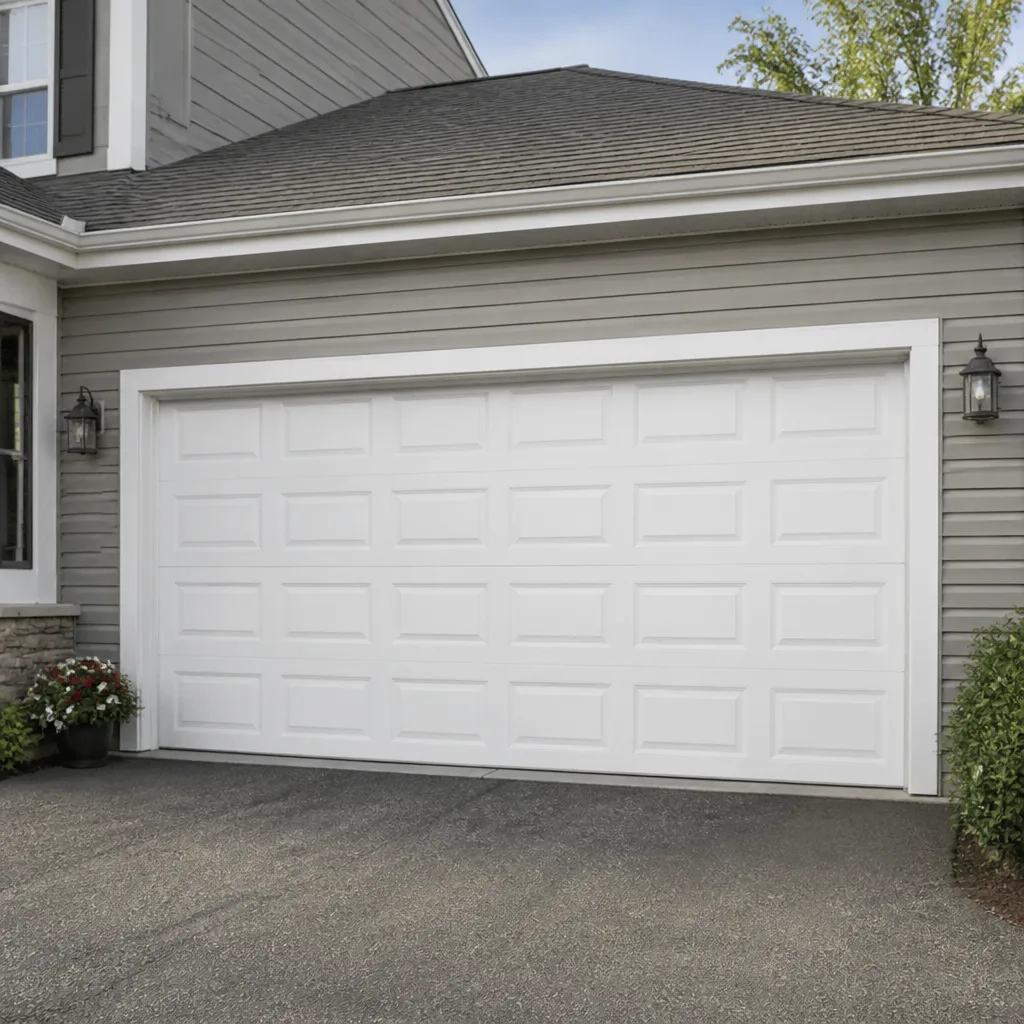 Raised-panel steel
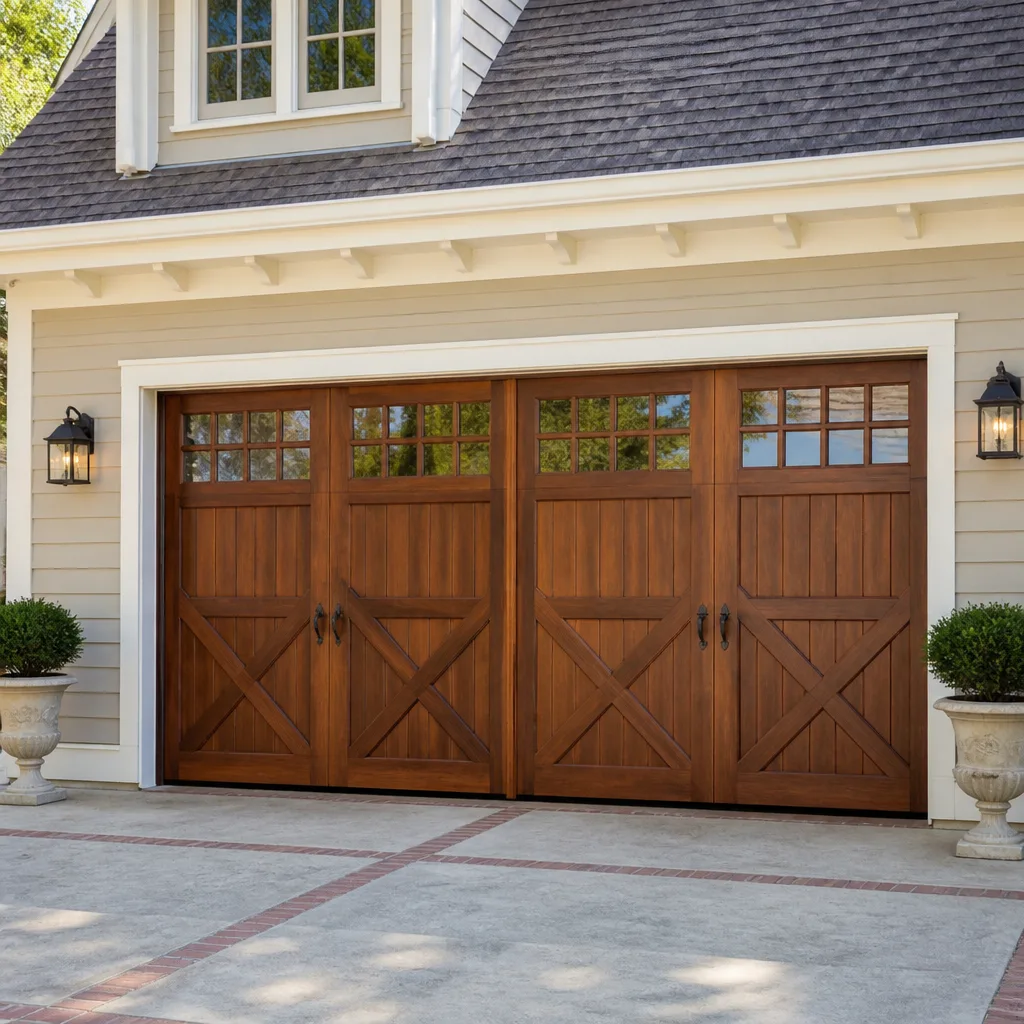 Carriage house
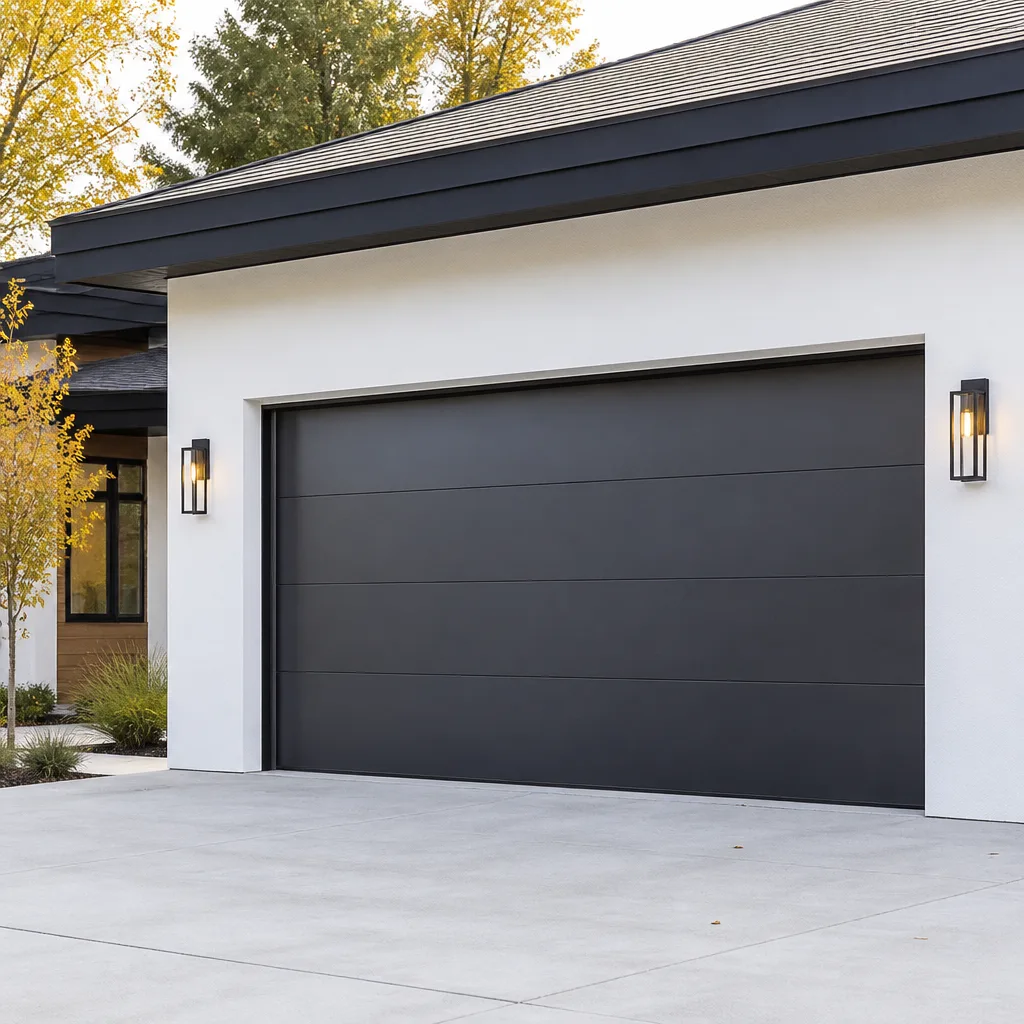 Modern flush
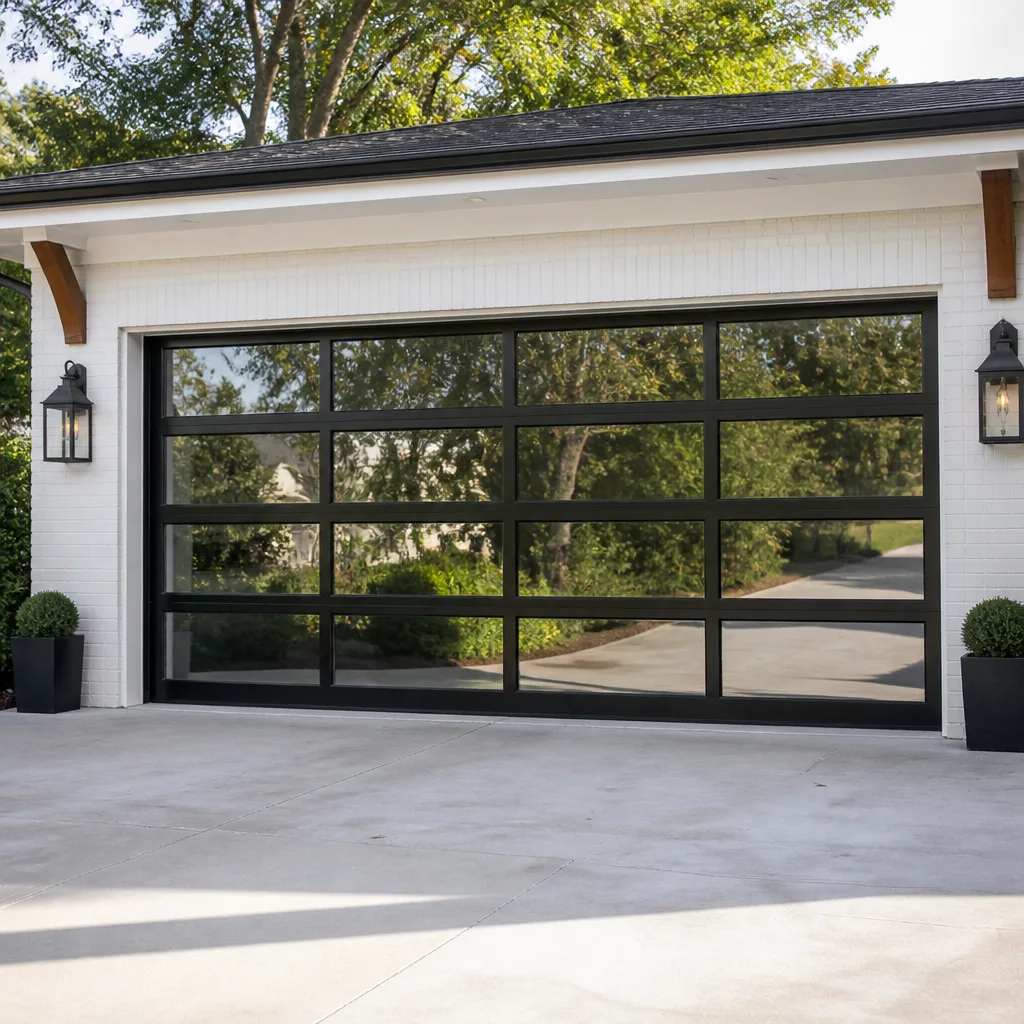 Full-view glass
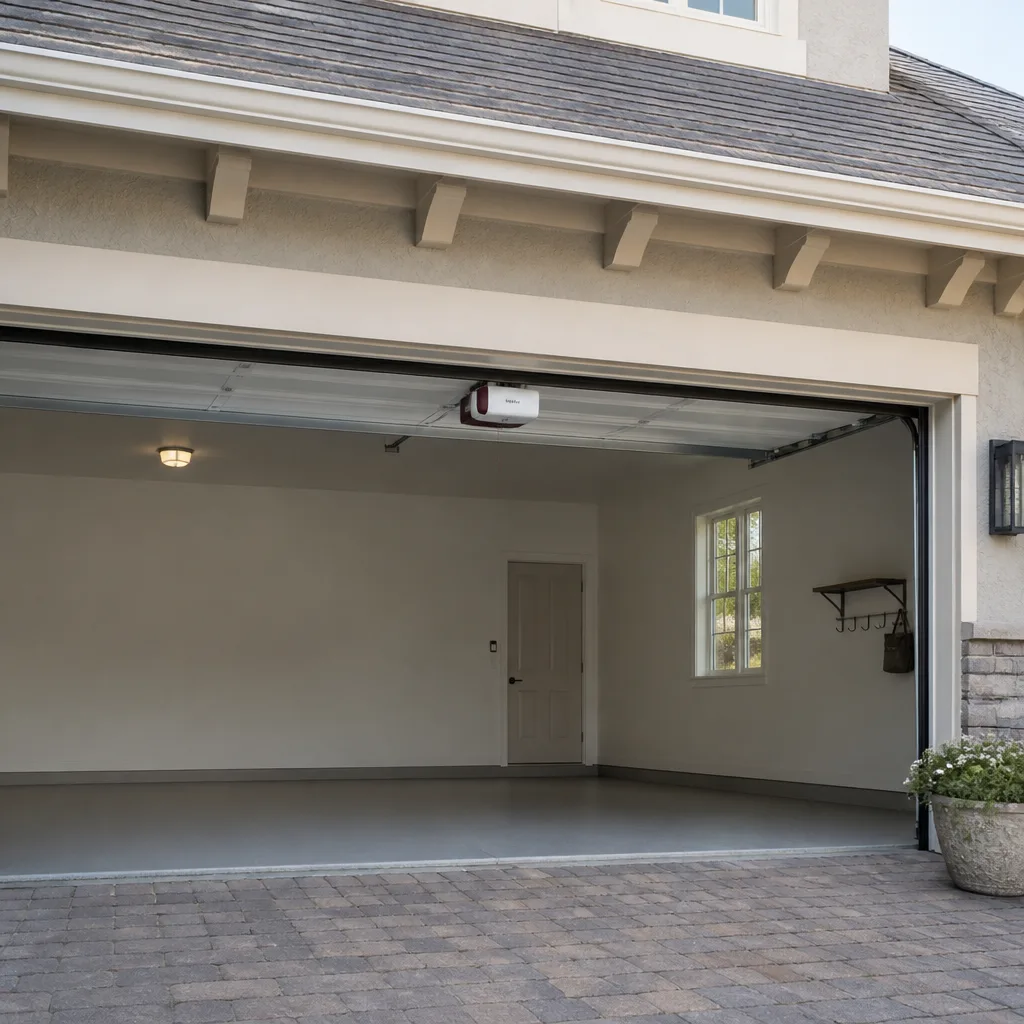 LiftMaster openers
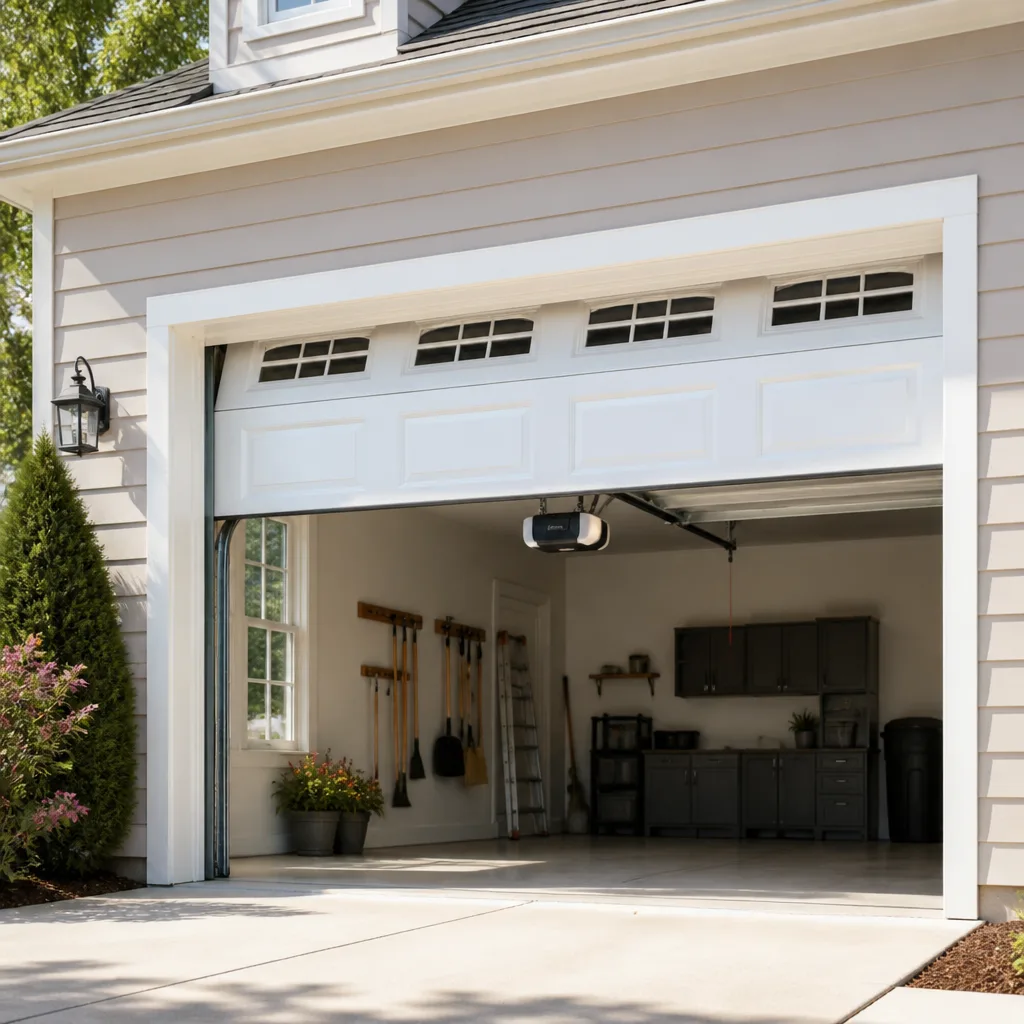 Chamberlain openers
Full 25-point door and opener safety check with every visit - springs, cables, rollers, tracks, and your LiftMaster or Chamberlain opener included
You get a price before we start. It does not change when the truck arrives.
Get your free estimateGarage Door Repair Maintenance Schedule: What to Do and When
Torsion springs are rated in cycles, not years. A standard residential spring is commonly rated for around 10,000 cycles, and a cycle is one full open-and-close. Manufacturers build that rating around an assumption: the garage is a place you park, maybe four trips a day. If your household uses the garage as the main entrance, the way many Salinas families do, you can burn through that rated life twice as fast as the label suggests. That’s why a single annual checkup, the advice most generic guides give, lets people down. A quarterly rhythm catches wear while it’s still cheap to fix. Here’s the schedule we’d hand a neighbor.
Quick Answer
Check your garage door once a month (a 10-minute visual and balance test), lubricate moving parts and test safety features every three months, and book a professional tune-up once a year, sooner if you notice noise, uneven travel, or a door that reverses on its own. Replace rollers, cables, and weather stripping on fixed intervals regardless of appearance, and know your spring’s cycle count so you can anticipate failure instead of reacting to it.
Styles & brands we work with
- Raised-panel steel
- Carriage house
- Modern flush
- Full-view glass
- LiftMaster openers
- Chamberlain openers
Table of Contents
- Why Cycle Count Beats the Annual Checkup
- Monthly Tasks: Under 10 Minutes
- Seasonal Adjustments for the Salinas Climate
- Fixed Intervals vs. Condition-Based Parts
- What a Professional Tune-Up Actually Covers
- How to Keep a Maintenance Log That Pays Off
- Opener Care: The Overlooked Half of the System
- Booking the Job at Fletcher Garage Door Repair
Why Cycle Count Beats the Annual Checkup
A spring doesn’t fail because a calendar flipped. It fails because it reached the end of its rated cycles. A 10,000-cycle spring used four times a day lasts roughly seven years. Use that same spring eight times a day and you’re looking at something closer to three or four years. Same spring, same house, half the life. The math matters when you decide when to check on it.
So the first maintenance step most guides skip is a simple household audit. For one week, count how many times the door opens and closes each day. Include the times someone pulls in and immediately heads back out, the times you open it to grab something and close it again, and the school-run trips. Multiply your daily average by 365. That’s your annual cycle usage.
Now think about where your door stands. If you’ve been in the house since the door was installed and you know the spring has never been replaced, you can estimate where you are in the lifespan. If the door is new to you, treat any spring older than five years as a part worth having a technician inspect and measure. In Salinas, where many homes have mature trees and long driveways, driveways are often used as extra living space, and that pushes daily cycles up. A household that treats the garage as a workshop or a place for the kids to play will cycle far more than the manufacturer assumed.
Metal fatigue doesn’t announce itself. A spring near the end of its life looks the same as one that’s fresh. You can’t eyeball the difference. What you can do is keep the cycle math in mind and schedule professional inspection before the math runs out. That single mental shift is the core of this whole schedule.
Monthly Tasks: Under 10 Minutes
You can do these yourself, safely, with the door closed and the opener disconnected. Each task has a clear pass or fail, so you’re not guessing what “check for wear” actually means. Set a reminder for the first Sunday of the month so it doesn’t slip.
- Visual cable inspection. With the door closed, look at both lift cables running down the sides. Pass: cables sit evenly in their drums, no fraying, no broken strands, no kinks or flat spots. Fail: any fraying, a cable that looks like it’s unwinding, or slack on one side. Frayed cables are a safety issue and should stop there.
- Manual balance test. Disconnect the opener using the release cord, lift the door by hand to about halfway, and let go. Pass: the door holds roughly where you put it, or drifts only slightly. Fail: it drops hard or springs upward. That imbalance usually points to spring tension, which is a professional job.
- Sensor wipe-down. Wipe the two safety sensors near the floor with a dry cloth. Pass: the indicator lights on both sensors are steady. Fail: a light is blinking or dark, or the door reverses with nothing in the way. Dust, cobwebs, and spider nests are common culprits in this climate.
- Roller and track glance. Look at each roller in its hinge and run a hand along the track for bends. Pass: rollers turn freely and tracks feel straight. Fail: flat spots on a roller, visible wobble, or a track with a kink.
- Weather stripping check. Close the door and look for daylight at the bottom and sides. Pass: even seal, no gaps. Fail: daylight means air and pests are getting in.
For anything marked fail on the cables, springs, or balance, stop there and call a trained technician. Coiled torsion springs and tensioned cables are under heavy load, and they can injure people who handle them without the right tools and training. Those are the two parts of this trade you should never work on yourself.
Seasonal Adjustments for the Salinas Climate
Salinas doesn’t get harsh winters, so a lot of garage door advice written for cold-weather markets just doesn’t apply here. What we do get is a long humid stretch in spring and early summer, dry hot afternoons in August and September, and a fog cycle that rolls in most summer mornings. That combination shows up in three predictable ways.
Spring humidity: wood panels and alignment
If your door has wood or wood-composite panels, spring humidity swells the material. A quarter-inch of movement across a wide door is enough to throw the door out of alignment and make it drag on one side. By late spring, run the balance test described above. If the door has started scraping or sitting slightly crooked, the fix is usually a small adjustment, not a replacement. Catch it early. A door that drags wears out its rollers and hinges fast.
Summer heat: opener logic boards
An opener mounted in a garage that hits high afternoon temperatures has its logic board running warmer than a board in a shaded workshop. Electronics and heat are a bad pair, and modern openers with Wi-Fi, battery backup, or camera modules have more components sensitive to it. If your opener starts acting erratically in August (random reversing, remotes that stop responding, lights that flicker), the logic board is the first thing a technician should test. Keep the garage vented and avoid stacking storage right against the opener housing.
Fog season: lubrication
Fog is moisture, and moisture and dry metal don’t get along. Once the fog cycle starts in late spring, wipe down the tracks and apply a proper lubricant to rollers, hinges, and the torsion spring coils every three months. Don’t use grease, which traps grit, and don’t WD-40 your tracks; a silicone-based lubricant or a purpose-made garage door lubricant is the right choice. If you can hear squealing or see rust spots on the hinges, you’ve missed a cycle. Read more about our Fletcher Garage Door Repair approach to seasonal service if you want to see how we handle it.
Fixed Intervals vs. Condition-Based Parts
Here’s where most people waste money or lose a door at the wrong moment. Some parts fail gradually and you can judge them by inspection. Others wear at a predictable rate and should be replaced on schedule whether they look fine or not. Know which is which.
- Nylon rollers: replace every 5 to 7 years. They develop flat spots and crack, and cheap rollers wear faster than you’d expect. Inspect them monthly but replace on the interval.
- Steel rollers: replace every 8 to 10 years. They last longer but get noisy; a steel roller that stays silent and free is still worth checking against the clock if the door cycles heavily.
- Lift cables: replace every 8 to 12 years as a routine matter, and immediately if you see fraying. Cables are buried under load and don’t give much warning; the replacement interval is the warning.
- Bottom weather stripping: replace every 3 to 5 years in Salinas. Sun and humidity both work on the rubber, so the seal deteriorates faster here than in a shaded, dry climate.
- Hinges and bearings: these are condition-based. Replace when they squeak, seize, or show cracks at the bend. Lubrication extends their life considerably.
- Springs: condition-based but cycle-driven. Replace when they break or when a technician’s cycle math says you’re close. Never ignore a spring inspection result.
- Safety sensors: replace when they fail a test, not on a schedule. They’re electronic and either work or they don’t.
If your door is a Clopay, Amarr, or Wayne Dalton model, a technician familiar with those brands will know the correct roller, cable, and stripping types by model, not by eyeball. That matters because the wrong aftermarket part wears out prematurely even if the interval is right. For garage door repair on a specific model, having the original parts list on hand saves a return trip.
What a Professional Tune-Up Actually Covers
A once-a-year professional visit is worth the money, but only if it goes beyond a spray of lubricant. When we tune a door, the check has a fixed list, and you should expect every item done before the technician leaves. Here’s what actually gets checked on a proper annual service:
- Spring cycle audit. Measure wire size, count the coils, and calculate remaining life against your household usage. This is the one item no homeowner can do safely.
- Cable tension and drum inspection. Check both cables for slack, wear, and correct seating in the drums.
- Balance and travel adjustment. Set open and close limits so the door stops where it should.
- Roller and hinge replacement assessment. Check against the fixed intervals above and flag anything near the end.
- Safety reverse test. Verify the door reverses on contact and that sensors stop it properly. This one has a life-safety purpose, not just convenience.
- Track alignment and bolt torque. Straighten any drift and confirm all fasteners are tight. Loose bolts are a common source of rattle and misalignment.
- Weather seal and bottom strip. Confirm the seal and replace if it has hardened or split.
- Opener inspection. Test the safety reverse through the opener, check the force settings, and examine the rail, chain or belt, and logic board for issues. We treat opener service as its own discipline, so this part gets real attention rather than a glance.
A tune-up in late spring, after the humidity has settled but before the fog season peaks, is the sweet spot for Salinas. It catches the swelling damage from spring, gets the lubrication right before fog season, and sets the door up for the dry months. Book one and you’ve covered the annual item on the schedule.
How to Keep a Maintenance Log That Pays Off
A maintenance log is a single page, kept on the inside of the garage door frame or on your phone, that records every check, adjustment, and repair. It’s not bureaucracy. It’s the difference between a technician walking into a known history and one who has to rebuild the picture from scratches and dust. The log saves time on the next service call and serves as documented proof of upkeep if you ever sell the house.
What to record:
- The date and the task (monthly check, lubrication, professional tune-up, part replacement).
- Any fail result and what you did about it, even if it was just “called technician.”
- Parts replaced, with the brand and model if you have it (a Clopay roller is not the same as a Wayne Dalton roller, and knowing the model matters).
- Any change in door behavior (a new squeak, a slow spot, a remote that stops working).
- The cycle math: the date you last estimated usage and the number you arrived at.
When a homeowner hands us a log, we can spend the visit on the actual problem rather than on discovery. That directly shortens the diagnostic time and often the bill. If you’re selling the home, that same log is a document a buyer’s inspector will appreciate, because garage doors are one of the most commonly flagged items in a home inspection. A log showing regular tune-ups and part replacements answers the question before anyone asks it.
Keep it simple. A text note on your phone works fine. The point is consistency, not formality.
Opener Care: The Overlooked Half of the System
Most maintenance guides spend all their ink on the door and forget the opener. That’s a mistake. The opener does half the work, and on modern units the electronics are as complex as the mechanical parts. A LiftMaster or Genie with Wi-Fi and battery backup has a logic board, a radio receiver, and sensors that all need attention. A Craftsman or Chamberlain unit has its own quirks. None of these are interchangeable when something goes wrong.
The opener tasks that belong on the quarterly list:
- Force setting test. With the door connected, place a piece of wood flat under the door and close it. The door should reverse on contact. If it doesn’t, the force setting is wrong. Get it adjusted before relying on the door.
- Photo-eye test. Wave an object through the sensor beam while the door is closing. It must stop and reverse. If it doesn’t, the sensor or its wiring is the problem.
- Battery backup check. If your opener has a battery backup, test it once a quarter by tripping the breaker and opening the door. A dead backup battery means no door when the power fails, which in Salinas happens during high-wind events and summer heat strain on the grid.
- Remote and keypad test. Replace remote batteries annually, and re-pair a remote that’s become intermittent before you assume the opener is bad.
- Chain or belt tension. A slack chain slaps and wears the rail; a belt should be snug without being tight. This is a professional adjustment on most units.
When a problem comes up with these systems, our garage door opener repair covers the opener as a specialized job, not a side task. If you’d rather hand the whole annual check to a technician, one visit can cover both the door and the opener, and you’ll get one record in the log. Homes across Salinas come in every brand mix, and matching the right part to the right opener is where a generalist usually stalls.
Booking the Job at Fletcher Garage Door Repair
Fletcher Garage Door Repair has worked on residential garage doors and openers in Salinas since 2015, and we’re trained on eight of the most common residential brands: LiftMaster, Chamberlain, Genie, Clopay, Amarr, Wayne Dalton, Craftsman, and Raynor. That means when we arrive for a tune-up, we already know your equipment. No looking up the manual, no guessing at the model, no fitting the wrong roller because it’s the one on the truck. One call handles repair, opener service, and installation under one roof, so you’re not sourcing a second contractor when a tune-up turns up something bigger.
The estimate is free, and the price is quoted to you in writing before any work starts. If the technician finds a spring that’s closer to failure than the log suggested, you’ll hear about it before anything gets replaced, and you’ll get a clear explanation of why. We’d rather show you the math than sell you a part you don’t need.
Common Mistakes to Avoid
- Treating the annual checkup as the whole schedule. Monthly and quarterly checks are what catch wear early. Skipping them lets a small imbalance turn into a broken spring or a stripped gear before the next annual visit.
- Assuming a newer door doesn’t need maintenance. A new door in Salinas still faces humidity swelling and fog-season moisture from its first year. Maintenance begins the month it’s installed, not the year it starts acting up.
- Lubricating tracks with grease. Grease collects grit and dust, and the grit grinds at the rollers. Use a silicone-based or door-specific lubricant, and wipe the tracks clean before applying it.
- Ignoring a door that reverses on its own. Random reversing means the sensor or the force setting is wrong. Every closing cycle is a potential contact event until it’s fixed.
- Replacing only one spring on a matched pair. Matched springs wear at the same rate. Replacing one leaves the other close to failure, and most technicians will tell you to replace the pair together.
- Skipping the balance test after spring humidity. Wood and composite panels swell in spring, and the door starts dragging on one side. A one-minute test catches it before the drag wears the rollers.
- Keeping no log. Every service call starts from zero, and you’ll re-explain history that a written record would have covered. The log is free, and it pays off every time the door needs attention.
See the difference
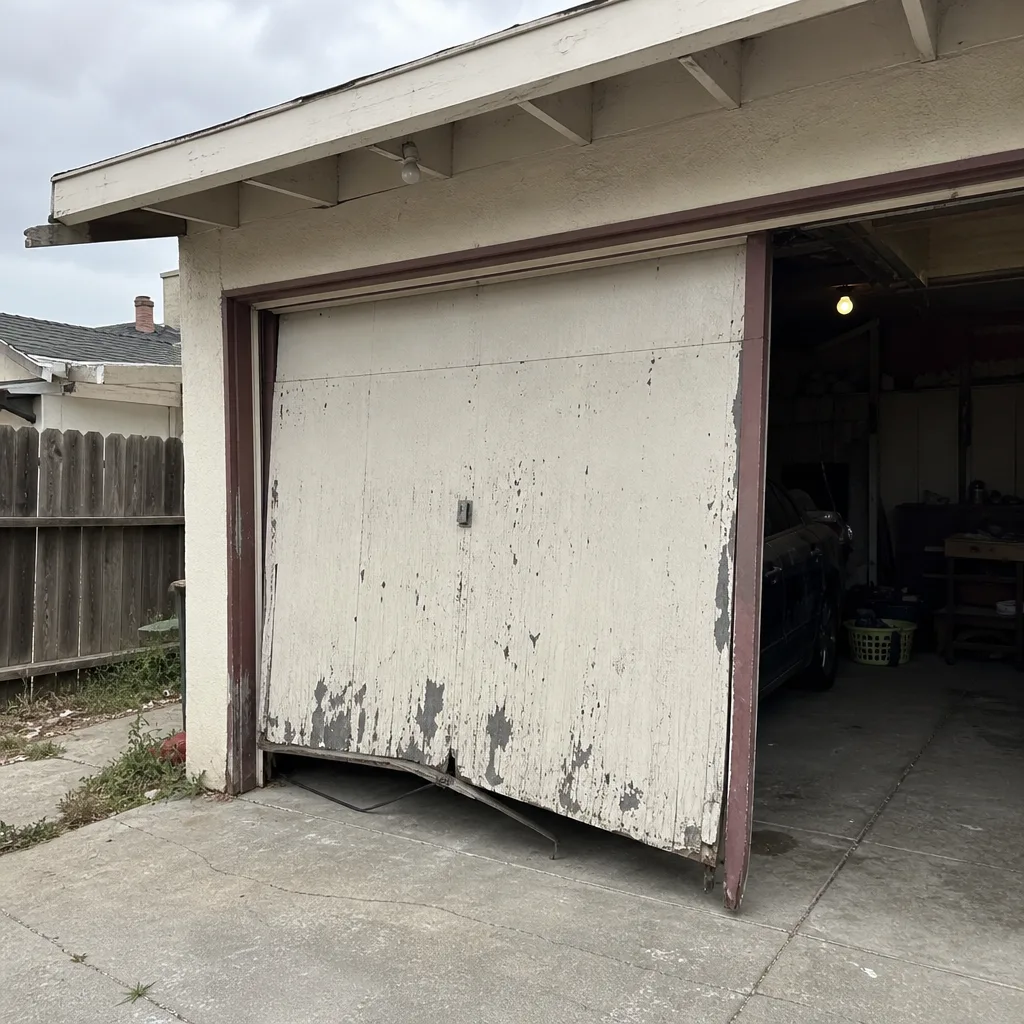 Before
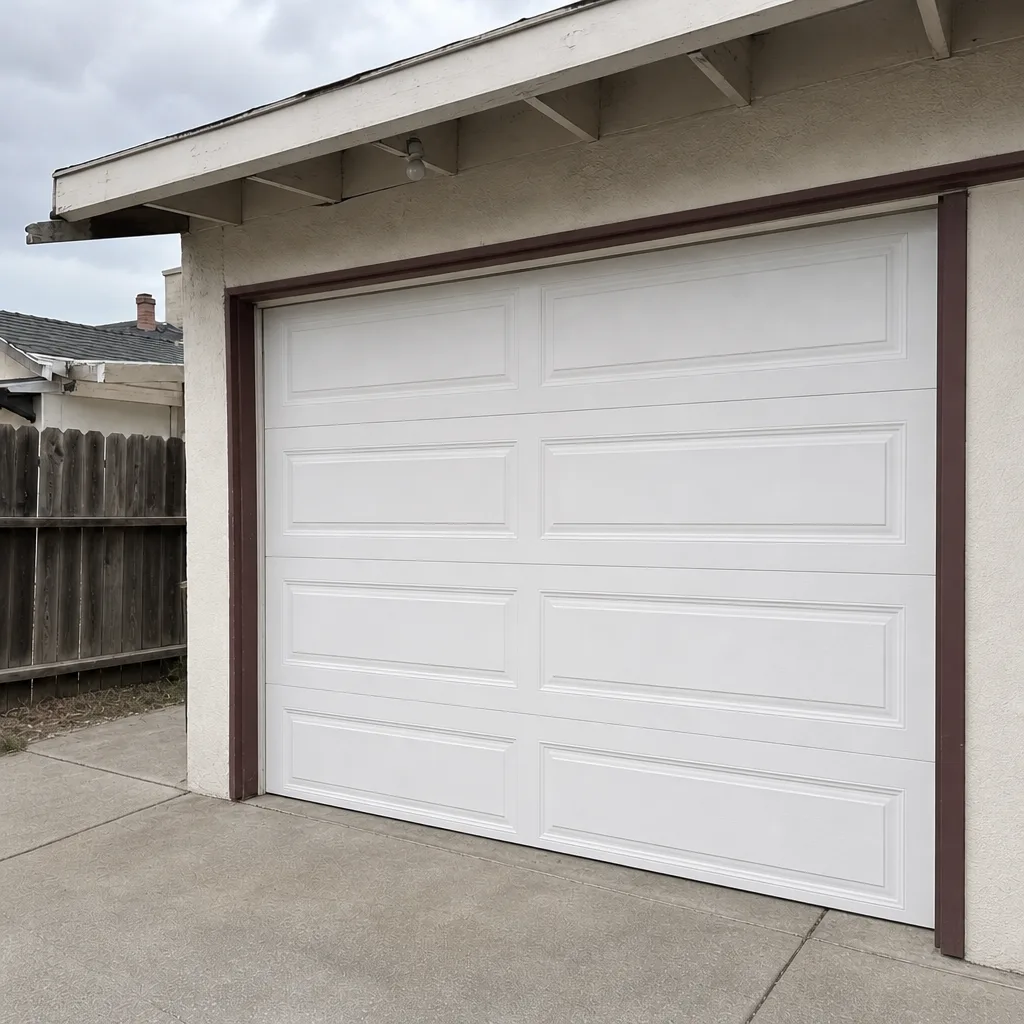 After
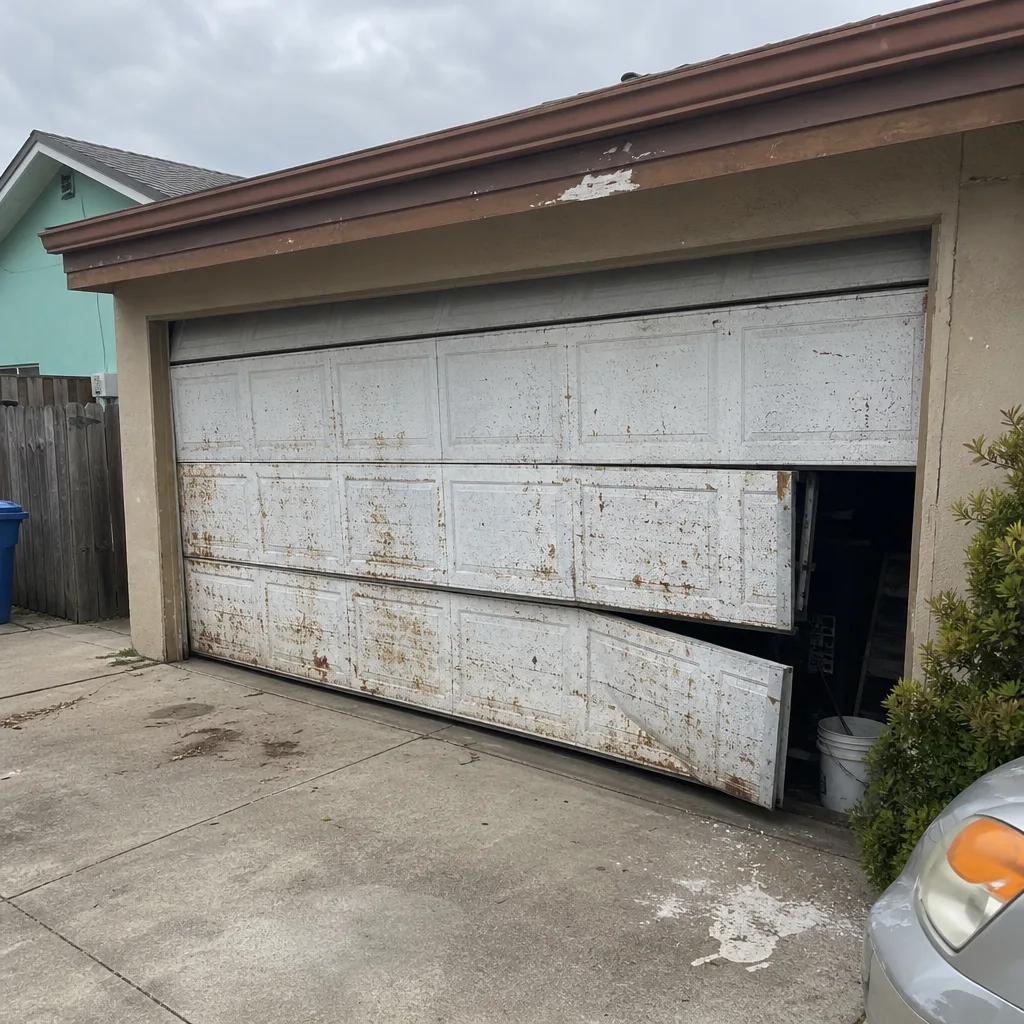 Before
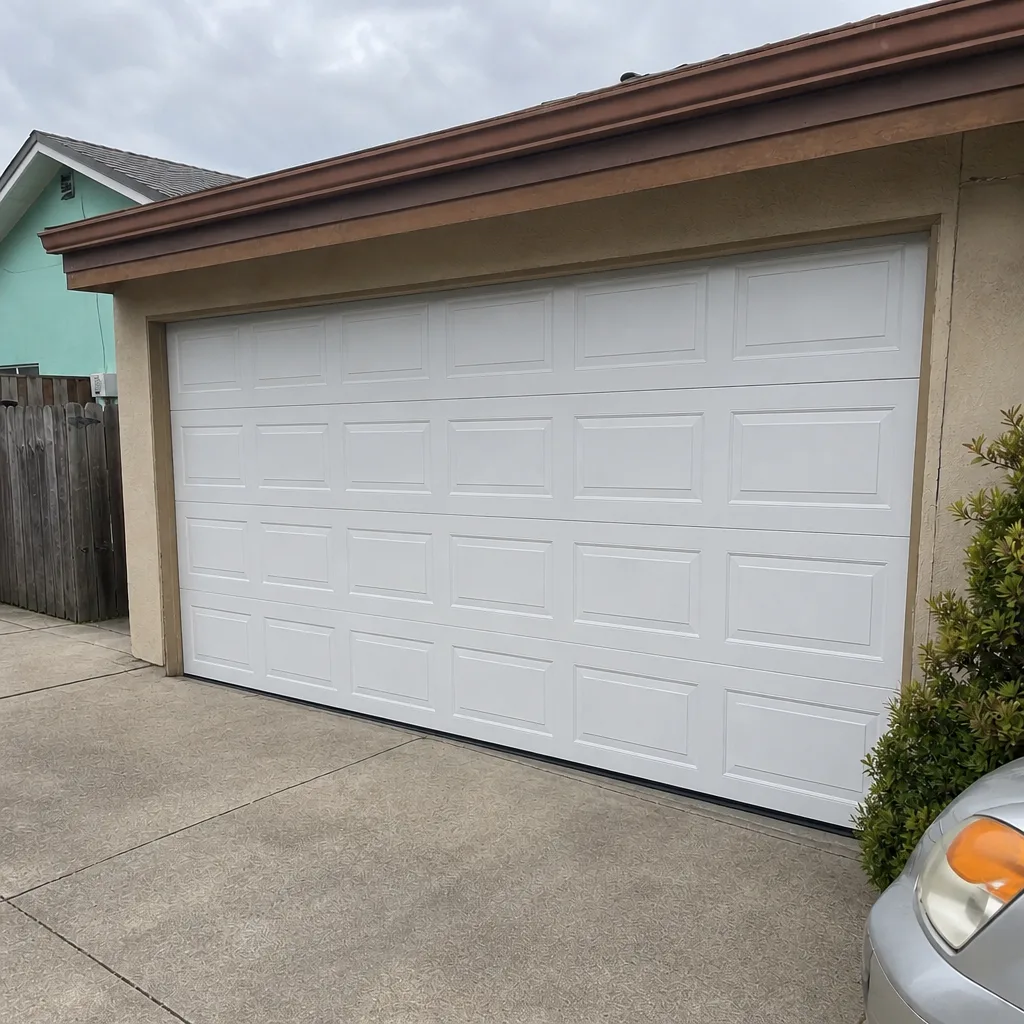 After
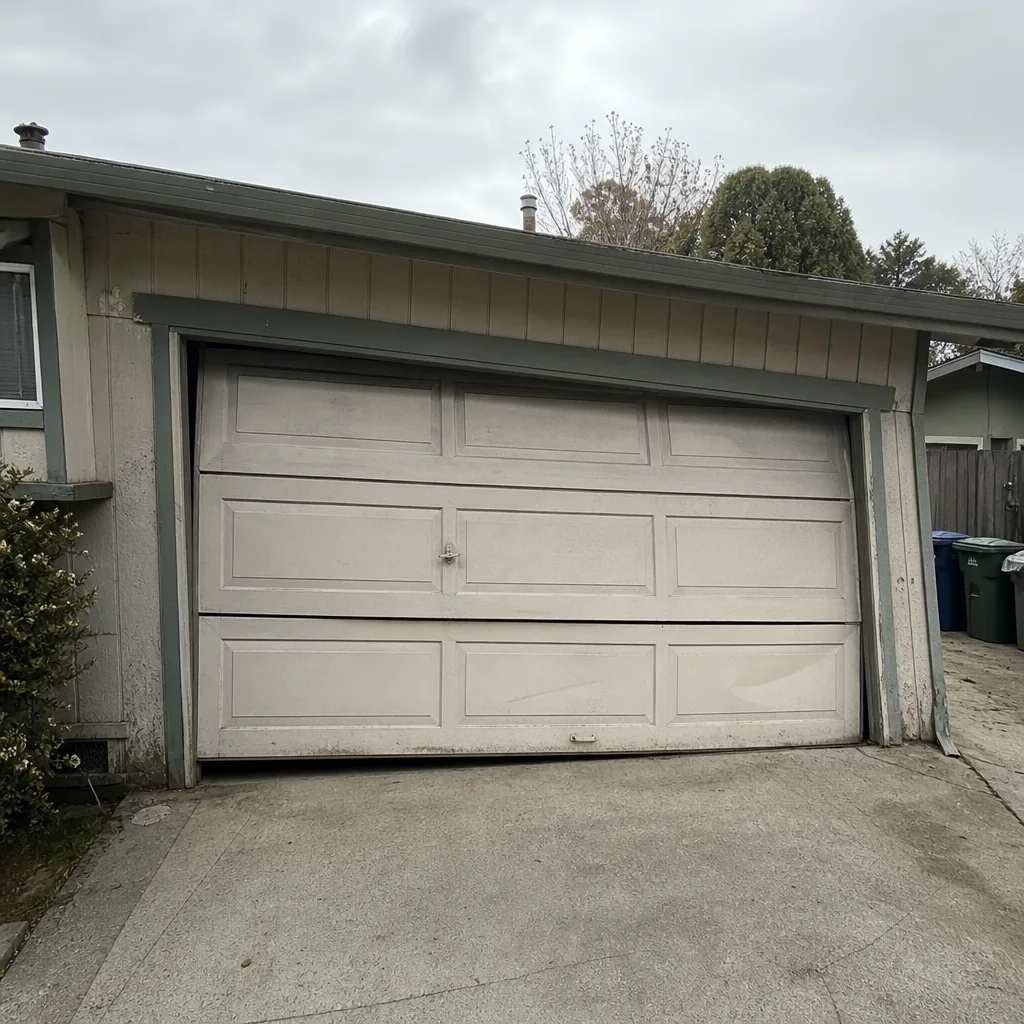 Before
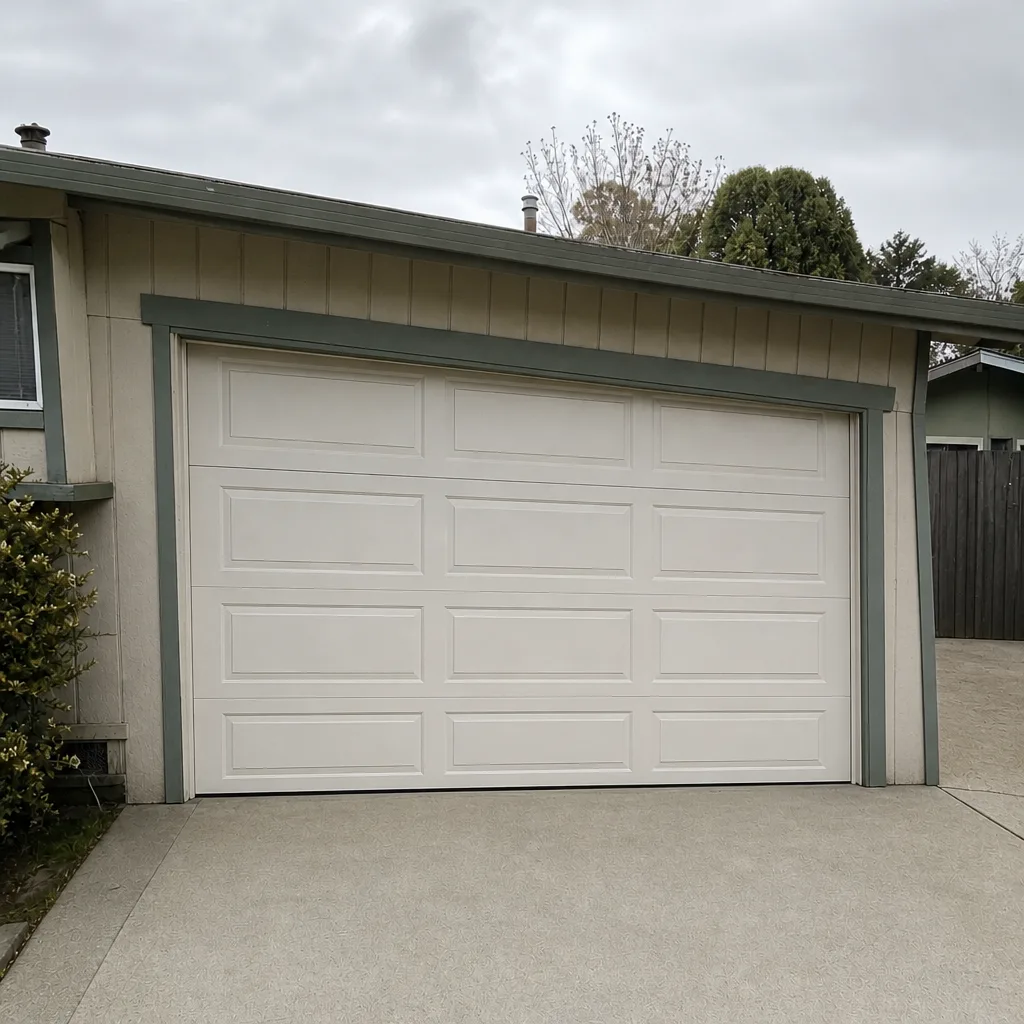 After
When to Call a Professional
Call a technician for anything involving springs, cables, or the opener’s electrical internals. Those parts are under high load or carry current, and an untrained repair is where people get hurt. Also call if the monthly balance test fails, if the door reverses on its own, if you see a frayed cable, or if a roller has a visible flat spot. And book the annual tune-up even when nothing seems wrong, because the spring cycle audit is the one item you can’t do yourself. Fletcher Garage Door Repair offers free estimates in Salinas. Call (844) 482-7563. We answer 24/7, with fast dispatch from 7am to 7pm, Sunday through Friday. The estimate is free and the price is set in writing before any work begins.
Frequently Asked Questions
Check the door monthly, lubricate and test safety features quarterly, and book a professional tune-up once a year. If you use the garage as your main entrance and cycle the door more than six or seven times a day, a professional inspection twice a year is worth considering. Call (844) 482-7563 for an exact quote on a tune-up; estimates are free.
Springs are rated in cycles, so the right answer is math, not appearance. A 10,000-cycle spring used four times a day lasts about seven years; at eight times a day, closer to three or four. A technician can measure your spring and calculate where you stand. Call (844) 482-7563 to schedule a spring inspection; estimates are free.
Yes, and you should, every three months, especially as fog season sets in around Salinas. Wipe the tracks clean, then apply a silicone-based or door-specific lubricant to rollers and hinges. Don’t use grease, and don’t touch the springs or cables. Call (844) 482-7563 if you’re not sure which part is making noise; estimates are free.
Run the balance test and the sensor test first. If the door holds its position when disconnected and the sensors show steady lights, the issue is likely with the opener, not the door. If either test fails, call a technician. (844) 482-7563 is the number, and the estimate is free.
A full tune-up usually takes about an hour on a standard residential door, longer if parts need replacing. We work around your schedule and quote the price before any work starts. Call (844) 482-7563 to book one; estimates are free.
Yes, in two small ways. Do the balance test in late spring after the humidity has swollen the door, and step up lubrication as the fog season begins. Those two timing shifts catch most climate-related problems before they cost you. Call (844) 482-7563 to schedule a climate-aware tune-up; estimates are free.
The Bottom Line
The garage door maintenance schedule that actually works is built around cycles, not the calendar. Check the door monthly, lubricate and test safety features quarterly, and book a professional tune-up annually. Know your spring’s cycle count, replace rollers, cables, and weather stripping on fixed intervals, and keep a simple log so every service call starts with history. In Salinas, add a late-spring balance test after the humidity settles and a fog-season lubrication routine. That’s the whole system, and it takes less than an hour of your time across the year. Everything else is a professional job, and that’s the part we’re glad to handle.
Written by the team at Fletcher Garage Door Repair, serving Salinas since 2015.