
Last updated November 14, 2026
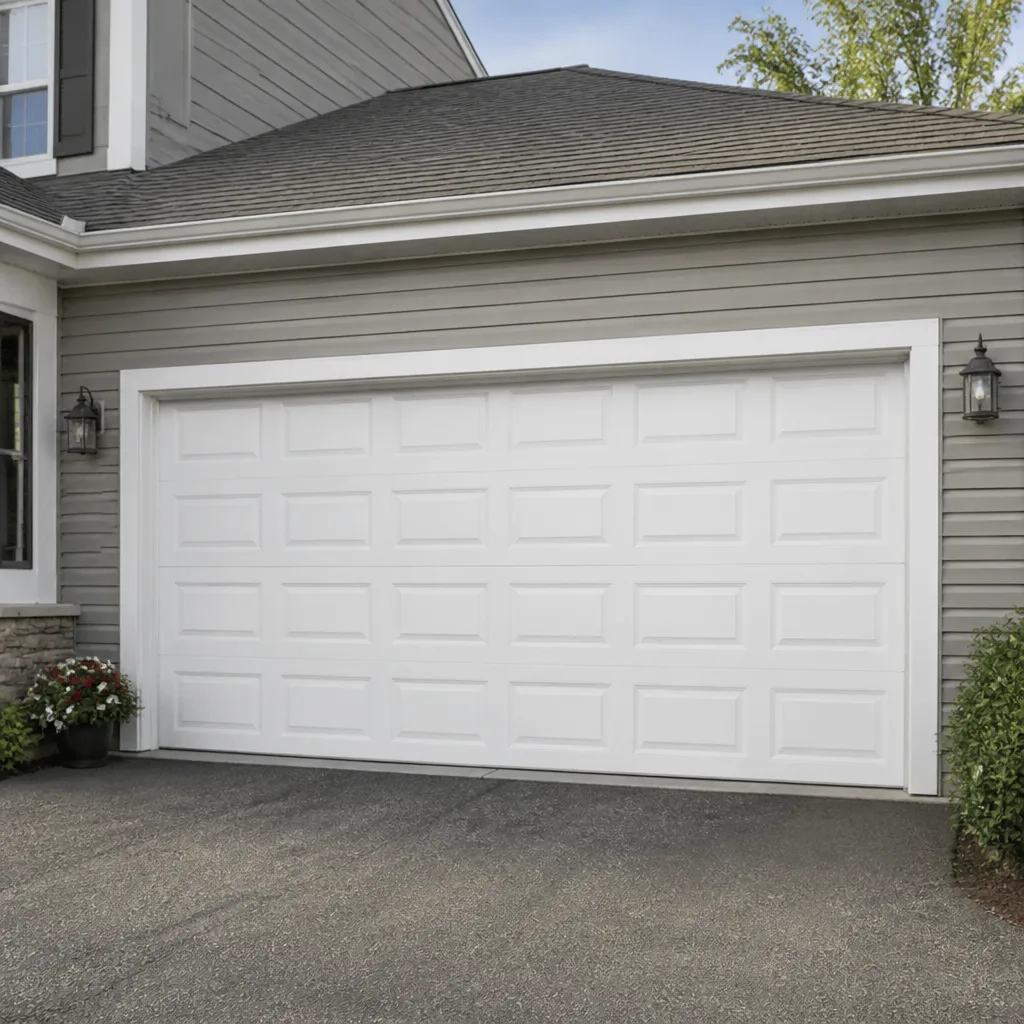 Raised-panel steel
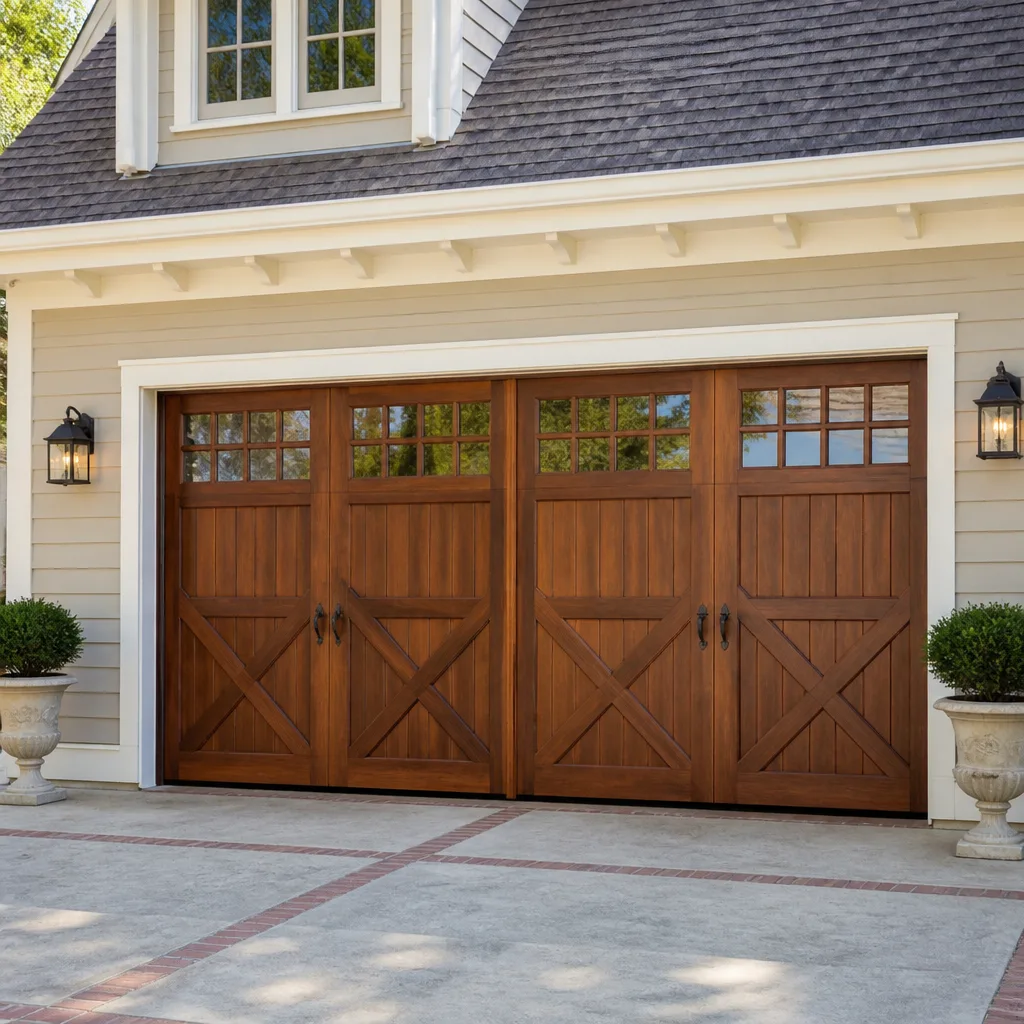 Carriage house
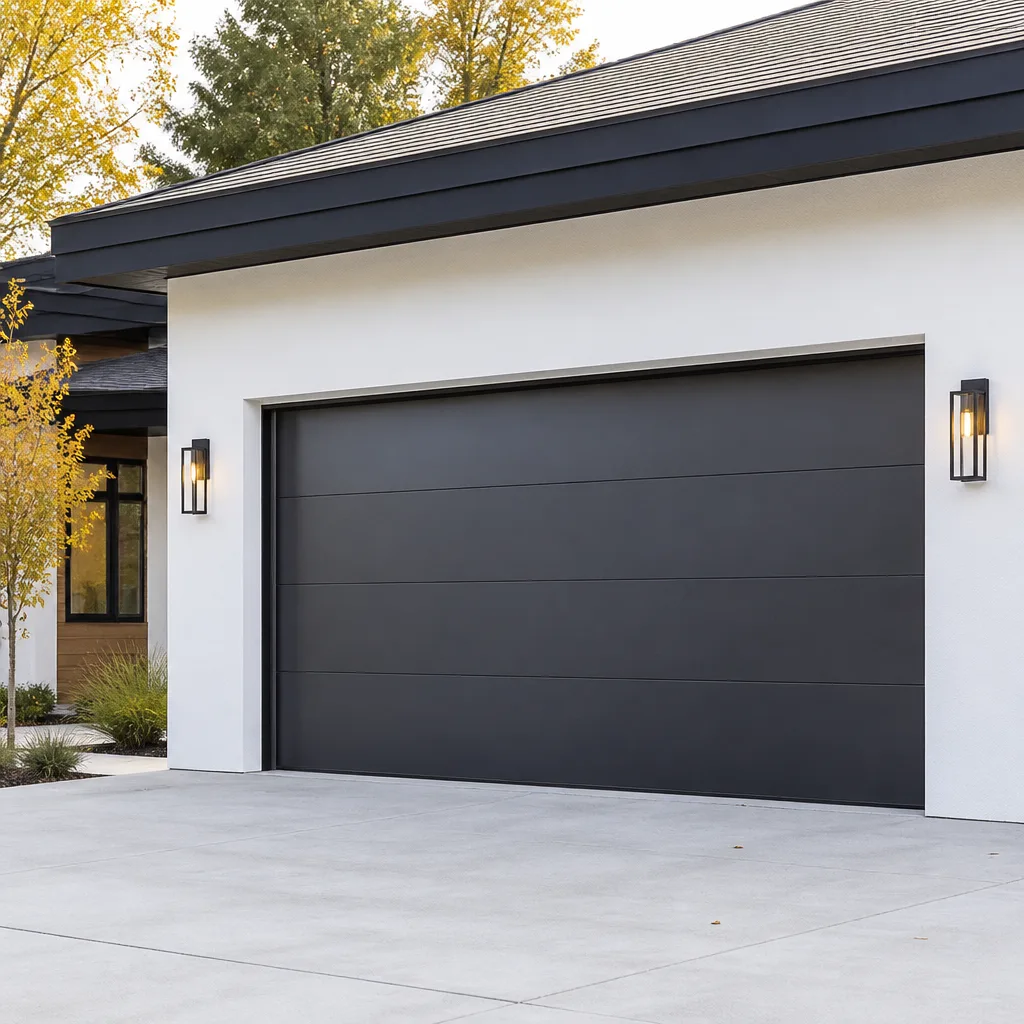 Modern flush
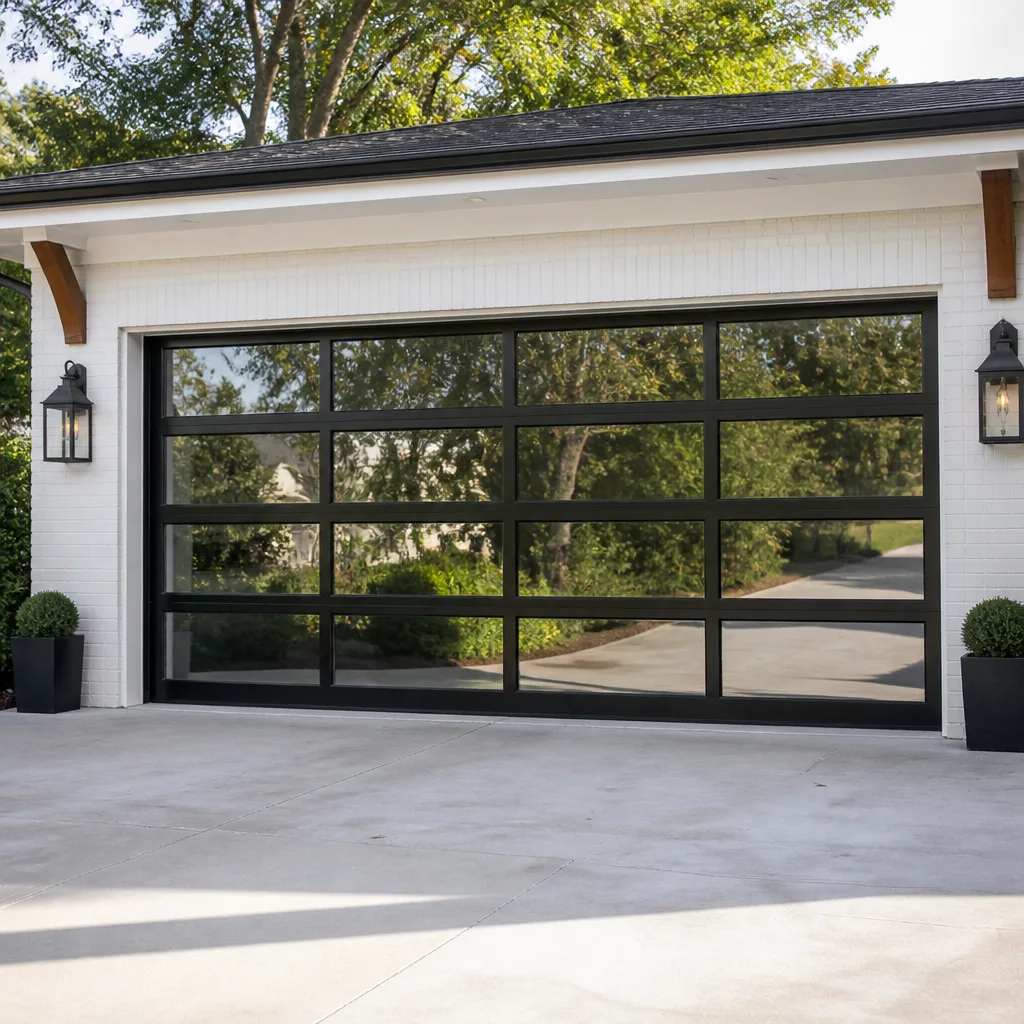 Full-view glass
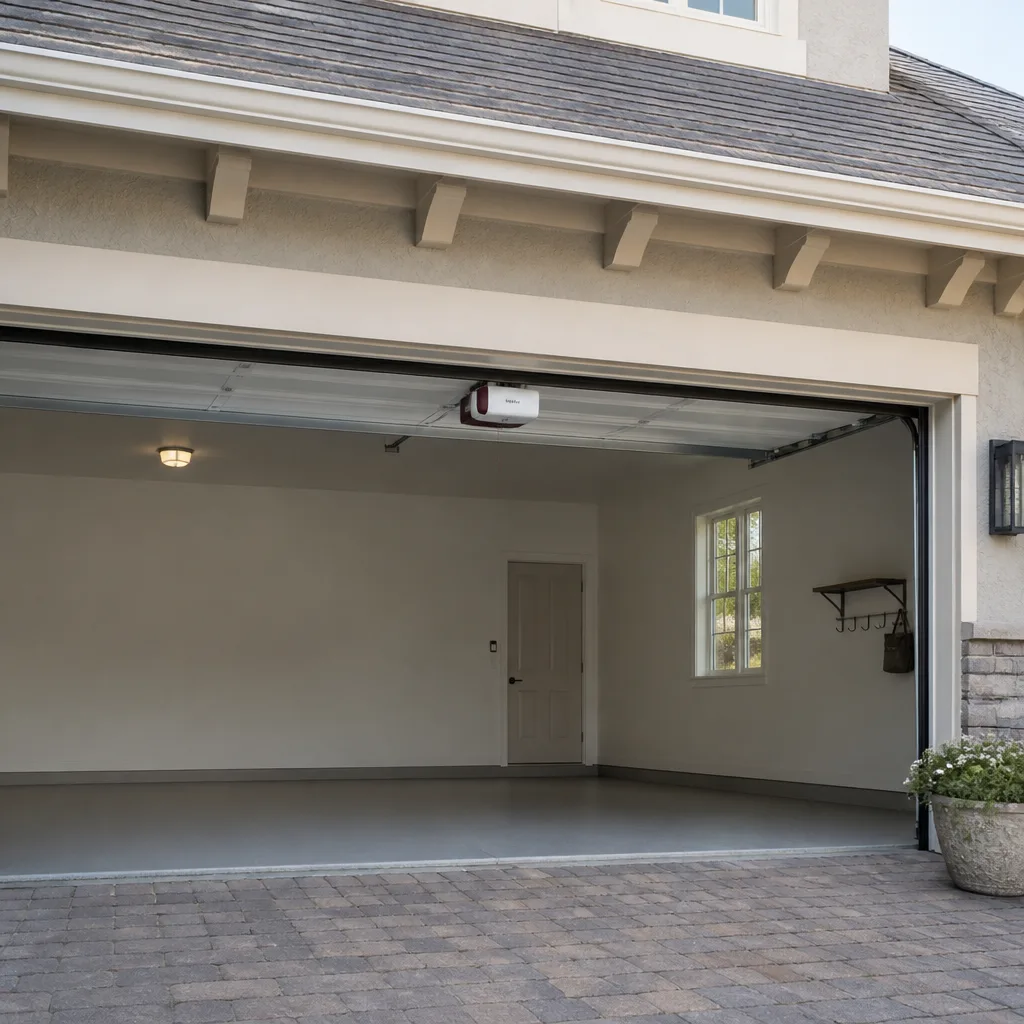 LiftMaster openers
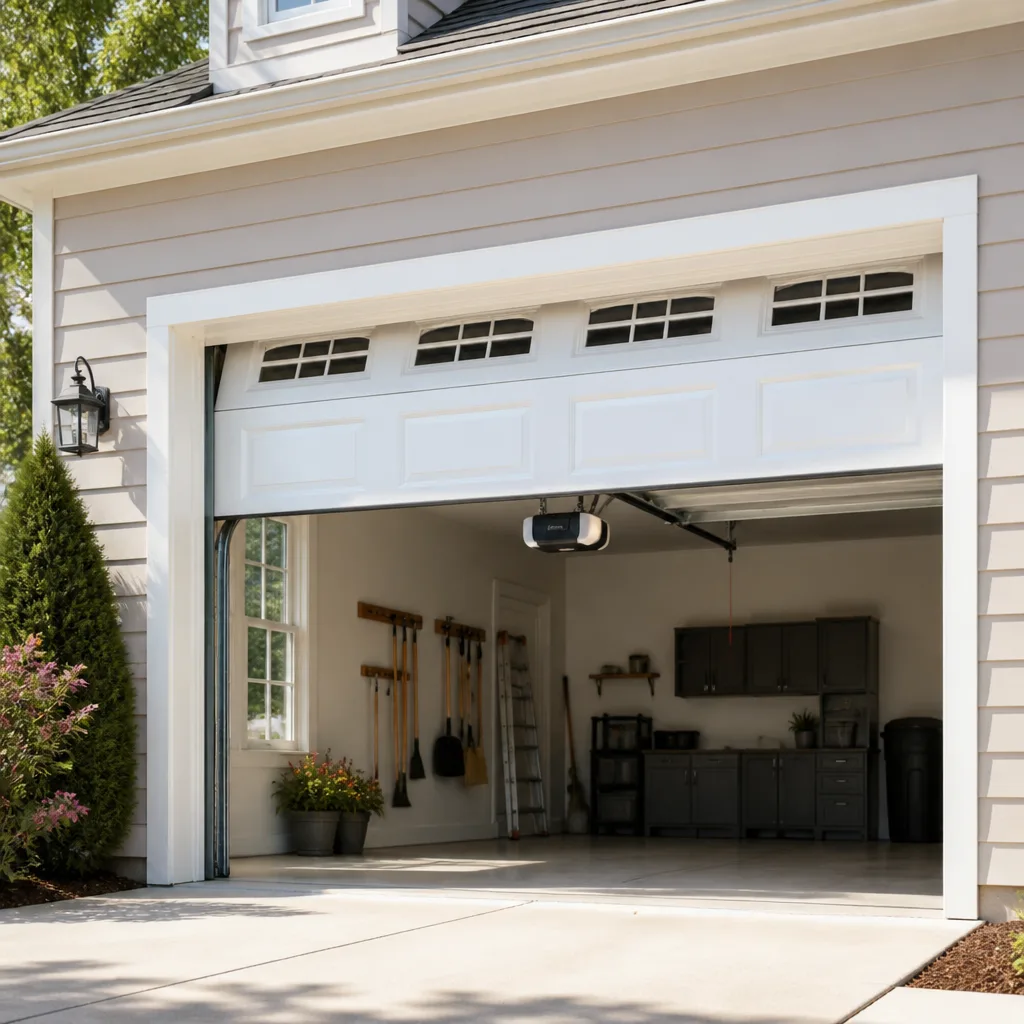 Chamberlain openers
Full 25-point door and opener safety check with every visit - springs, cables, rollers, tracks, and your LiftMaster or Chamberlain opener included
You get a price before we start. It does not change when the truck arrives.
Get your free estimateThe Complete Guide to Garage Doors in Salinas
Most garage door guides are written for a climate that doesn’t exist here. They warn about hard freezes, heavy snow loads and road salt, none of which describe a Salinas winter. What actually wears out a door in this valley is quieter: damp air rolling in overnight, a long dry season of intense sun, and soil that moves under the slab. This guide is built around those conditions. We’ll cover which materials hold up, why alignment drifts, how to read a failing spring or opener, and a realistic service timeline for a home in Salinas instead of a national average.
Quick Answer
A garage door in Salinas usually lasts 15 to 20 years on the door itself, with springs, rollers and opener parts replaced along the way; the damp overnight air and clay soil here tend to wear hinges and throw alignment before the panels fail. Choose a steel door with a good finish, keep the hardware lubricated, and have the springs, cables and opener checked by a trained technician once a year. You do not need a different door than the rest of California. You do need a service rhythm that matches this valley.
Styles & brands we work with
- Raised-panel steel
- Carriage house
- Modern flush
- Full-view glass
- LiftMaster openers
- Chamberlain openers
Table of Contents
- How Salinas Conditions Shape Garage Door Wear
- Which Garage Door Materials Hold Up in Salinas
- Why Soil Movement Throws Doors Out of Alignment
- The Parts That Fail First, and What to Check
- Openers: Modern Systems Need Their Own Expertise
- What a Single-Brand Dealer Won’t Tell You
- A Realistic Service Timeline for Salinas Homes
- Repair or Replace? How to Decide
How Salinas Conditions Shape Garage Door Wear
The single biggest difference between a Salinas garage door and one in the Central Valley or the Sierra foothills is moisture, and it arrives gently. Damp air settles over the valley overnight and burns off by mid-morning, but that daily cycle leaves a film of condensation on bare metal. Steel tracks, hinges and the spring coil pick it up first because they hold the moisture against themselves. Over a few seasons the result is surface rust in the hinge knuckles, stiff rollers, and a spring that looks pitted before it looks worn.
At the same time, the dry months bring strong, steady UV. Salinas sits in a wind corridor that funnels air down the valley, and that moving air plus direct summer sun does a number on finishes and on any plastic or rubber part left unprotected. Weather seals crack, rollers flat-spot, and a factory paint coat on a cheap door can chalk and fade.
What that means in practice:
- Inspect hardware in spring, not fall. The damp season leaves its mark, and catching rust early is cheap.
- Lubricate hinges, rollers and the spring once or twice a year with a garage-door lubricant, not WD-40, which attracts dust.
- Wash and wax the door face annually to protect the finish against UV and wind-blown grit.
- Watch the bottom seal. Sun and grit wear it thin, and a thin seal lets dust and damp air into the garage.
Which Garage Door Materials Hold Up in Salinas
For most Salinas homes, a two-layer or three-layer steel door is the practical choice. Steel handles the damp-and-dry cycle better than wood, holds paint well and gives you the widest range of styles. Gauge matters more than most homeowners realize: a 24-gauge door will dent from a stray basketball, while a 25- or 27-gauge face resists everyday knocks and stays flat under the valley’s summer sun.
Here’s how the common materials compare for this climate:
- Steel (25 to 27 gauge): Best all-around. Good moisture resistance, strong finish options, straightforward to repair. The standard choice for Salinas homes.
- Aluminum: Lighter and rustproof, but dents more easily and can feel flimsy in a windy corridor. Worth considering if rust has been a real problem on an older door.
- Fiberglass: Won’t rust and holds up to sun, but can chalk over time and offers less security than steel. A reasonable fit for some light-duty single-car garages.
- Wood: Beautiful, but the daily damp cycle here will find every seam and joint. If you go wood, plan on regular sealing; it’s a commitment, not a one-time job.
Insulation is worth thinking about too. A well-insulated door doesn’t just keep the garage cooler in summer; it deadens the noise and helps the door track more smoothly and quietly as it runs. Whatever you pick, ask for a finish coat rated for sun exposure. Cheap paint is where a lot of doors here start to fail first.
Why Soil Movement Throws Doors Out of Alignment
Salinas sits on heavy clay soil that swells when it soaks up winter moisture and shrinks back as it dries through summer. That swelling and shrinking is slow and small, but a garage slab is long and unforgiving, and the effect shows up at the door frame. One side of the opening heaves a fraction of an inch, the vertical track gets pulled slightly out of plumb, and suddenly the door binds in one spot, the rollers scrape, or the door drifts sideways as it closes.
Homeowners often blame the opener for a door that’s really out of alignment. The opener is fine; it’s just straining to move a door that’s fighting its own tracks. A trained technician looks at the frame, not just the door. Here’s how an alignment check usually goes:
- Look for uneven gaps at the bottom seal with the door closed, and a gap that changes side to side.
- Check whether the vertical tracks stay parallel to the door jamb and the horizontal tracks stay level.
- Listen as the door opens and closes for a scrape, a pop or a spot where it hesitates.
- Check whether the door lags or jerks at the same spot every time, which points to a track tighten or realignment.
Small alignment corrections are routine. If the slab or frame has moved enough that the door is hard to close, ask your city’s building department whether a repair permit applies before anyone starts work. In our experience, catching a track out of true early prevents the rollers and hinges from wearing unevenly, which saves money later.
The Parts That Fail First, and What to Check
In Salinas, the parts that give out first are the ones that hold stubbornly onto moisture or take the most mechanical stress: hinges, rollers, the bottom seal and the springs. Hinges rust at the pivot, rollers flatten and drag, the seal cracks, and springs lose tension over thousands of cycles. Panel paint and opener parts come later.
A quick monthly walkaround catches most problems early:
- Rust: look inside the hinge knuckles and along the track edges for surface rust. A little is normal; a lot means it’s time to lubricate or replace.
- Rollers: worn rollers look flat-sided or wobbly in the track. New rollers are a small job that smooths out a lot of noise.
- Seal: a cracked bottom seal lets in grit and damp air. Replacing it is one of the cheapest fixes going.
- Springs and cables: visible gaps in the coil, sagging, or a door that feels much heavier than usual are warning signs. Do not try to work on springs or cables yourself. They are under extreme tension and can cause serious injury. Have a trained professional handle anything involving springs, cables or the torsion assembly.
- Opener: a door that reverses for no reason, won’t close the whole way, or makes a grinding noise warrants a look at the opener and the safety sensors.
If something in that list needs real work, call a specialist rather than experimenting. Our garage door repair covers springs, cables, tracks, panels and openers, and we come out with the parts on the truck for most everyday failures.
Openers: Modern Systems Need Their Own Expertise
An opener isn’t a side note to the door. On newer systems it’s the most complex part of the whole assembly, with Wi-Fi, battery backup and smart-home integration built in. A LiftMaster or Chamberlain from the last several years has a logic board, safety sensors and, often, an app that all have to talk to each other, and a technician who only knows doors may not know how to diagnose a creeping opener that’s feeding the door wrong.
What we see most often with openers in Salinas:
- Safety sensor misalignment. A door that won’t close, or closes partway and reverses, is usually a dirty or knocked-out sensor, not a failed motor.
- Force and travel settings drifting. As the door gets slightly heavier from stiff rollers or a tired spring, the opener hits its limit and stops. Reset the door first; a new opener rarely fixes a door that’s binding.
- Battery backup and smart features. A Genie or LiftMaster that’s stopped connecting to Wi-Fi or reporting status is often a logic-board firmware issue rather than a hardware failure.
- Wrong opener for the door. A too-small opener on a heavy or double door will run hot and fail early. Matching the opener to the door matters.
We treat opener work as its own discipline. If your opener is making noise or refusing to play ball, garage door opener repair is a job for someone who reads the model and the manual, not someone guessing.
What a Single-Brand Dealer Won’t Tell You
A dealer who sells one brand will recommend that brand, whether or not it’s the best fit for your door. That’s not dishonest so much as it’s how a dealership works. But it does mean you get a solution shaped by what’s on the truck, not what’s right for your garage. When you use a multi-brand repair shop, the advice comes from a different place: what actually fails on doors here, across hundreds of jobs.
We’re trained and experienced on eight of the most widely installed residential brands in North America. In this valley we see a lot of Raynor and Clopay doors on homes built in recent decades, and openers are frequently LiftMaster, Chamberlain and Genie. Brands matter for parts availability, spring sizing and opener logic, so a technician who already knows your equipment omits the discovery time and gets the diagnosis right the first time.
The upside for you:
- Brand-agnostic advice. We install and repair across all the major manufacturers, so no one is steering you toward a product to protect a franchise.
- Faster diagnosis. Arriving already fluent in your exact door and opener saves time and reduces trial-and-error.
- Honest repair-or-replace calls. Sometimes a Raynor or Clopay door needs a $150 hinge and roller job, not a new door, and a technician with no sales quota can tell you that.
A Realistic Service Timeline for Salinas Homes
National advice treats garage doors as if they live in a neutral climate. They don’t. Here’s a service rhythm built around the Salinas cycle of damp winters, dry summers and moving clay soil, using general guidance rather than a fixed schedule:
- Monthly, all year: a quick visual pass. Look at the bottom seal, listen for scrapes, test the safety sensors by waving an object in the beam.
- Every six months: lubricate hinges, rollers, tracks and the spring with garage-door lubricant, and check that the rollers spin freely.
- Each spring: inspect for moisture damage from the damp season. Rust, cracked seals and stiff hardware are best caught now, before the dry months.
- Each fall: prep for the wet months. Clean tracks, clear debris, check the door balance by hand (with the opener disconnected), and look at the paint and finish.
- Once a year: a professional tune-up. A technician checks the spring tension, cables, opener force settings, and alignment against the frame.
- Every 15 to 20 years: plan for the door replacement window. Springs and openers come sooner, often 7 to 12 years depending on cycles and door weight.
Doors that open and close several times a day wear faster than a door used twice a week. That’s part of why a one-size timeline doesn’t fit every home here.
Repair or Replace? How to Decide
The answer depends on how much of the door is failing at once. A door with one bad hinge, worn rollers or a snapped spring is a repair, usually same day. A door with rusted-through panels, a cracked frame, repeated track problems and an opener at the end of its life is usually a replace, because the repair bill will start adding up.
A few practical guidelines:
- Repair when the door’s structure and panels are sound and the problem is a part or an alignment.
- Repair the opener if it’s under roughly a decade old and working except for one issue.
- Replace when panels are rusted through, the door no longer sits square, or you’re chasing the same problem every few months.
- Replace when the total repair estimate is creeping toward the cost of a new door, particularly on older single-layer steel doors.
Because we install and repair across all the major brands, we can tell you plainly when a repair is the right call. When it is, we get the door back up and running. When replacement makes more sense, we measure, order the right door and install it to fit your opening.
Common Mistakes to Avoid
- Ignoring rust until the hinges seize. A little surface rust on the hinge knuckles in the damp months is easy to treat. Once it’s inside the pivot, the hinge has to be replaced.
- Using WD-40 on the tracks. It attracts dust and grit, which wears rollers faster. Use a proper garage-door lubricant instead, and keep the tracks clean.
- Blaming the opener for a door problem. A door that binds, scrubs or drifts in one spot is usually out of alignment against the frame, and a new opener won’t fix it.
- Trying to adjust or replace springs yourself. Springs and cables are under extreme tension and can cause serious injury. This is not a DIY job, ever.
- Choosing a door on price alone. A cheap steel door with thin gauge dents and a thin finish chalks quickly in the sun here. Pay for the right gauge and finish.
- Skipping the bottom seal. A cracked seal lets dust and damp air in, which is exactly the wear cycle that rusts hinges here.
- Assuming a national timeline fits. Salinas’ damp-then-dry cycle and moving soil wear certain parts faster than a generic schedule predicts. Get a local check.
See the difference
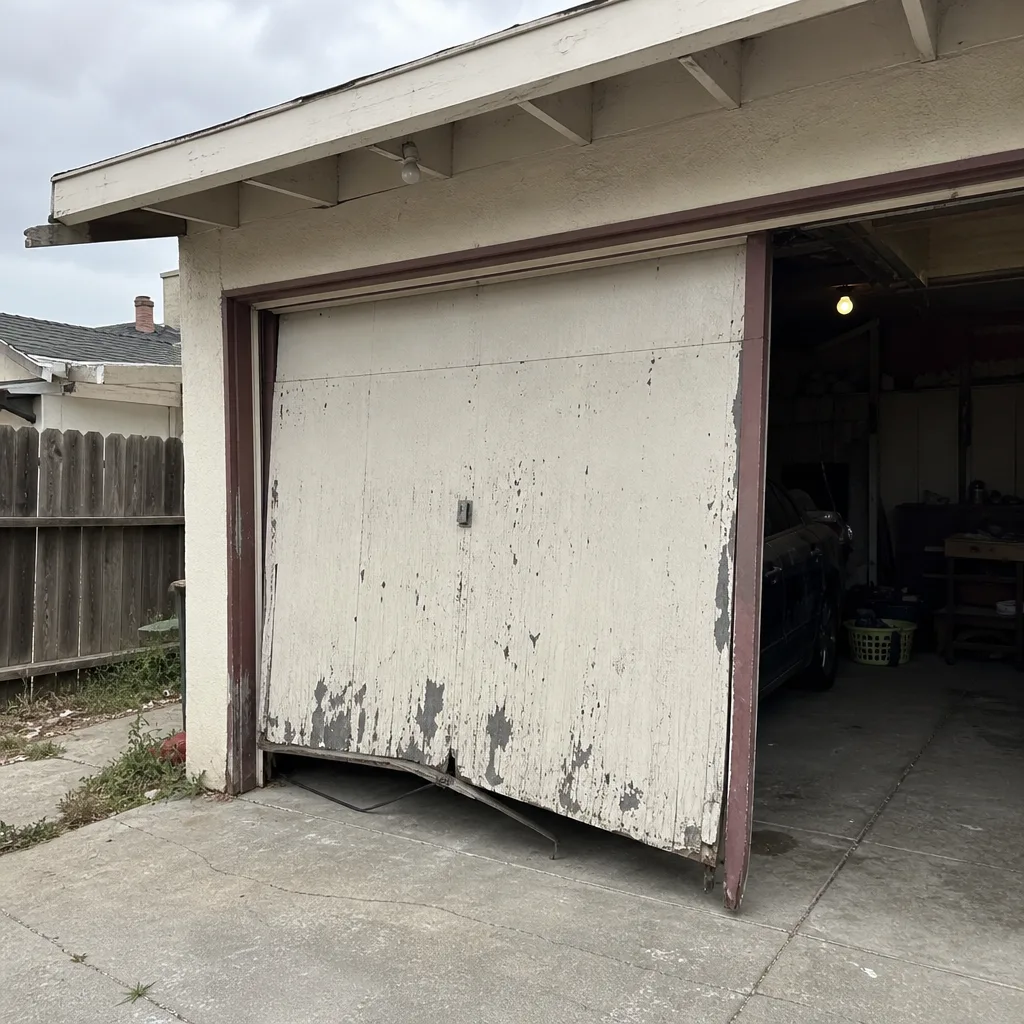 Before
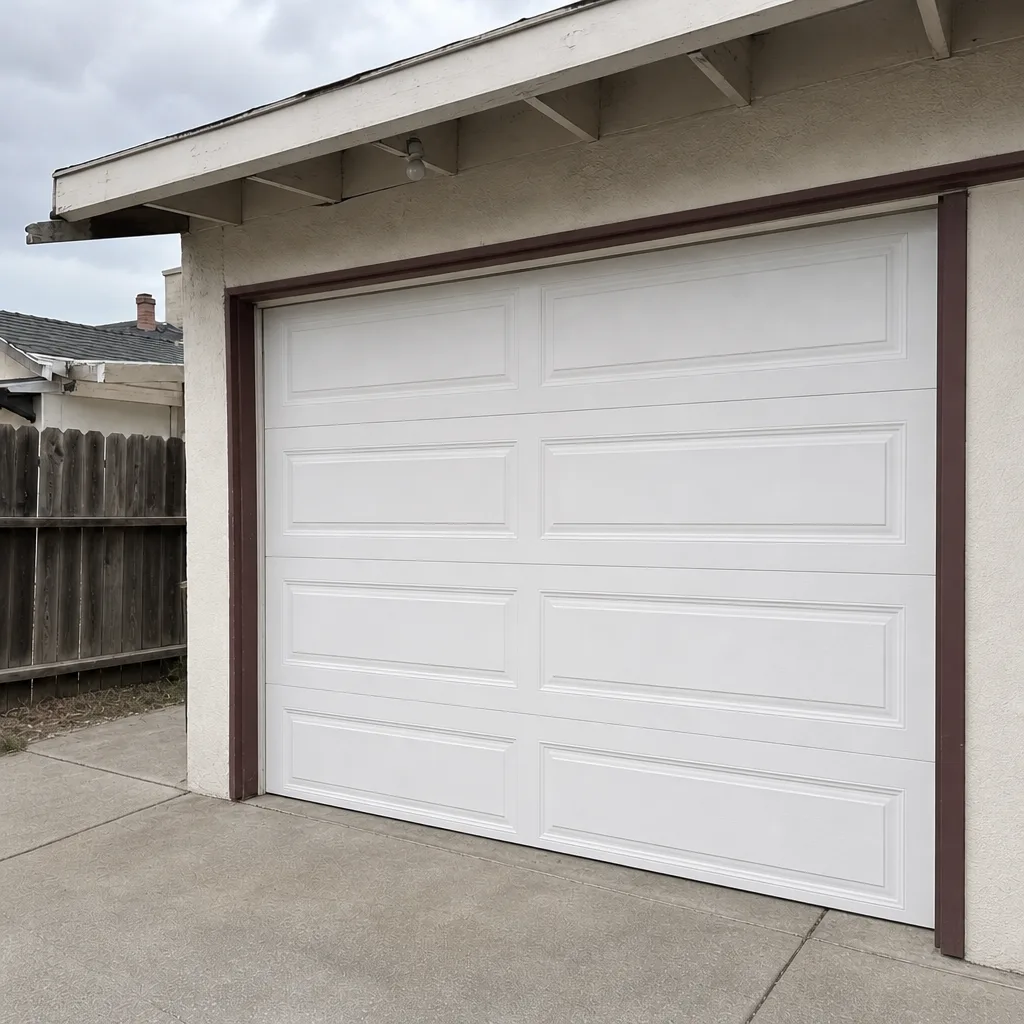 After
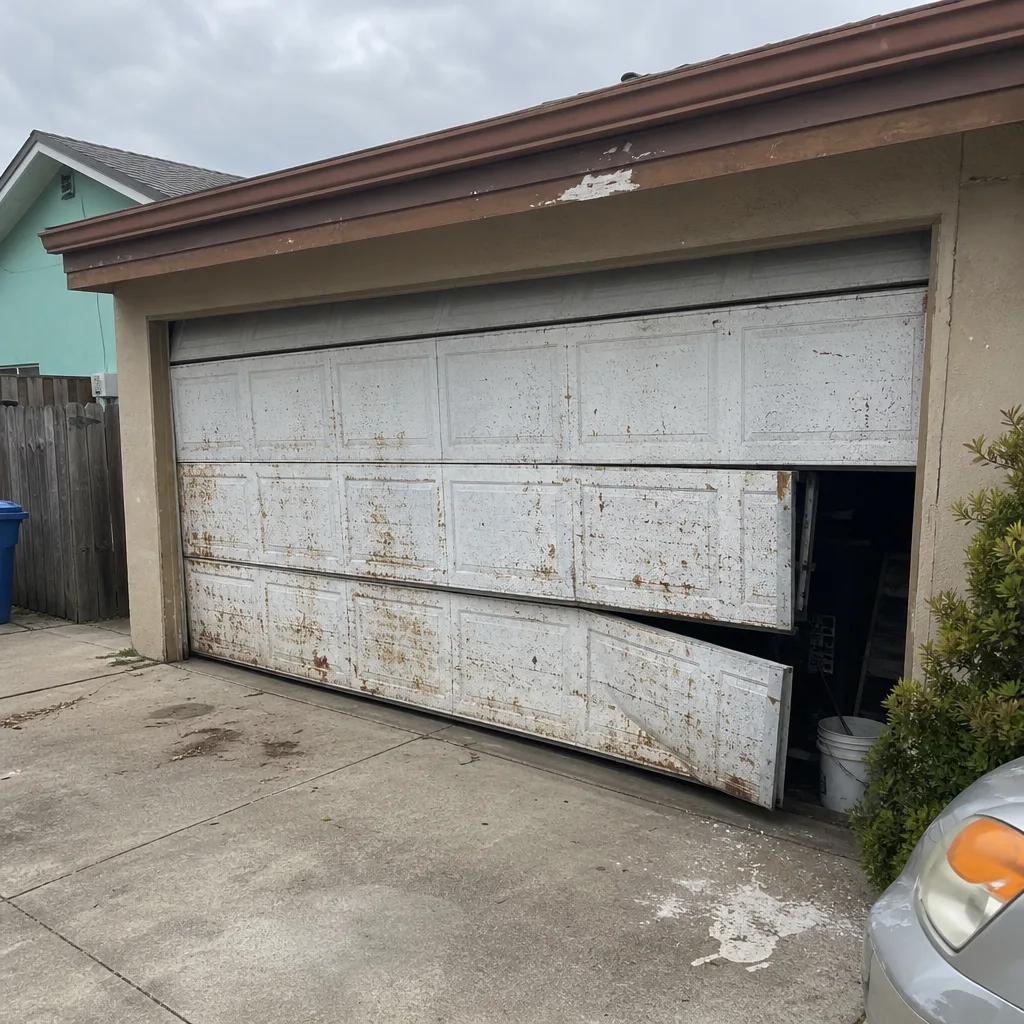 Before
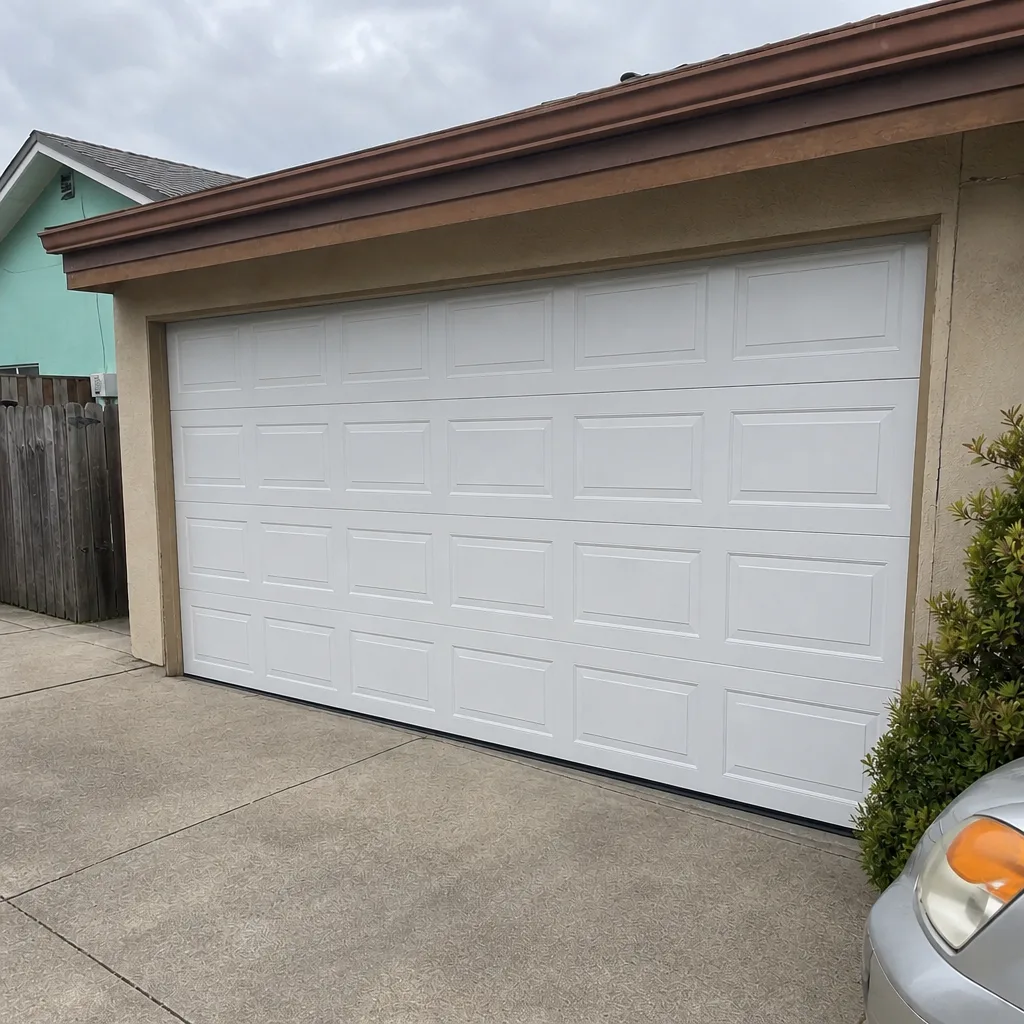 After
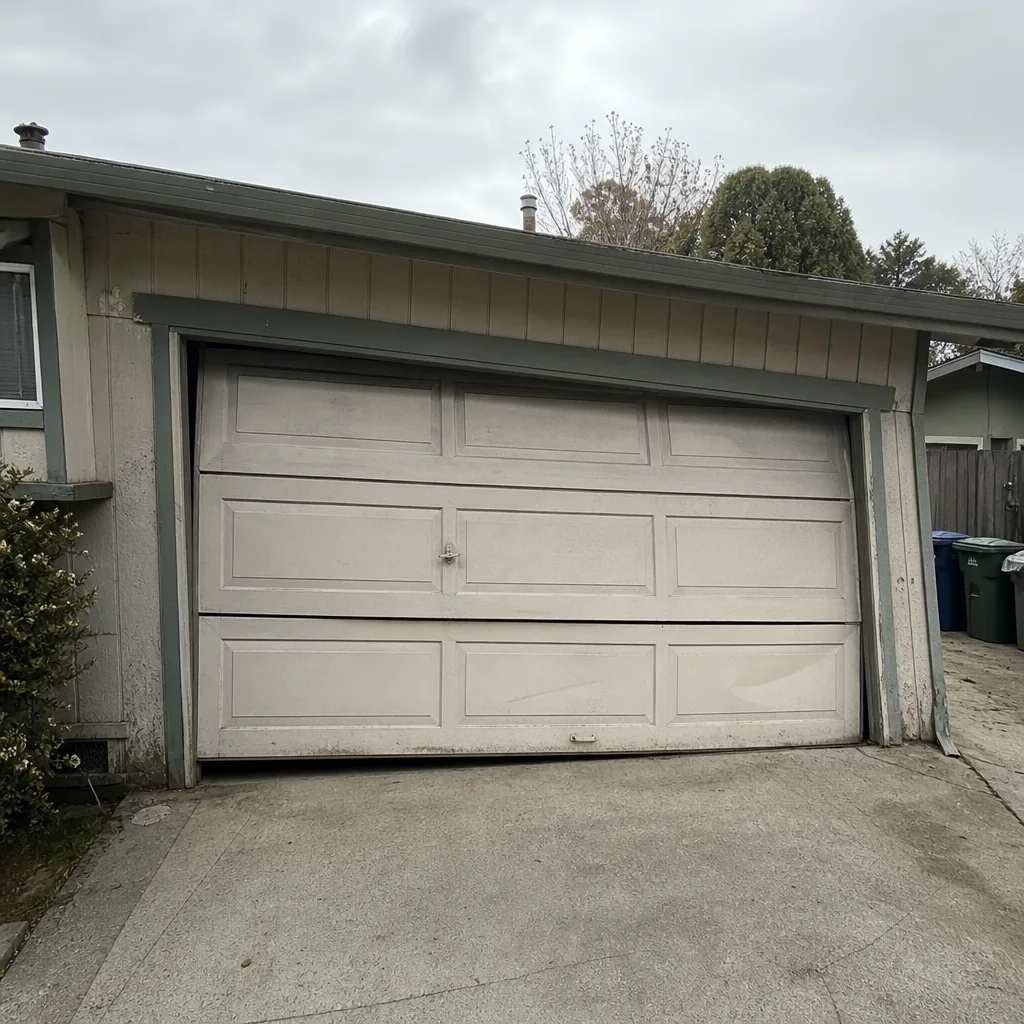 Before
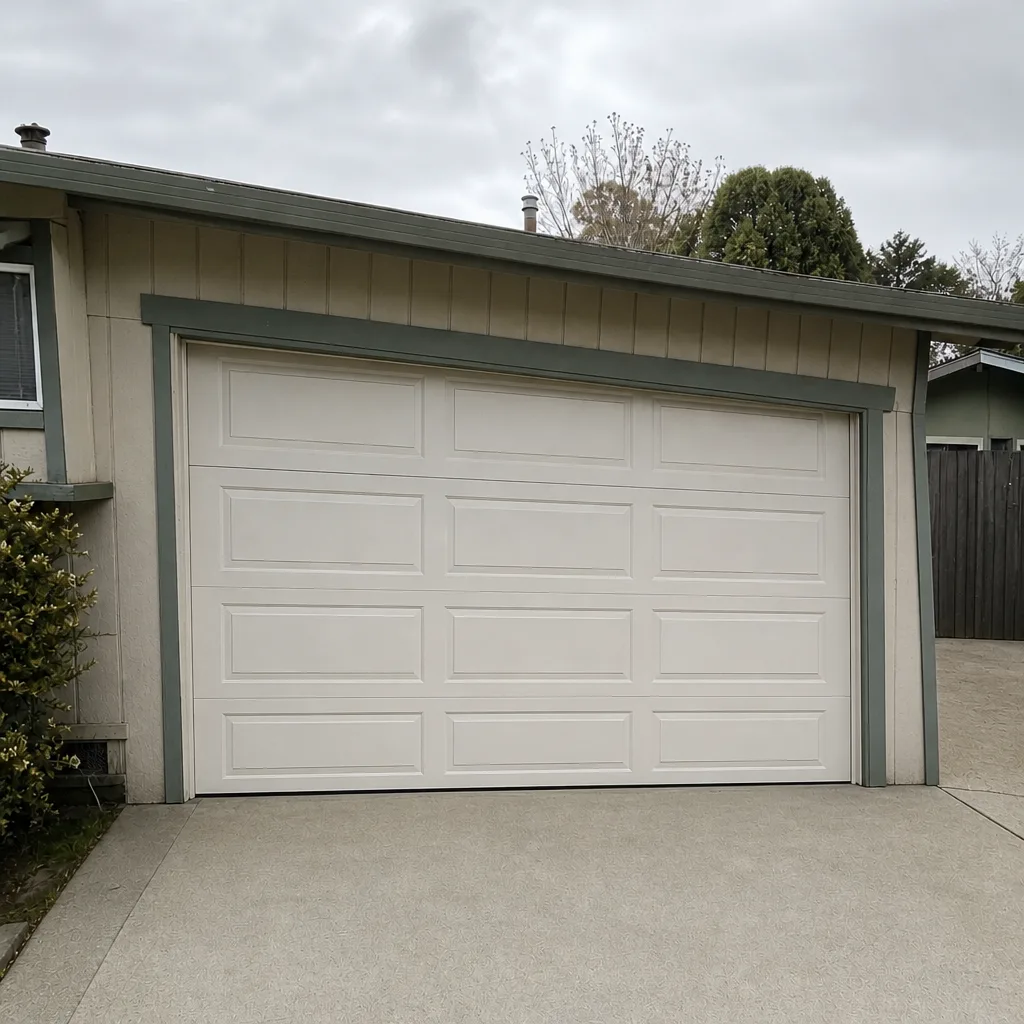 After
When to Call a Professional
Call a professional when the door binds or won’t open smoothly, when springs, cables or tracks are involved, or when a door reverses, stops partway or won’t close all the way. Rust that reaches the hinge pivot, a bottom seal that’s cracked through, and an opener that’s over a decade old and struggling are all worth a look before they get worse. Springs and cables are genuinely dangerous and should never be a DIY project. If you’re unsure, even a phone call to talk it through can save you money.
Fletcher Garage Door Repair offers free estimates in Salinas. We work on repair, opener repair and new installation with one company, so you don’t need to source a second contractor. Call (844) 482-7563. We answer 24/7. Fast dispatch from 7am to 7pm, Sunday through Friday. You get a written estimate before any work starts, so the price you agree to is the price you pay.
Frequently Asked Questions
Once a year is the general rule, with a light lubrication and visual check every six months. The damp overnight air in Salinas rusts hinges and rollers faster than drier inland climates, so the spring inspection matters more here. Call (844) 482-7563 for a free estimate if you’re unsure when you last had it checked.
Usually because the clay soil here shifts with the seasons and pulls the door frame slightly out of true. When one side of the opening heaves a fraction, the tracks go out of plumb and the door binds. A technician can check and correct alignment, and if the frame has moved enough that a repair permit applies, ask your city’s building department. Call (844) 482-7563 for an estimate.
Often, yes. Springs and cables are the most dangerous parts of a door, so we handle them rather than leaving it to you. Fast dispatch from 7am to 7pm, Sunday through Friday. Call (844) 482-7563 for a free estimate, and we’ll tell you what we can do today.
Pick the door by gauge, finish and fit, not by brand name. A 25- or 27-gauge steel door suits this climate well. Because we work across Raynor, Clopay and the other major brands, we can recommend what fits your garage rather than what’s on the truck. Call (844) 482-7563 for a free measure and written estimate.
No. We give you a written estimate before any work starts, and the final price is the price you agreed to. The quote is free. Call (844) 482-7563 to book an estimate.
For most everyday failures, yes: hinges, rollers, seals and common opener parts are on the truck. That’s part of the reason we treat repair and opener work as the same service, not two separate calls. Call (844) 482-7563 for a free estimate and we’ll tell you what’s needed.
The Bottom Line
Garage door advice from elsewhere doesn’t always fit Salinas. The damp overnight air rusts hinges and rollers; the clay soil pulls frames out of true; and the dry, windy summer wears finishes and seals. Choose a door by gauge and finish, keep the hardware lubricated, and get it checked once a year. Repair a part, replace a worn-out door. Whether your opener is a LiftMaster, Genie or Chamberlain, a technician who knows your equipment gets it right the first time. Fletcher Garage Door Repair has served this valley since 2015, and we know how a door here wears because we’ve watched it happen. If you’re in Salinas and want an honest look at your door, call (844) 482-7563. We answer 24/7. Fast dispatch from 7am to 7pm, Sunday through Friday. The estimate is free, and the written price is the price you pay.
Written by the team at Fletcher Garage Door Repair, serving Salinas since 2015.