
Last updated November 14, 2026
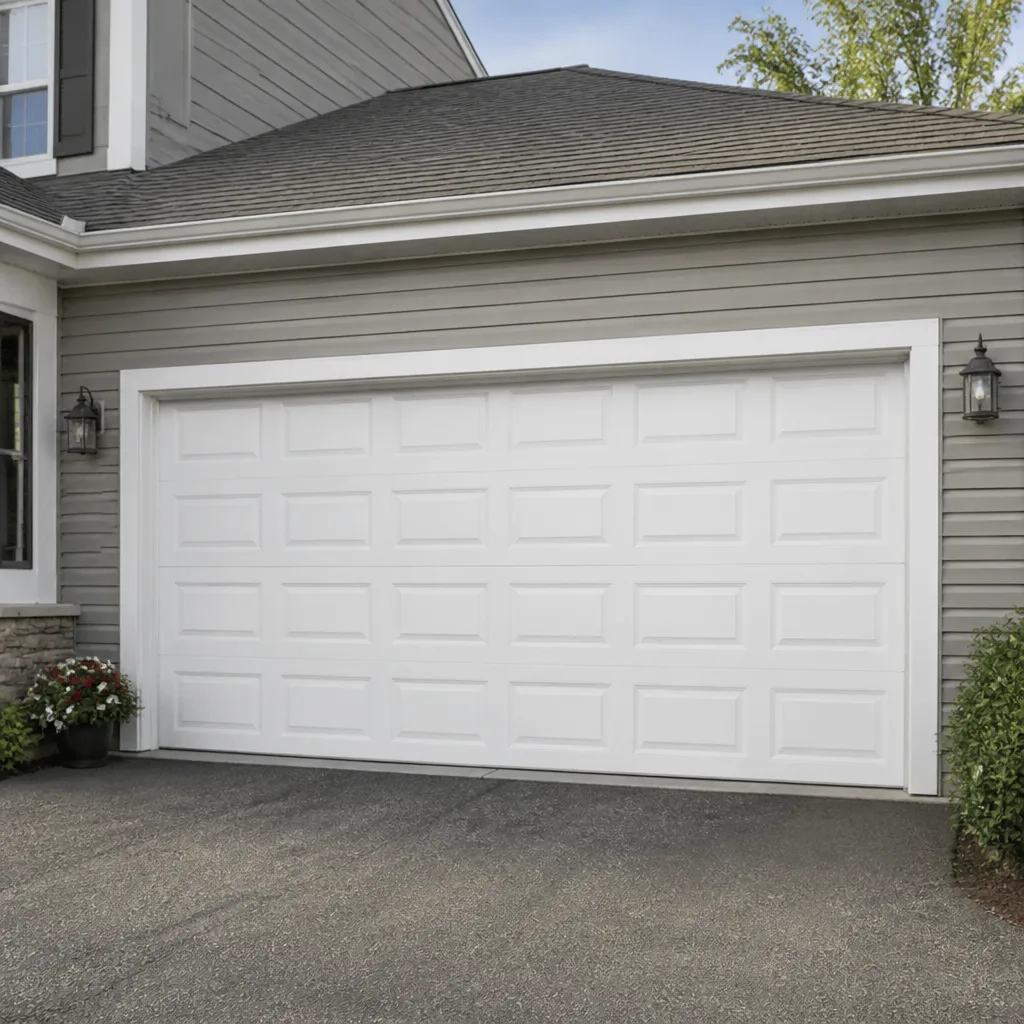 Raised-panel steel
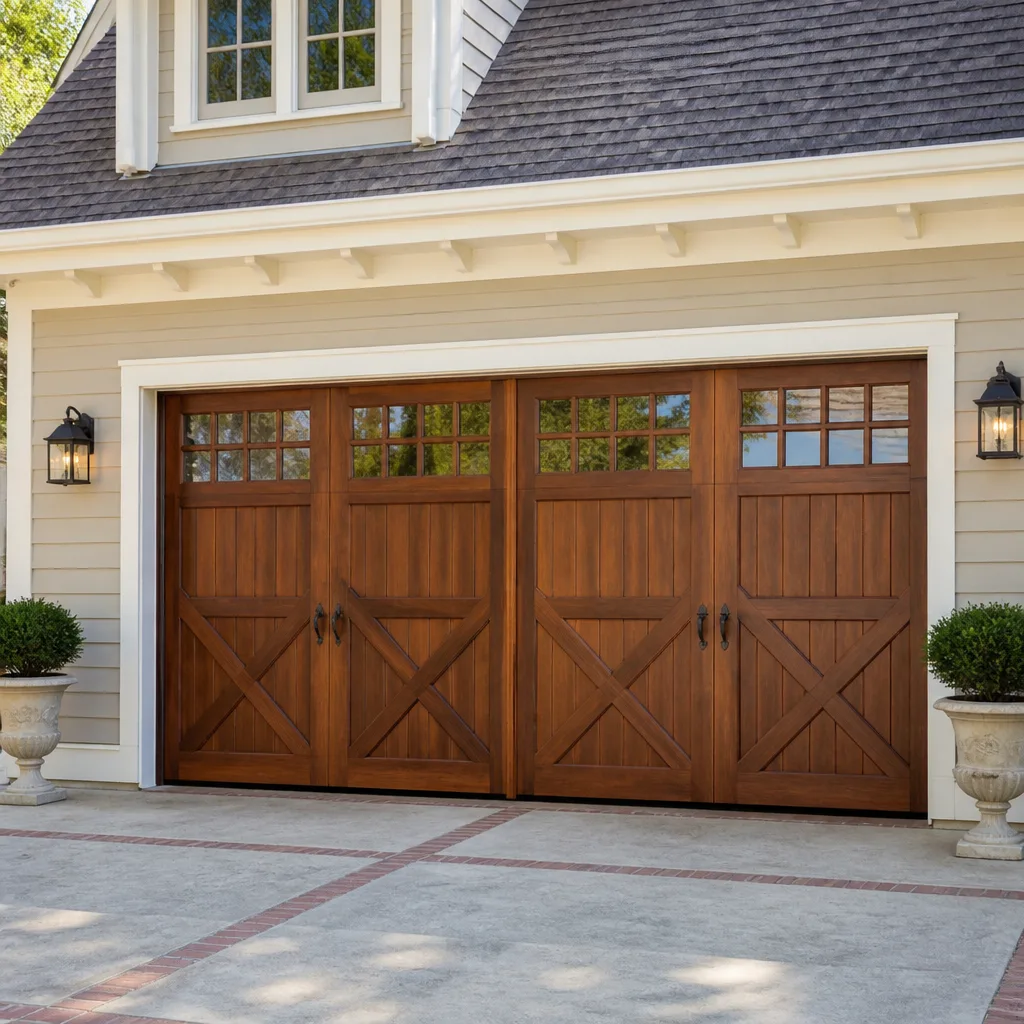 Carriage house
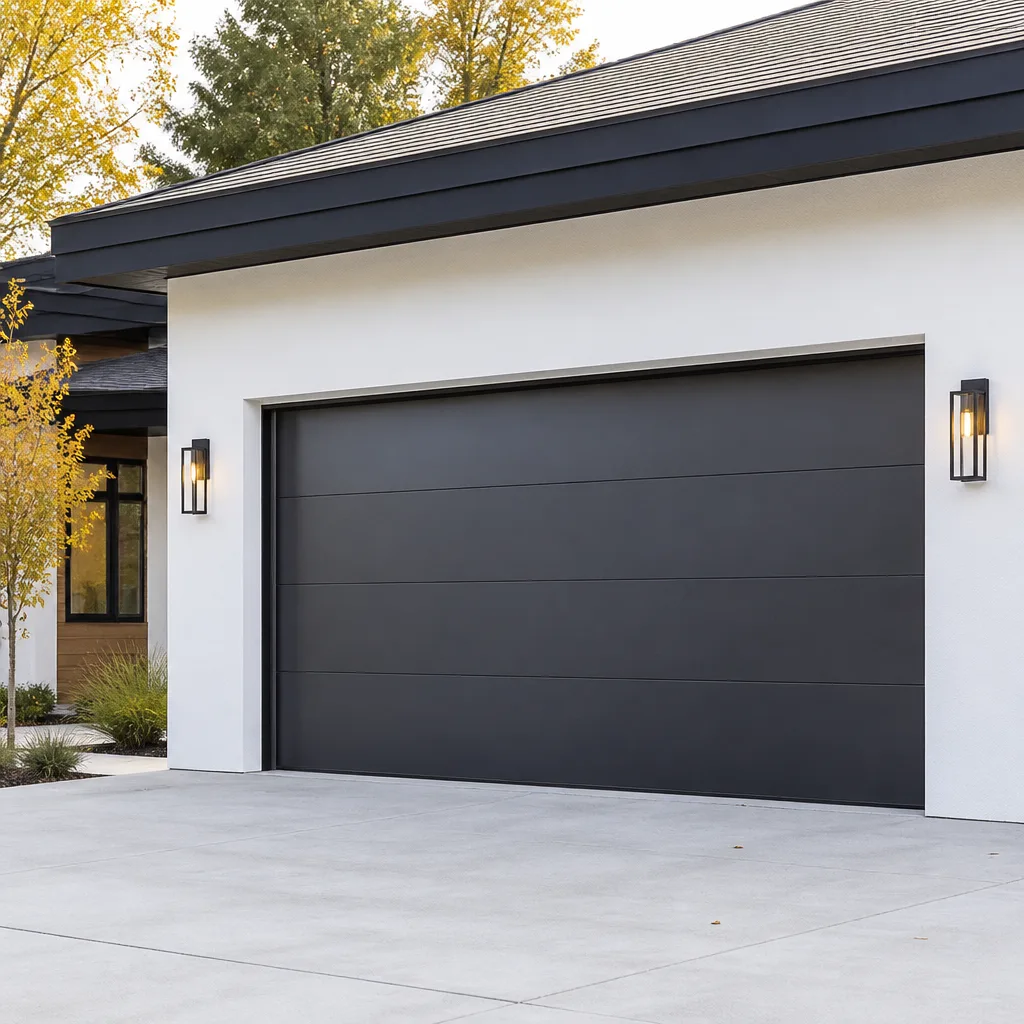 Modern flush
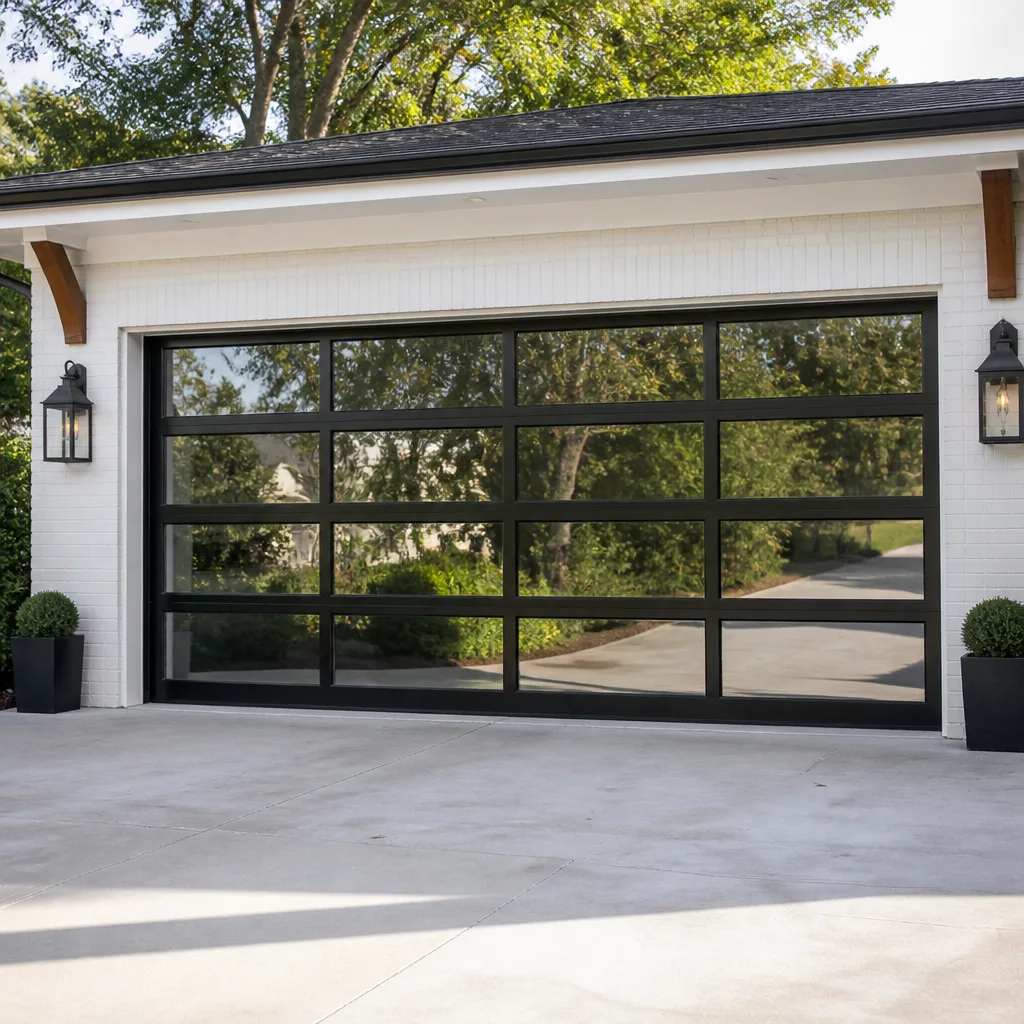 Full-view glass
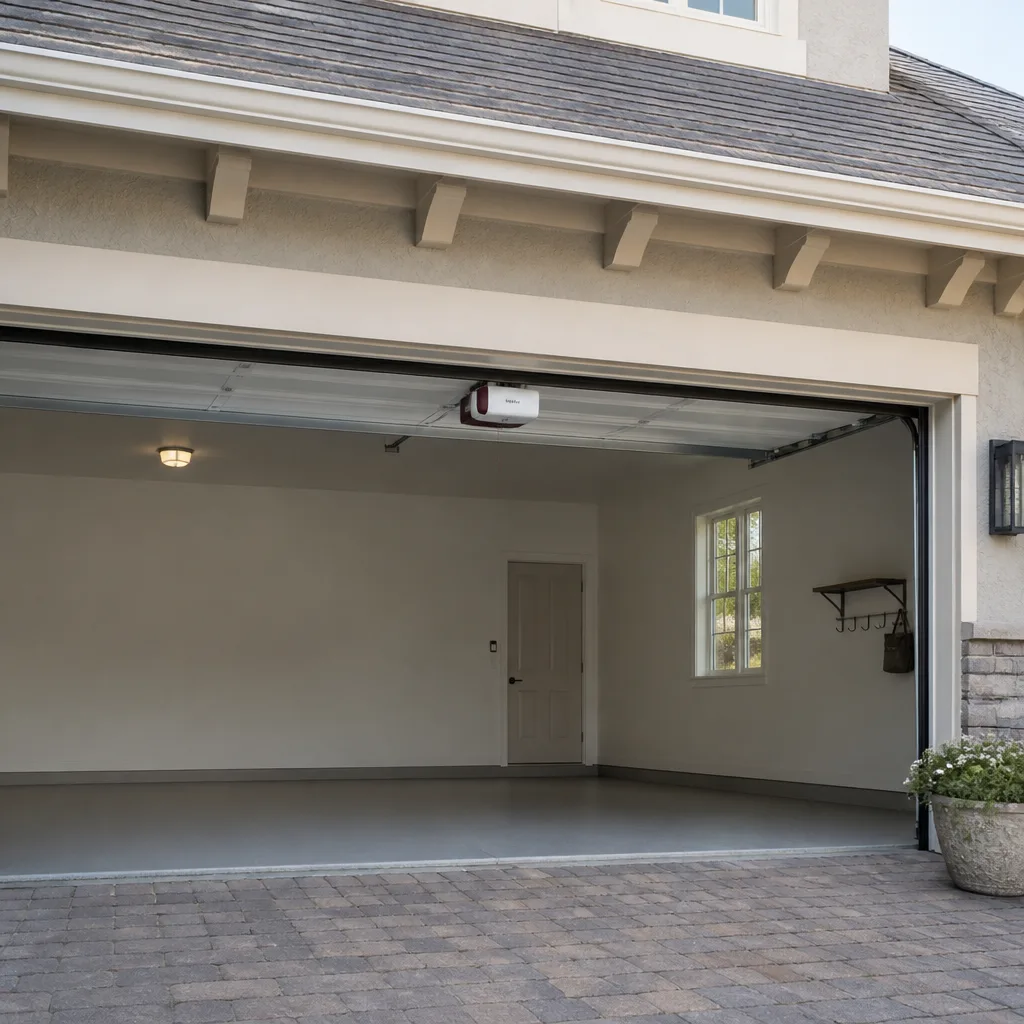 LiftMaster openers
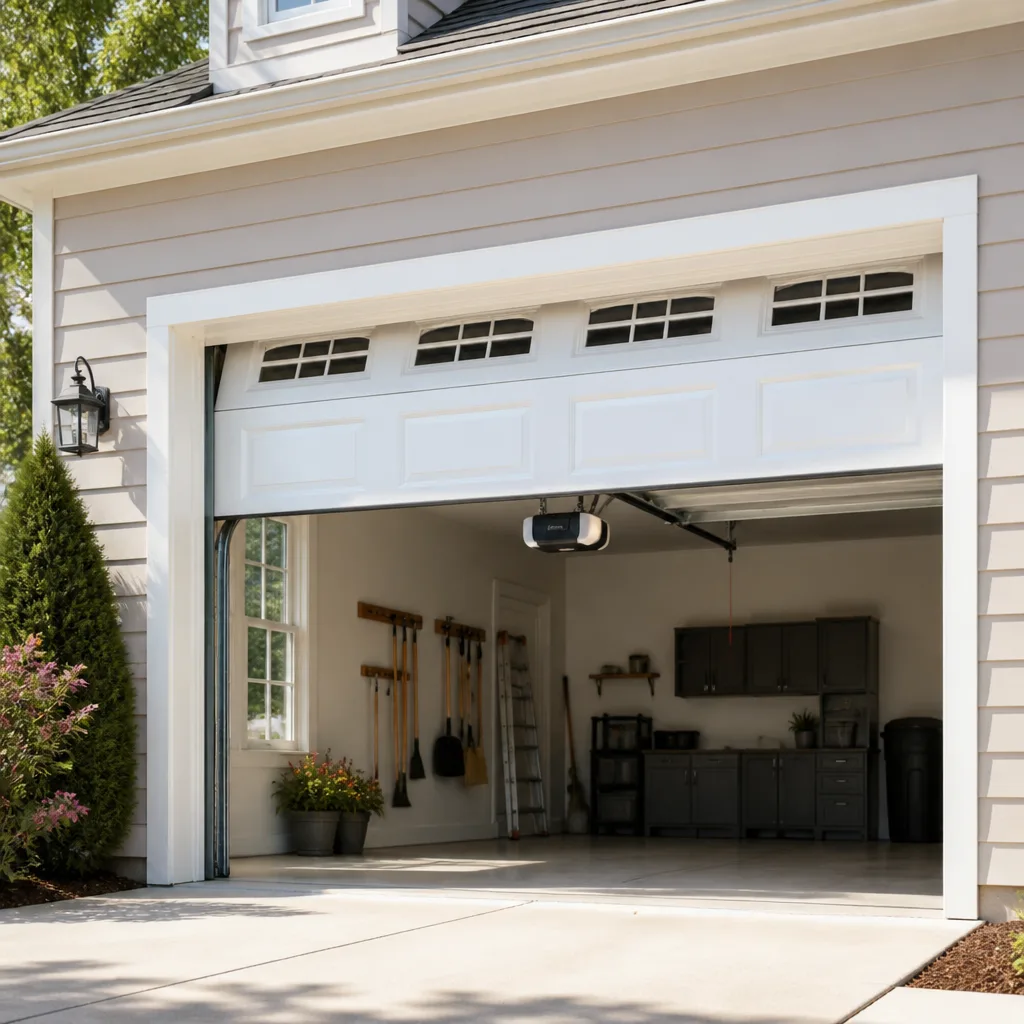 Chamberlain openers
Full 25-point door and opener safety check with every visit - springs, cables, rollers, tracks, and your LiftMaster or Chamberlain opener included
You get a price before we start. It does not change when the truck arrives.
Get your free estimateDIY vs Professional Garage Door: The Salinas Homeowner’s Decision Guide
Most homeowners assume garage door work is either all safe to do yourself or all too complicated to touch. The truth sits in three distinct buckets. A handful of adjustments are genuinely homeowner-safe, several repairs are possible for someone with real mechanical skill and the right tools, and a few jobs are professional-only no matter how handy you are. The dividing line isn’t confidence or a good tutorial. It’s physics, and one specific component hides enough stored energy to injure or kill. This guide walks through all three categories, the tools each one needs, how DIY mistakes tend to snowball, and what the honest cost math looks like for a homeowner in Salinas.
Quick Answer
Safety rollers, weather seals, remotes, and visual inspections are reasonable DIY projects. Spring, cable, and torsion work is not; those parts hold several hundred pounds of tension that can release instantly and without warning. Everything else sits in between: you can attempt it if you own the right tools and understand the mechanism, and calling a trained technician costs less than most people expect. For anything involving springs or cables in Salinas, hire a licensed professional.
Styles & brands we work with
- Raised-panel steel
- Carriage house
- Modern flush
- Full-view glass
- LiftMaster openers
- Chamberlain openers
Table of Contents
- Why Torsion Springs Are the Line Between Safe and Dangerous
- The Three-Tier Task Guide: Safe, Risky, Professional-Only
- The Tools Every Repair Category Requires
- How DIY Mistakes Compound from a Small Fix to a Big Bill
- Liability and Disclosure in California
- The Honest Cost Math: What DIY Actually Saves
- What Salinas Homeowners Should Know About Their Doors
- Your Monthly Two-Minute Safety Check
Why Torsion Springs Are the Line Between Safe and Dangerous
Torsion spring replacement is the one garage door job where watching a tutorial and proceeding anyway isn’t a skills question. It’s a physics problem. A torsion spring is wound under load to counterbalance a door that can weigh several hundred pounds, and the energy it stores is enormous. When a spring fails, that energy releases in an instant. People who do this work every day treat it with the caution it deserves, and they still use specific tools and containment techniques for the job.
Most garage door opens are either torsion-type (a horizontal spring assembly mounted on the header above the door) or extension-type (long springs that run parallel to the horizontal tracks). Both types store tension. Both types can hurt you. The extension style is somewhat easier to reason about, but it’s still not a task to attempt with a pair of pliers and optimism.
Here’s what changes when you call a professional for spring work. The technician knows the wire gauge and cycle rating the door needs. They know how many turns per inch is correct for that door’s weight. They have the winding bars, the containment straps, and the training to work safely. They also replace springs in matched pairs, which is what most doors need in practice. A single replacement spring is priced as one spring; a pair costs roughly twice that.
One caveat worth stating plainly. If you’re in doubt about whether the spring on your door is broken or just tired, don’t test it by hand. Call (844) 482-7563. We answer 24/7, and we can book a technician with fast dispatch from 7am to 7pm, Sunday through Friday.
The Three-Tier Task Guide: Safe, Risky, Professional-Only
Not all garage door repairs are equal. We split every common task into one of three buckets so Salinas homeowners can make a clear call without guesswork.
Tier 1: Safe DIY
These jobs use basic hand tools and don’t put you near loaded parts.
- Replacing nylon safety rollers (the smooth, quiet kind that sit inside the track)
- Swapping weather seals along the bottom or sides of the door
- Replacing remote batteries and re-pairing remotes
- Clearing debris and grease from the track by hand, with the door in the down position
- Adjusting a wall-mounted push button or keypad
- Lubricating hinges, rollers, and tracks with a proper door lubricant
Tier 2: Risky DIY (real mechanical skill required)
These repairs need the right tools, an understanding of how the door mechanism works, and a comfort level with working near the door. If you’re missing any of the three, don’t attempt them.
- Adjusting the opener’s travel limits and force settings
- Replacing bottom brackets and their safety cables on extension-spring doors
- Replacing a bent or dented section on a multi-panel door
- Realigning a track that has moved half an inch or less
- Replacing hinges and bearing plates on a sectional door
Tier 3: Professional-Only
These jobs involve stored tension or overhead weight above safe reach. A trained, insured technician should do them every time.
- Torsion spring replacement (any size, any door)
- Extension spring replacement (tension is the issue)
- Replacing the cables that lift the door
- Rewinding or adjusting a torsion spring after a door has been lowered
- Replacing a broken cable drum
- Replacing a snapped torsion tube or center bearing plate
- Any repair on a door with a rusted torsion spring or visibly sagging sections
If your door creaks, sticks, or won’t open smoothly, the diagnosis matters more than the repair. A trained technician can identify whether you’re facing a Tier 1 job or a Tier 3 hazard in a few minutes, and can point you to the right fix. Our garage door repair service handles all three tiers, and our garage door opener repair team covers opener-specific issues separately.
The Tools Every Repair Category Requires
Tools are where novice DIY projects quietly fall apart. A homeowner who doesn’t own the right tool often borrows a “close enough” substitute from a neighbor, and close enough is the phrase that opens the door to a bigger problem.
Tools for Tier 1
- Adjustable wrench
- Screwdriver set (Phillips and flathead)
- Pliers (standard grip)
- Work gloves
- Garage door lubricant spray
Most homeowners already own these. If you don’t, borrowing from a neighbor is completely reasonable for this category.
Tools for Tier 2
- Drill with the right bits for your door’s fasteners
- Socket wrench set in the sizes that match your hardware
- Rubber mallet
- C-clamps to hold a door section steady while you work
- A level (for track alignment)
- Vice grips for holding hardware in place
If you don’t own these and don’t plan to use them again, their cost usually exceeds what a technician charges for the same repair.
Tools for Tier 3 (do not borrow these)
- Winding bars in the correct diameter for your spring
- Containment straps (for torsion springs)
- Safety glasses with side shields
- Shoulder-height work platform rated for your weight
- Knowledge of your door’s spring wire gauge and the correct IPPT (inches per turn)
This is the category where not owning the tools is itself the reason to call. A homeowner can improvise a winding bar by grinding down another piece of steel; what they can’t improvise is a physics calculation, containment practice, and insurance coverage if something goes wrong.
How DIY Mistakes Compound from a Small Fix to a Big Bill
Most expensive garage door repairs we see didn’t start expensive. They started small, went wrong quietly, and compounded over days or weeks. Here’s the typical sequence.
- A homeowner adjusts the opener’s travel limit after the door starts stopping an inch short of the floor. The limit adjustment is a Tier 2 job, and getting it wrong is easy: five minutes of fiddling and the door is closing too far.
- The door closes past the floor because the limit is set too low. The bottom seal compresses hard against the concrete, and the door mechanism flexes slightly each time it closes.
- The bottom section bows out over a few weeks. The force setting is now working harder than it should because the door isn’t traveling smoothly to its stop.
- The lift cable starts rubbing the guide bracket, or the bottom bracket pulls slightly on the cable. The cable is now under added tension.
- The track slowly bends as the door racks slightly on every cycle. A bent track makes the rollers bind, which adds drag, which strains the opener.
- The opener’s gear or sprocket wears out from fighting a door it was never designed to fight. Now you’re pricing an opener replacement on top of the track repair and the panel replacement.
We’ve seen this sequence many times on doors across Salinas. The original problem was a $0 DIY adjustment. The end result is often three repairs instead of one. That’s why “start small, know when to stop” is worth taking seriously. If your adjustment trial makes things worse, stop and call.
Liability and Disclosure in California
DIY garage door repairs have two liability questions that most guides skip. The first is obvious: what happens if a family member gets hurt? The second is quieter: what happens when you sell the house?
On the first, the answer depends on your homeowner’s insurance policy, and there’s no standard answer across all carriers. If a family member is injured by a spring, cable, or opener that was improperly repaired by a non-professional, the carrier may treat it as a homeowner-caused condition rather than a covered loss. That distinction can affect whether medical payments or liability coverage applies. Read your policy or ask your agent for the specific language before you take on a Tier 2 or Tier 3 repair.
On the second, the disclosure question is real. In California, sellers complete a Transfer Disclosure Statement that requires disclosure of known material defects and certain work done on the property. If a garage door spring, cable, or opener has been replaced by a non-professional, that fact can come up during a home inspection. An inspector who spots a spring with the wrong wire gauge, a track that’s out of plumb, or a non-compliant bottom bracket can flag it as a safety concern, and the repair becomes a negotiation point at the closing table. A licensed professional repair leaves a paper trail a buyer’s inspector can verify.
Neither of these points means you should never touch your own door. Both mean the cost of an improper repair isn’t limited to the repair itself. If your door has been previously worked on and you’re unsure of the state of the springs or cables, a trained technician can look and give you a straight answer.
The Honest Cost Math: What DIY Actually Saves
This is where the DIY-vs-professional debate usually loses its honesty. Most comparisons stop at the price of parts vs. the price of a repair call. The real math looks broader.
- Tools. If you don’t already own the Tier 2 tools, their one-time cost frequently exceeds what a licensed technician charges for the same repair.
- Parts markup. Homeowners pay retail for a replacement spring, cable, or panel. A technician buys at trade prices and often passes some of that through. The gap on a spring set alone can be meaningful.
- Time. A trained technician completes a spring replacement in a fraction of the time it takes a first-timer working slowly with borrowed tools. Time has a real cost when you’re using vacation hours.
- Callback repairs. This is the number most DIY guides avoid. A large share of DIY garage door jobs in practice require a professional follow-up because the door isn’t balanced, doesn’t seal, or the opener force setting got misadjusted. The final cost is your parts, your tools, your time, plus the professional repair on top.
- Panel replacement. One misadjusted limit switch can bow a bottom panel enough that it needs to be replaced. That turns a simple adjustment into a $200-$500+ panel job depending on the door.
Add those up and DIY’s savings shrink or disappear on everything except the genuinely safe Tier 1 tasks. For those (weather seals, safety rollers, remote pairing, lubrication), DIY is a real, repeatable savings. For Tier 2 and Tier 3, the savings are often theoretical, and the risk side of the ledger is where the loss shows up.
If you want a comparison for your specific door, we’ll give you a free estimate. There’s no obligation and no trip charge. Call (844) 482-7563. Fast dispatch from 7am to 7pm, Sunday through Friday.
What Salinas Homeowners Should Know About Their Doors
Salinas sits in a valley with a warm, dry summer and a mild, damp winter. The pattern is gentle compared to colder climates, but it isn’t static.
Warm-season heat expansion. Summer afternoons in Salinas regularly push garage doors through expansion and contraction cycles. Sections that fit tightly in January sit a little looser in July, which is why a door that worked fine in spring can start sticking on its track by late summer. Track alignment issues are more likely to show up in July and August than in February.
Spring and fall dampness. Winter moisture in the valley doesn’t cause freeze problems, but it does shorten the life of steel hardware. Hinges, roller stems, and track screws can start to rust from the inside out if they don’t get lubricated a couple of times a year. A quick spray with the right lubricant in October and March goes a long way.
Single-family homes across Salinas. Many houses in neighborhoods like South Salinas, the Alisal, and Santa Rita have older garage doors that have cycled tens of thousands of times. Doors that age deserve a yearly spring inspection, not because Salinas is unusually hard on doors, but because every cycle counts and spring fatigue is cumulative.
Baseline weather sealing matters. Western Salinas sits in the wind corridor from the Salinas Valley, and a worn bottom seal lets in more dust and heat than homeowners expect. Seals are a Tier 1 job, and a good one is worth replacing every few years.
Opener complexity. Newer openers in Salinas homes, whether LiftMaster, Chamberlain, Genie, Craftsman, Amarr, Wayne Dalton, or Raynor, carry Wi-Fi, battery backup, camera integration, and smartphone control. Those are no longer “set and forget” systems, and diagnostics need someone fluent in the specific equipment. You can always call our team at Salinas or read more about Fletcher Garage Door Repair for the full range of what we cover.
Your Monthly Two-Minute Safety Check
A short monthly check catches most issues before they become repairs. It’s free, it’s safe, and it’s a habit worth locking in.
- Stand outside the door and look at it from the center of the driveway. Are the horizontal tracks level and parallel? Are the panels even?
- Disconnect the opener (pull the red release handle) and lift the door by hand to about waist height. A properly balanced door stays put. A door that drifts down means the springs are already tired.
- Check the safety reverse feature. Lay a two-by-four flat on the floor under the door and press the wall button. The door should reverse immediately on contact. If it doesn’t, stop using the opener and call.
- Look at the springs. Any visible gap in a torsion spring means it’s broken and should never be operated. Any rust visible on the surfaces means corrosion has started.
- Listen. Grinding, squealing, or popping from the opener or the tracks is a signal, not a personality trait.
- Test the photo-eye safety sensors at the bottom of the tracks. Wave an object through the beam while the door is closing; it should reverse.
None of these steps put you in contact with a loaded spring or cable. All of them catch problems early. If the check turns up something you’re not sure about, that’s the moment to call, not the moment to try a quick fix first.
Common Mistakes to Avoid
- Treating a spring replacement as a YouTube task. The tutorial shows the process. It doesn’t show the physics of a spring releasing under load, or how the technicians in the video have done this hundreds of times with specialized tools.
- Adjusting the opener force setting to compensate for a stiff door. The force setting is a safety feature, not a workaround. Turning it up to push through binding tracks is how openers wear out and doors fall.
- Using an extension-spring tool on a torsion door (or the reverse). The two spring types require different tools and different techniques. Improvising on either is the leading cause of homeowner injuries reported on these repairs.
- Skipping lubrication. Salinas winters are damp enough that hinges and roller stems rust quietly between seasons. A quick lubricant pass twice a year prevents most squeaks and premature hardware wear.
- Not testing the safety reverse after every adjustment. Any time you touch the opener’s limits or force settings, test the safety reverse immediately. It’s the most important feature on the system.
- Buying a replacement spring based on door width alone. Springs are matched to door weight, which changes with insulation, glass, and material. Ordering by measurement gives you a spring that will work for a while and then fail early.
- Using a general handyman for Tier 3 work. A handyman who does occasional garage door repairs may not carry the winding bars, straps, or insurance coverage for spring work. If they don’t, you’re the one who carries the risk.
See the difference
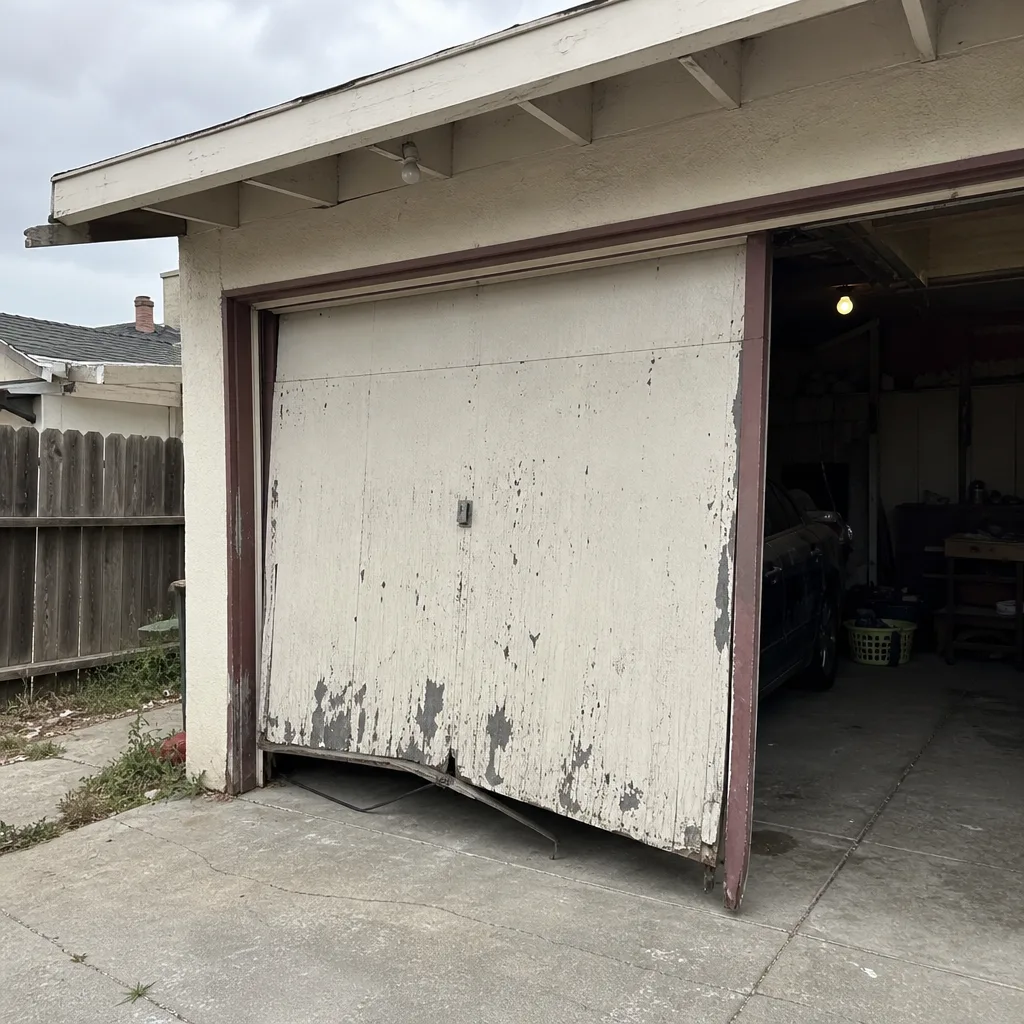 Before
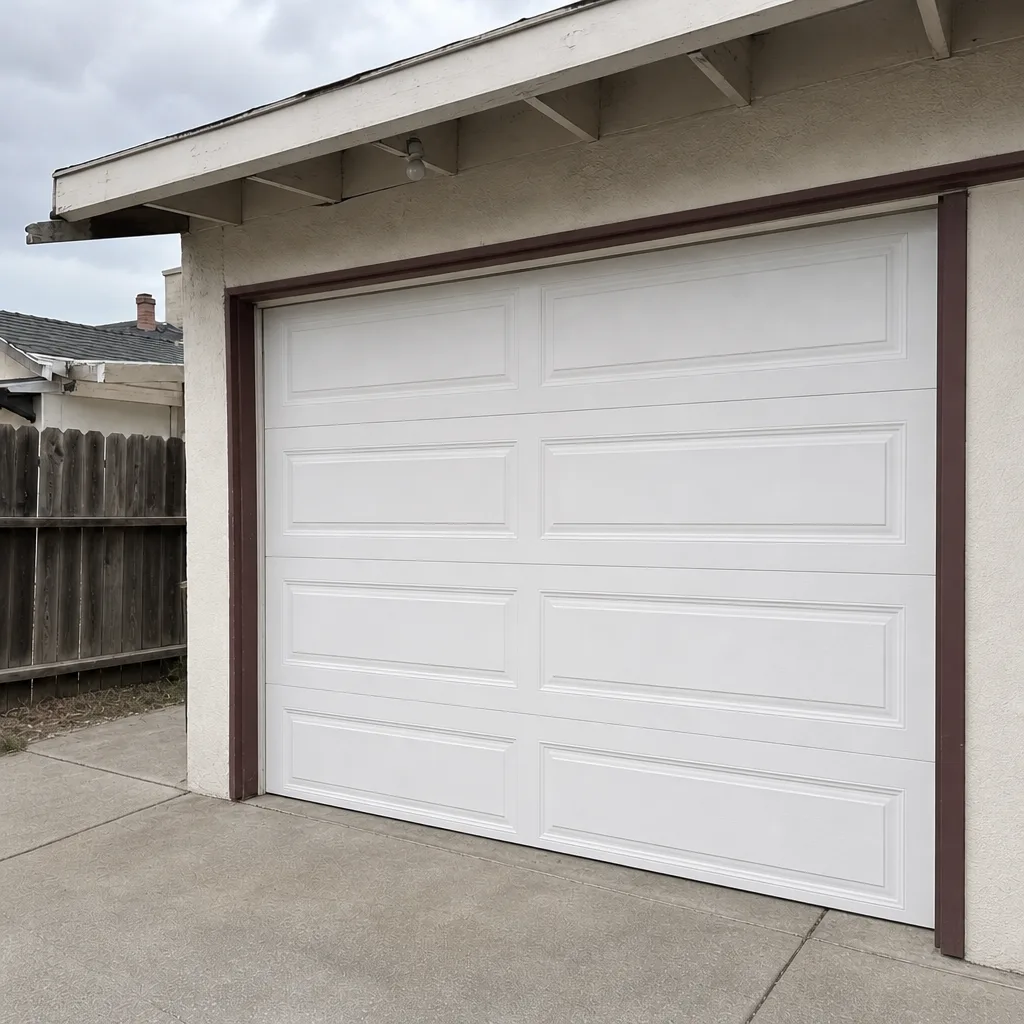 After
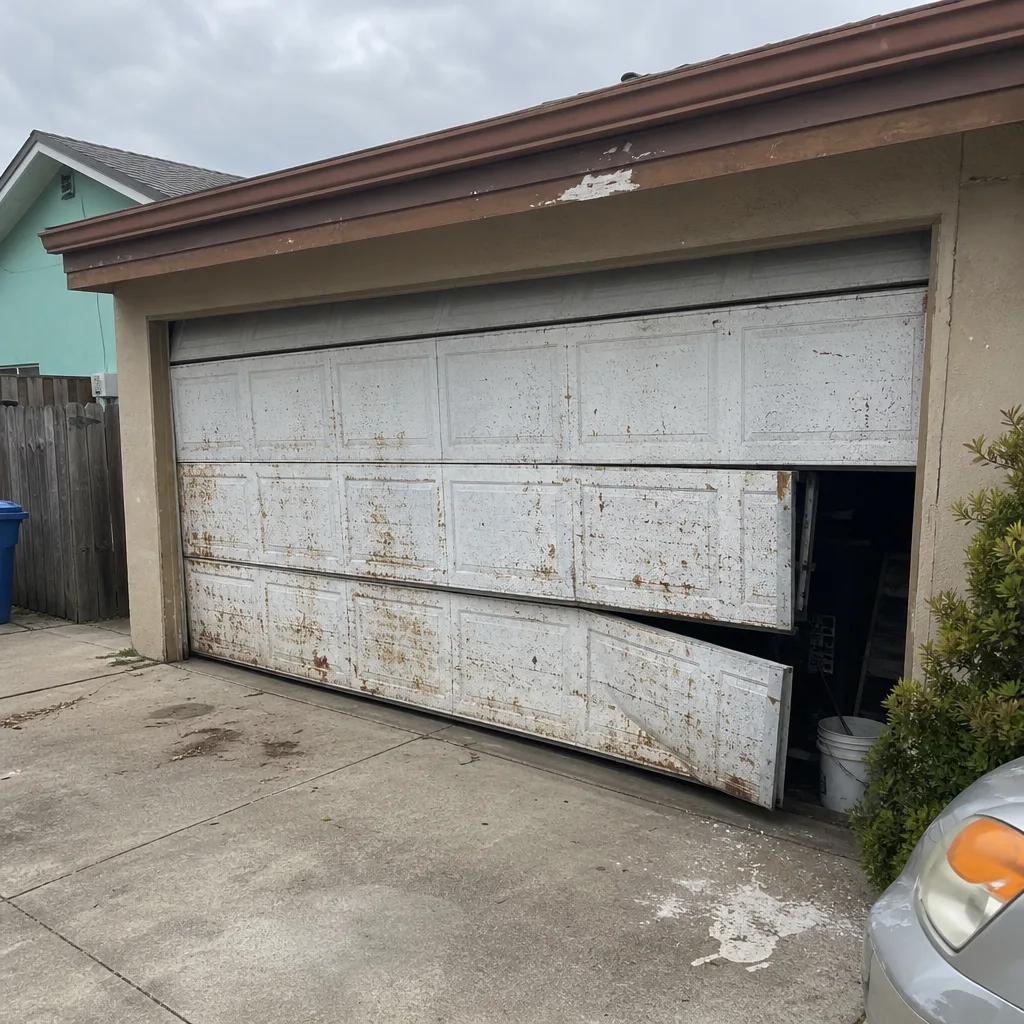 Before
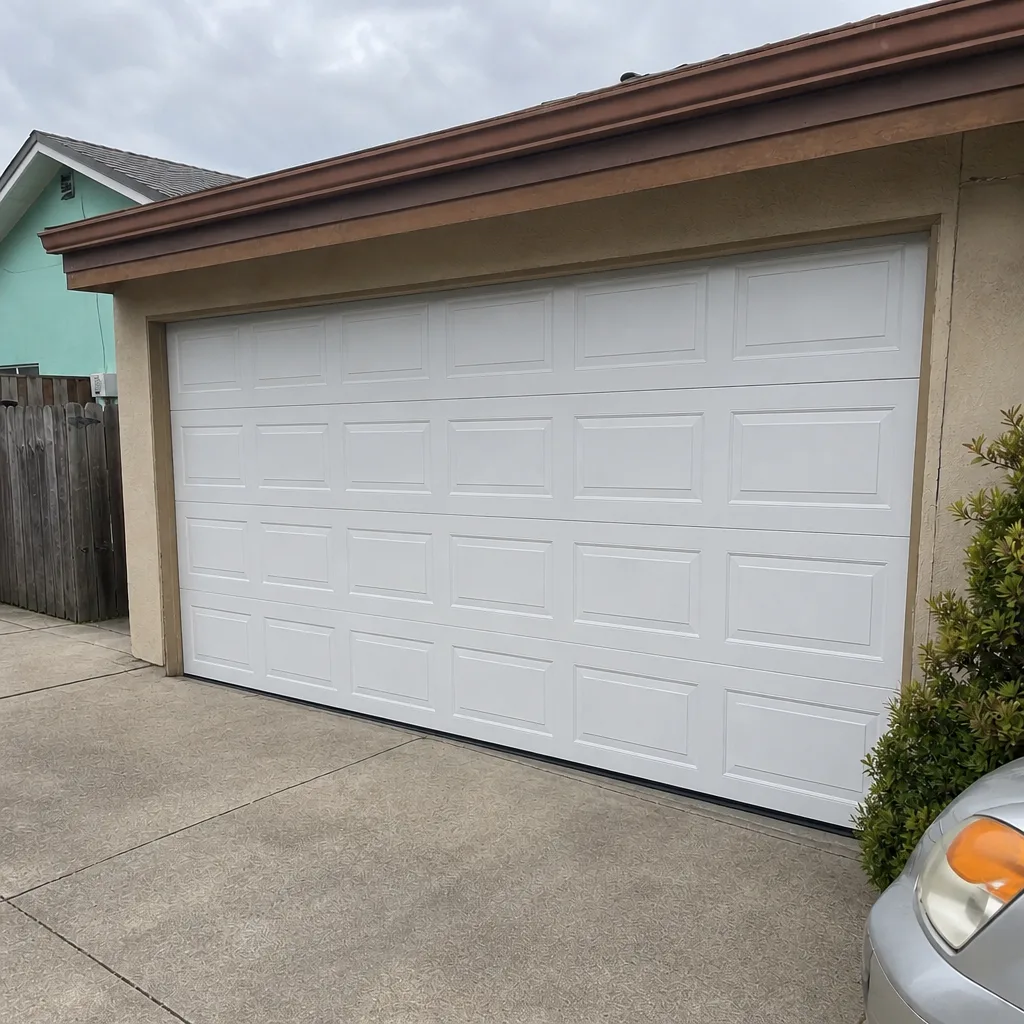 After
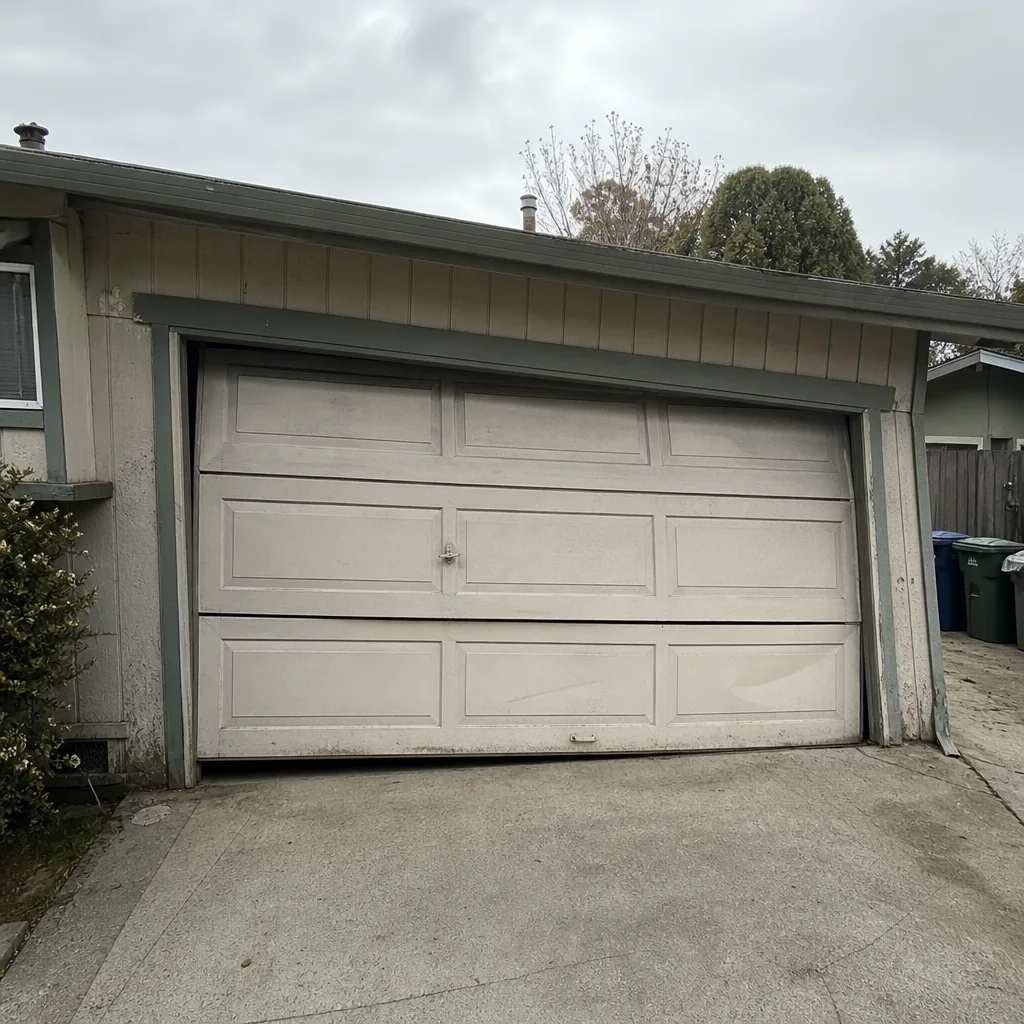 Before
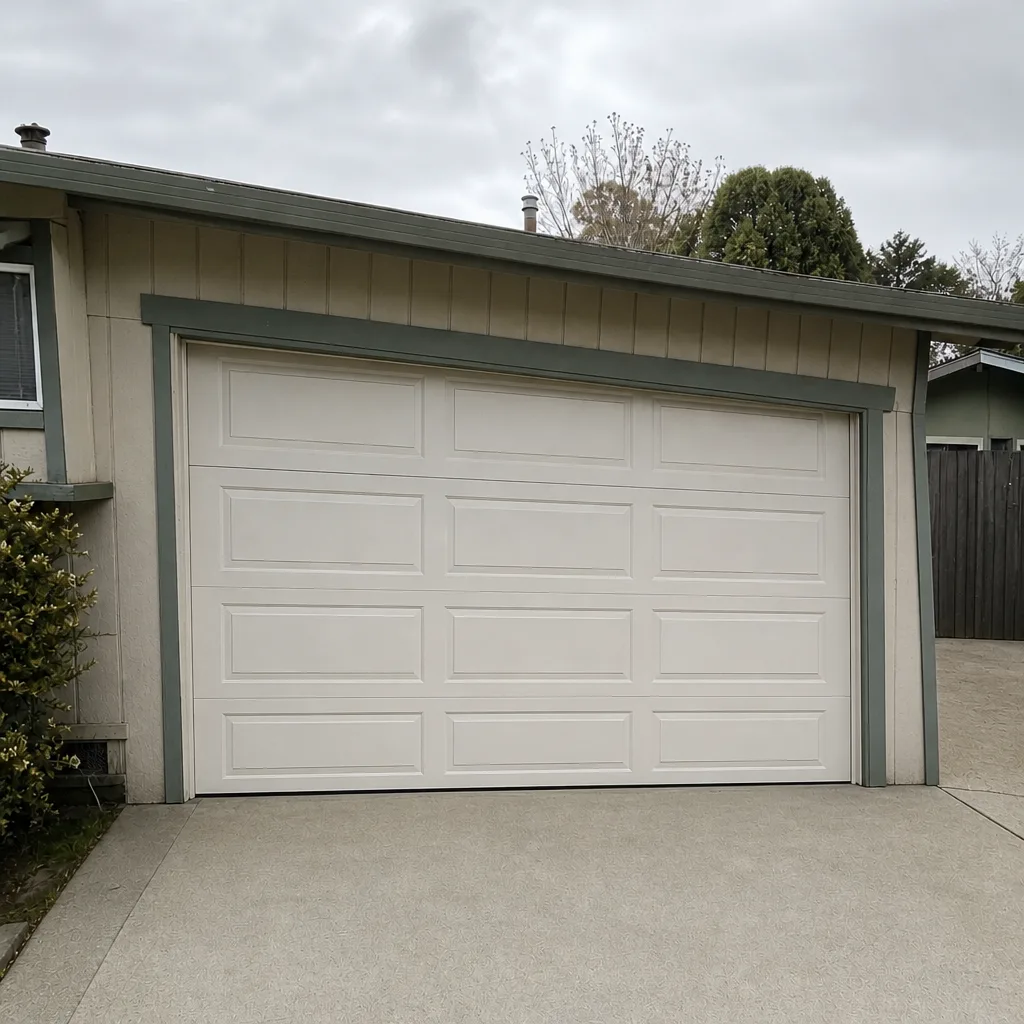 After
When to Call a Professional
Call a professional for anything involving springs, cables, drums, or a door that isn’t staying put when you lift it by hand. Call if the door is out of balance, if the opener doesn’t reverse on contact, or if a repair you attempted made things worse. Call if your door has been previously worked on and you aren’t sure how. Call if you’re moving and need a paper trail for the disclosure. Call if the brand is unfamiliar. Call if the door is old enough that the springs have cycled tens of thousands of times. Fletcher Garage Door Repair offers free estimates in Salinas. We work on LiftMaster, Chamberlain, Genie, Clopay, Amarr, Wayne Dalton, Craftsman, and Raynor equipment, and our technicians arrive already familiar with your door and opener rather than looking it up on site. Call (844) 482-7563. We answer 24/7, and fast dispatch runs 7am-7pm, Sunday through Friday.
Frequently Asked Questions
No. Torsion and extension springs both store enough energy to cause serious injury or death, and the tools and techniques required aren’t available to the average homeowner. Call (844) 482-7563 for a free estimate. We answer 24/7, and fast dispatch runs 7am-7pm, Sunday through Friday.
A single spring is typically priced as one spring, with a matched pair costing roughly twice that. Exact pricing depends on the door’s weight, the spring type, and the make. The written estimate sets the final price, and estimates are free. Call (844) 482-7563 to get one.
It can be, if you understand how the limits, force, and safety reverse interact and you test the reverse feature immediately after any change. Mistakes here bow bottom panels and wear out openers. If you aren’t sure, this is the point to hand it to a technician rather than guess.
Weather seals, nylon safety rollers, remote batteries and pairing, cleaning tracks with the door down, lubricating hinges, and replacing a wall push button or keypad. All use basic hand tools and don’t put you near loaded parts. If a repair needs you to touch a spring, cable, or bottom bracket, it belongs in the professional category.
It depends on your policy and how the injury happened. Some carriers treat injuries from non-professional repairs differently from accidents under normal conditions. Ask your insurance agent before taking on any repair that involves loaded parts, and consider having a licensed technician handle anything beyond the safe DIY list.
It can. California sellers disclose known defects and certain work on the Transfer Disclosure Statement, and a home inspector who spots an improper spring gauge, an out-of-plumb track, or a non-compliant bottom bracket can flag it as a safety issue. A licensed professional repair typically leaves documentation that clears inspection without a fight.
No. Torsion springs need winding bars in the correct diameter and containment straps. Extension springs need different containment hardware and specific bracket tools. Using the wrong tool for the wrong spring type is one of the leading causes of homeowner injuries on these jobs.
Often yes. Call (844) 482-7563. We answer 24/7, and our fast dispatch window runs from 7am to 7pm, Sunday through Friday. A call outside dispatch hours is booked into the next opening. Estimates are free and the price is agreed before any work starts, so you know the cost up front.
The Bottom Line
Most garage door repairs split cleanly into three groups. A small set is genuinely homeowner-safe, a mid-tier requires real mechanical skill and the right tools, and the third is professional-only because the physics doesn’t forgive mistakes. Springs and cables lead that third group without exception. The cost math on DIY only works on Tier 1 jobs; on the rest, tools, parts markup, time, and callback repairs usually erase the savings and add risk. In Salinas, our mild climate still works on springs and hardware quietly, so yearly checks and a working safety reverse matter more than most homeowners realize. Call a trained technician for anything involving springs, cables, or a door that isn’t balanced. Fletcher Garage Door Repair offers free estimates in Salinas and works on your brand, whether that’s a LiftMaster, a Craftsman, or something older. One call gets you repair, opener service, or installation handled by one company. Call (844) 482-7563. We answer 24/7, and fast dispatch runs 7am-7pm, Sunday through Friday. The written estimate sets the final price, and we agree on it before any work starts, so there are no surprises after the fact.
Written by the team at Fletcher Garage Door Repair, serving Salinas since 2015.