
Last updated November 14, 2026
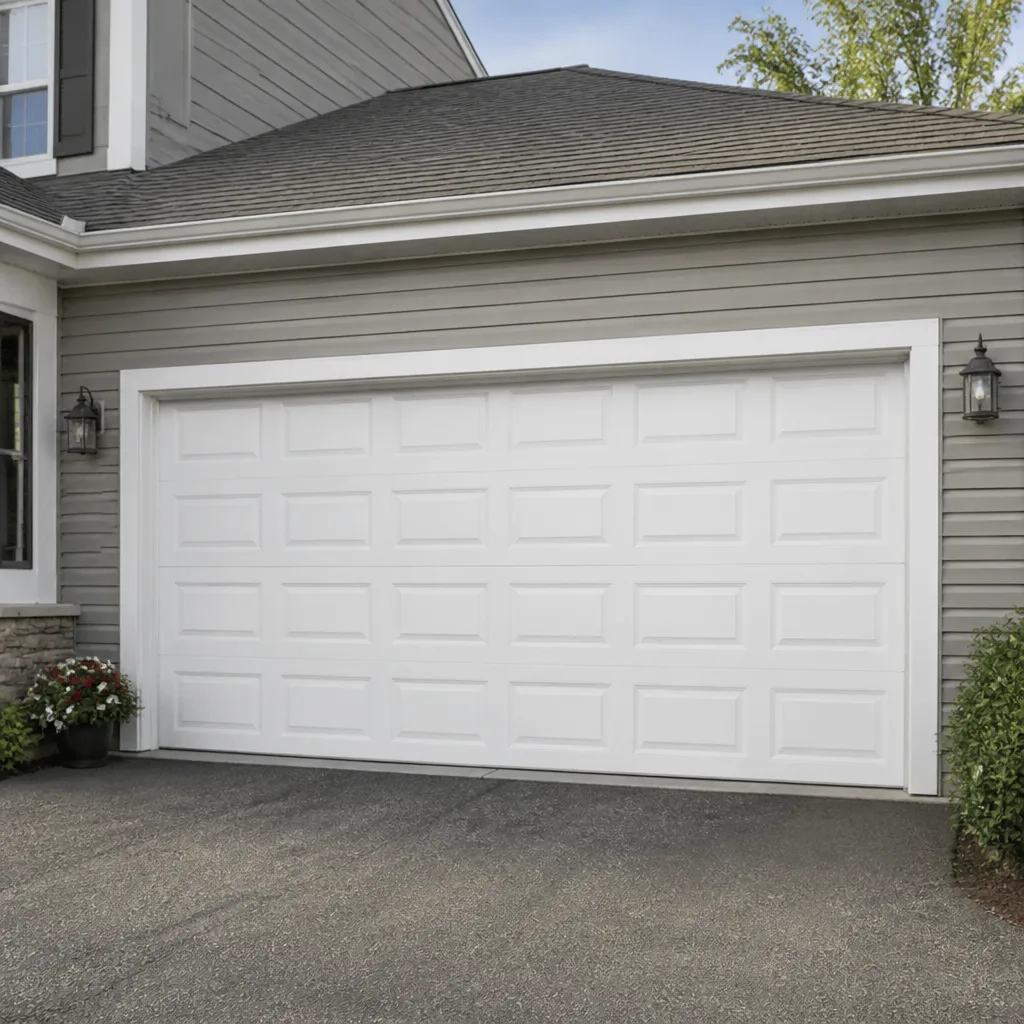 Raised-panel steel
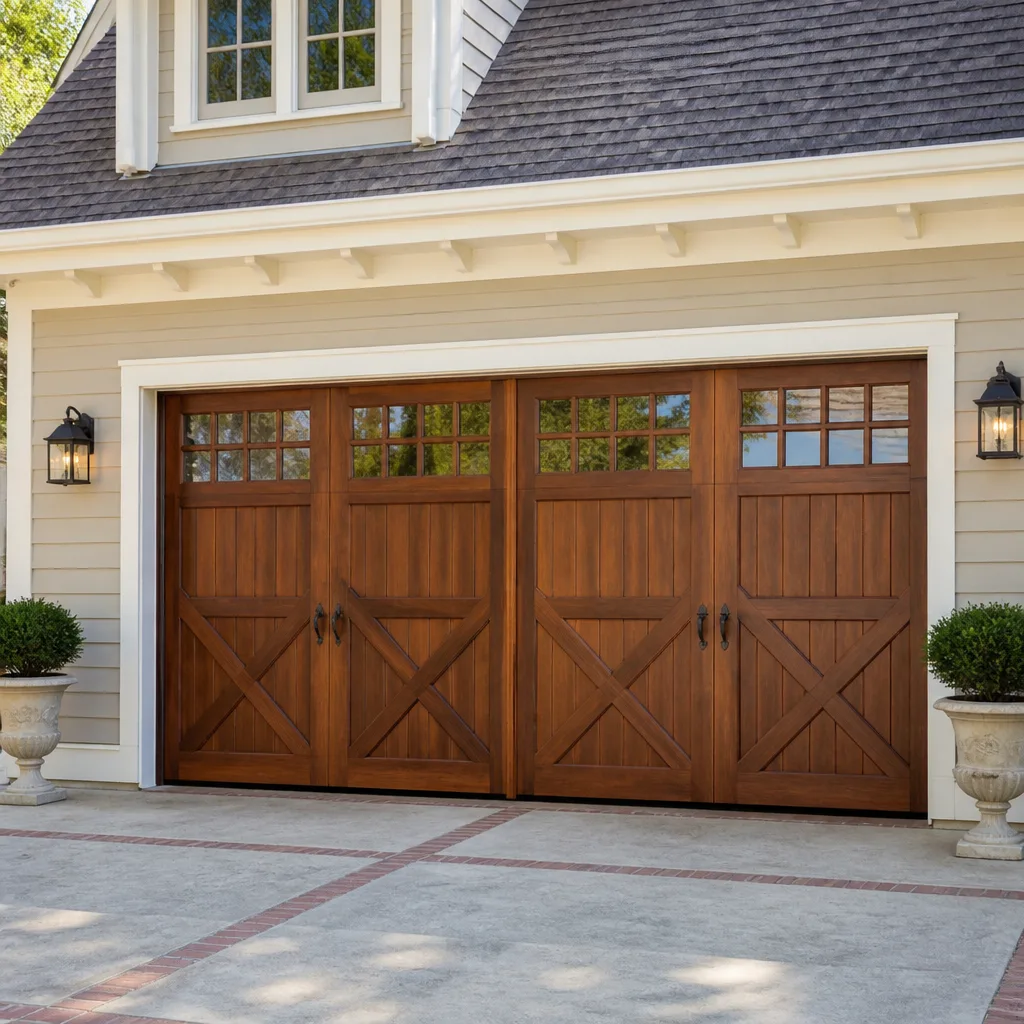 Carriage house
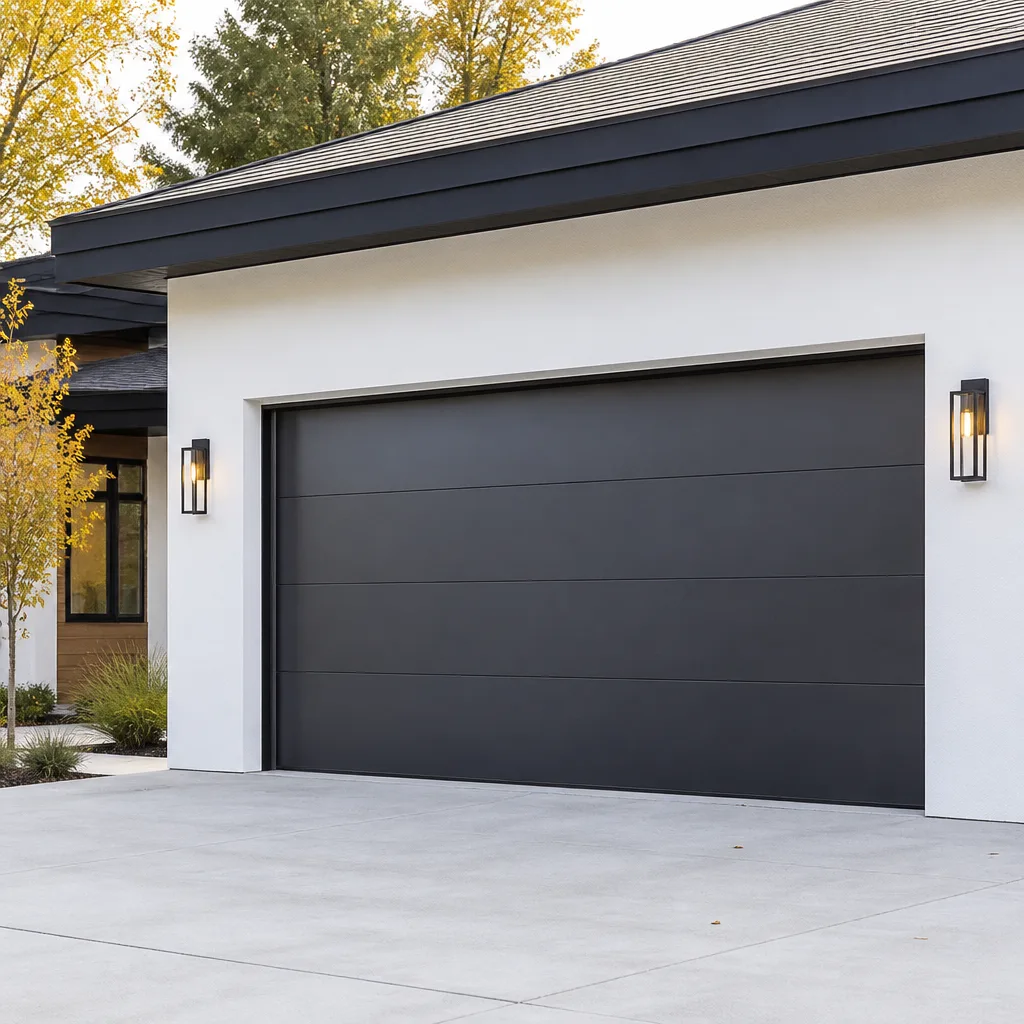 Modern flush
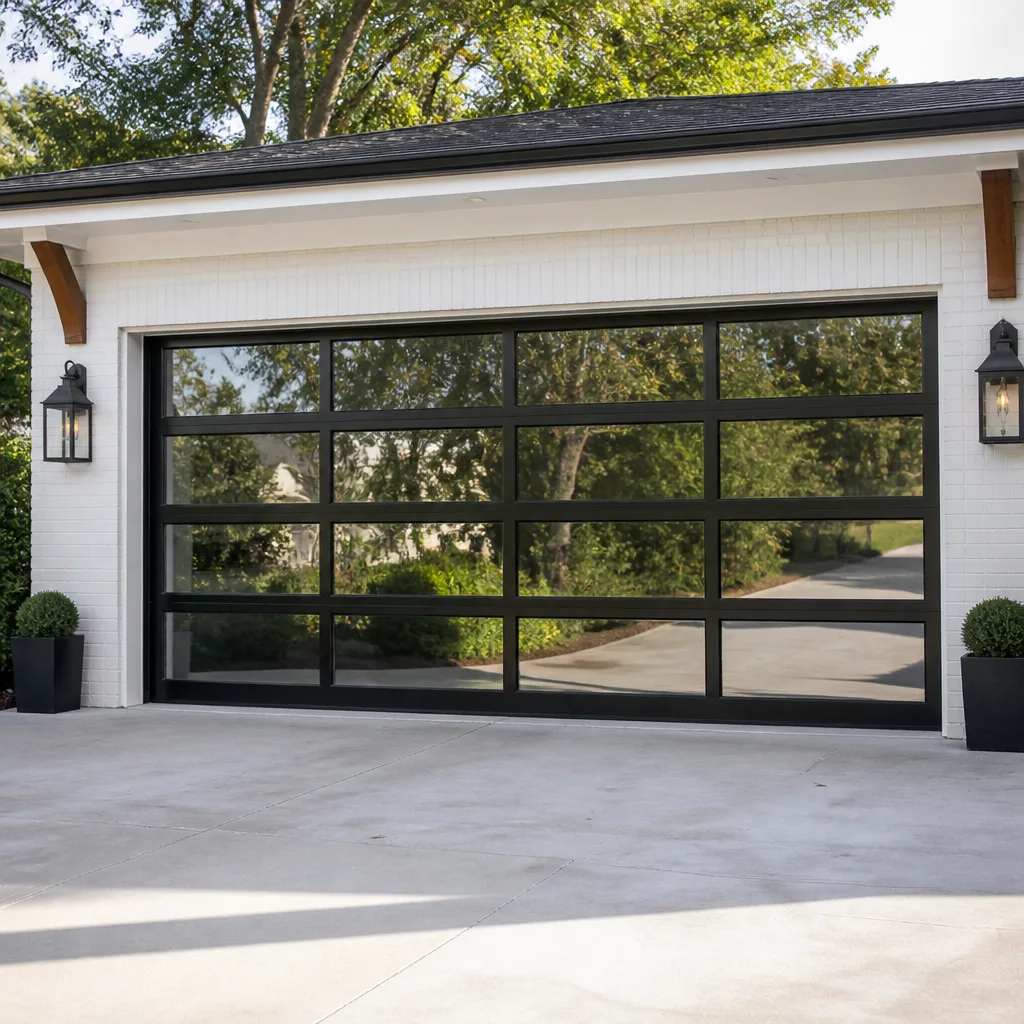 Full-view glass
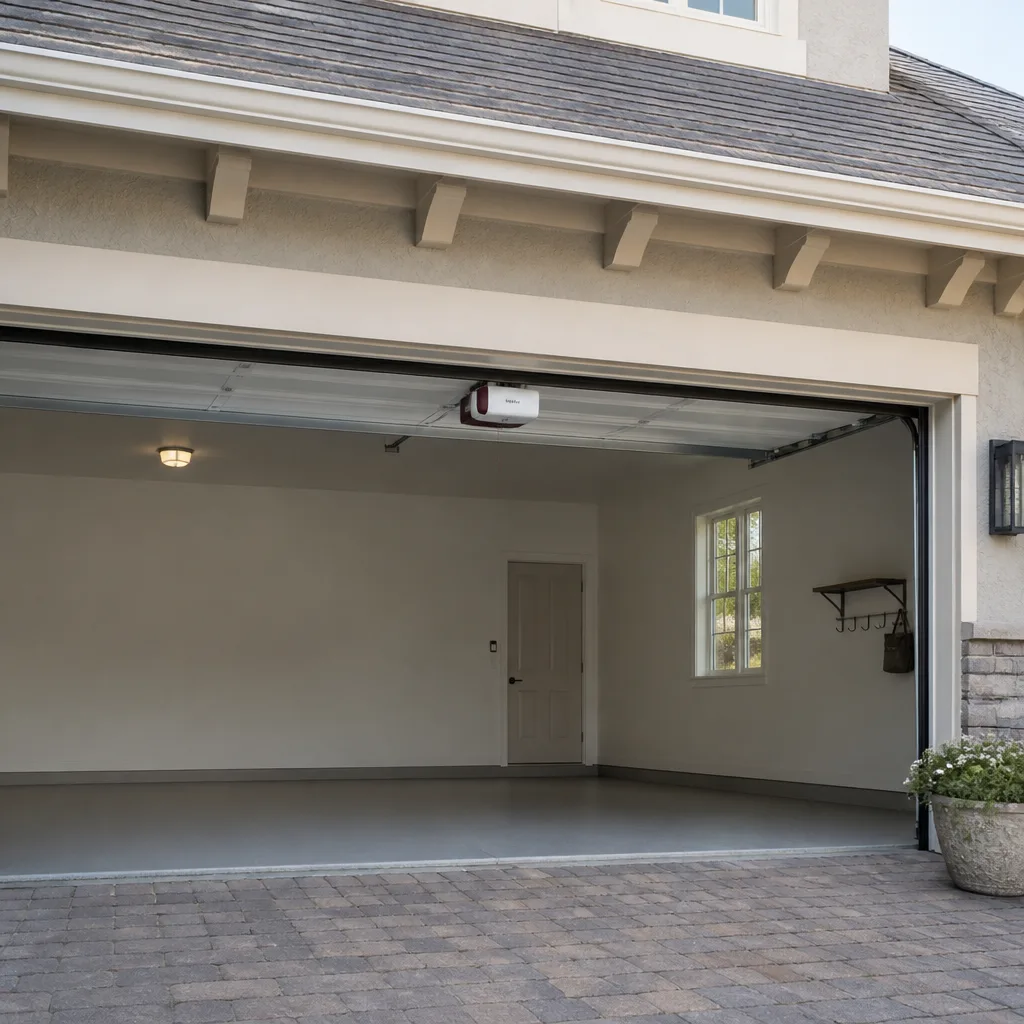 LiftMaster openers
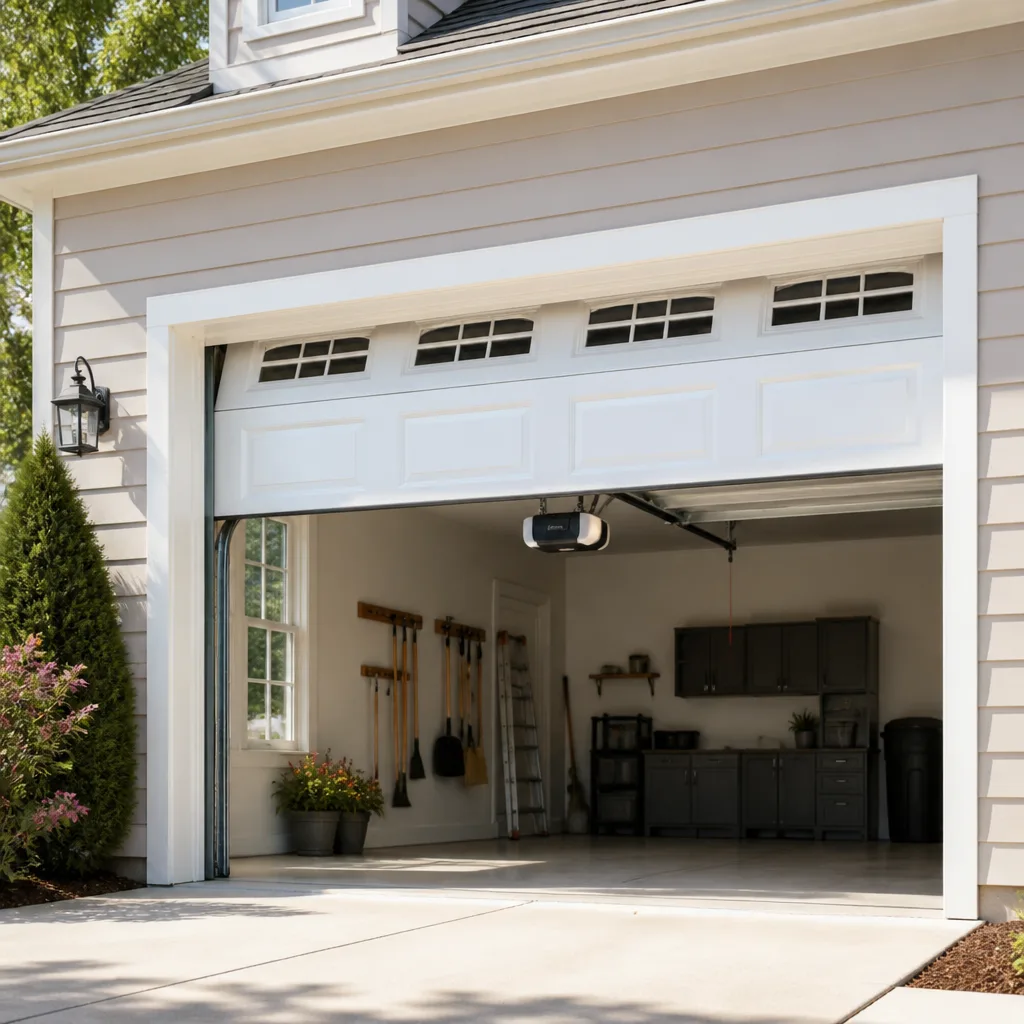 Chamberlain openers
Full 25-point door and opener safety check with every visit - springs, cables, rollers, tracks, and your LiftMaster or Chamberlain opener included
You get a price before we start. It does not change when the truck arrives.
Get your free estimateSeasonal Garage Door Care for Salinas: Year-Round Homeowner’s Guide
Most garage door advice you’ll find online was written for a place with four loud seasons: a frozen winter, a muddy spring, a scorching summer, a leaf-blown fall. Salinas isn’t that place. Our seasons are quieter and sneakier, which is exactly why they catch homeowners off guard. The garage door that ran fine all summer can seize up on the first cold, damp morning in November, and it has nothing to do with a storm.
What follows is a month-by-month guide built around how Salinas actually feels across the year: hot dry summers inland, cool damp winters, and a wet season that softens seals and tracks in ways a sunny-day inspection will never show you. You’ll learn what to check and when, what to leave to a trained technician, and how to keep a door from one of the major brands running smoothly for years. If you’d rather have a specialist look, Fletcher Garage Door Repair is one call away.
Styles & brands we work with
- Raised-panel steel
- Carriage house
- Modern flush
- Full-view glass
- LiftMaster openers
- Chamberlain openers
Quick Answer
Seasonal garage door care in Salinas means matching maintenance to our two real stress seasons: the dry, hot summer that dries out lubricant and warps panels, and the cool, wet winter fog that swells wood, stiffens rollers, and finds every gap in a bottom seal. The single most important task is lubricating moving parts in late fall, before the first cold marine layer arrives, then rechecking seals and tracks after the rainy season ends. A little attention at those two transitions prevents most of the breakdowns we get called about.
Table of Contents
- Why Salinas Doors Age Differently Than the Rest of the Country
- Fall Prep: Getting Ready for the Wet Season
- Winter Checks: Cold Nights, Damp Air, and Inland Freeze Risk
- Spring Tasks: What the Rain Left Behind
- Summer Heat Protocol for Inland Neighborhoods
- A Month-by-Month Task Card for Salinas
- Brand-Specific Notes: Genie, Clopay, Amarr, and Wayne Dalton
- Common Mistakes to Avoid
- When to Call a Professional
- Frequently Asked Questions
Why Salinas Doors Age Differently Than the Rest of the Country
If you moved to Salinas from a colder part of the country, your old maintenance habits won’t map cleanly onto this climate. The stress here isn’t a hard freeze that cracks things overnight. It’s a slow, repeating cycle of dry heat and damp cool air, and it works on different parts of the door than a northern winter would.
Here’s the pattern. Through the dry months, the lubricant on your springs, rollers, and hinges thins and dries. The wood or composite edges of a panel lose a little moisture and move slightly. Then the wet season arrives, the air turns cool and heavy, and every metal-on-metal surface that was running dry suddenly has to move again, now against a film of condensation. That’s when a torsion spring that was quietly weakening all summer finally lets go, or a roller that was gliding in July starts to screech in December.
Salinas also has a real split between its neighborhoods. The inland side of town, places like Alisal and East Salinas, runs noticeably hotter in summer than the neighborhoods closer to the cooler air that comes in off the valley in the evening. That means two doors on the same street can face genuinely different heat loads. A door that bakes all afternoon inland needs different summer attention than one that cools down every evening.
Our focus is residential work, so the patterns we describe are the ones we see in home garages day after day, not industrial doors or commercial roll-ups. That depth is why a garage door repair visit starts with a real diagnosis instead of a guess.
Fall Prep: Getting Ready for the Wet Season
The most valuable hour you’ll spend on your garage door all year happens in the fall, before the first cold, damp mornings settle in. Think of it as winterizing for a mild climate: the goal isn’t to protect against snow, it’s to make sure everything still moves freely once the air turns heavy and cool.
Work through these steps in order:
- Lubricate the moving metal. Apply a proper garage door lubricant to the hinges, rollers, and the torsion spring coils. Not WD-40 as a lubricant, and not grease that will gum up. A dry or silicone-based spray designed for overhead doors is what you want. This is the single most important fall task, and it’s the one most homeowners skip.
- Inspect the bottom seal. Run your hand along the rubber or vinyl seal at the bottom of the door and look for cracks, flattening, or gaps. A worn seal lets cool damp air and pests in, and it’s the first thing the wet season attacks.
- Check the weatherstripping around the frame. The trim along the sides and top of the opening should sit snug against the door when it’s closed. If you can see daylight or feel a draft, the seal has failed.
- Test the balance. Disconnect the opener and lift the door halfway by hand. It should hold there with little effort. If it slams down or won’t stay up, the springs are worn and need professional attention.
- Clear the tracks. Wipe out the vertical and horizontal tracks with a damp cloth, then dry them. Don’t lubricate the tracks themselves; they’re meant to stay clean and dry so the rollers can roll.
- Run the safety reverse test. Put a block of wood or a roll of paper towels in the door’s path and close it. The door should reverse on contact. If it doesn’t, the opener’s safety setting needs adjusting.
A door that’s balanced, lubricated, and sealed in October will handle the wet season far better than one that gets attention only after something breaks. If fall prep turns up worn springs or a seal you can’t easily replace, that’s the point to call in a specialist rather than wait for a November failure. The springs and cables on an overhead door are under high tension and can cause serious injury, so leave those to a trained technician.
Winter Checks: Cold Nights, Damp Air, and Inland Freeze Risk
Salinas winters are gentle compared to most of the country, but “gentle” doesn’t mean “nothing to do.” The combination of cold nights, damp air, and occasional overnight freezes in the inland neighborhoods is exactly the kind of condition that stiffens mechanical parts and exposes weak seals.
What to watch for through the wet months:
- Slow or stiff operation. If the door hesitates, moves sluggishly, or the opener sounds like it’s working harder, cold-thickened lubricant or a stiff roller is usually the cause. It’s a sign the fall lubrication either wasn’t done or has worn off.
- Squeaks and grinding. New noises in winter almost always trace back to dry metal. A quick re-lube of hinges and rollers often quiets them.
- Moisture at the bottom seal. After a run of wet days, look for water pooling at the threshold or dampness creeping up the bottom panel. That’s a failed bottom seal doing what it shouldn’t.
- Wood panel swelling. If your door has wood or wood-composite panels, the damp air can make the edges swell slightly. Watch for panels that bind or scrape against the frame.
- Opener strain. Cold, damp air increases resistance, and an opener with a weakening battery backup or a tired motor will show it first. A modern opener with battery backup is worth having in winter in case the power goes out.
Inland neighborhoods like Alisal and East Salinas can see the coldest overnight temperatures in the area, so if you’re on that side of town, be a little more attentive to stiffness and seal condition. A door that runs freely in summer can feel like a different machine on a cold morning. That difference is your cue to lubricate and check the balance again, not to force it.
Spring Tasks: What the Rain Left Behind
Once the wet season winds down, your garage door needs a post-rain audit. Moisture is patient; it works its way into places you don’t see until a seal is ruined or a track has started to rust. Spring is when you catch that damage before it becomes a repair.
Here’s what to inspect after the rainy months:
- Bottom seal condition. Look for water staining, cracking, or a seal that’s peeled away from the door’s bottom edge. A seal that sat in moisture all winter often needs replacing by spring.
- Track rust and debris. Run a cloth along the inside of the tracks and look for rust spots or grit. Rust on the tracks means the rollers will wear faster and the door will run rougher.
- Wood panel edges. On a wood or composite door, check the bottom and side edges of each panel for swelling, soft spots, or bubbling paint. That’s moisture that got in over the winter.
- Hardware tightness. Brackets, hinges, and the track mounts can loosen over a season of temperature swings. Give them a check with the door closed and the opener disconnected.
- Weatherstripping on the frame. Side and top seals that looked fine in fall may have shrunk or pulled loose over the wet season. Replace any that no longer sit snug.
Spring is also the right time to re-lubricate the moving parts, since the winter’s damp has had its way with the fall coating. A clean, dry track and a freshly lubricated hinge and roller set will run noticeably better as the dry season begins. If the inspection turns up rusted tracks or moisture-swollen panels you can’t easily address, that’s a job for a specialist who can tell you whether the door needs a repair or a replacement.
Summer Heat Protocol for Inland Neighborhoods
Salinas summers are where the inland side of town does extra work. Neighborhoods like Alisal and East Salinas sit further from the cooling that comes in later in the day, and they bake through long hot afternoons. A garage door there is a large, mostly metal and wood surface absorbing all that heat. The heat does two things: it dries out lubricant faster, and it makes every material expand slightly.
Summer care looks like this:
- Lubricate more often inland. In the hottest neighborhoods, a fall-only schedule isn’t enough. A mid-summer re-lube of hinges, rollers, and the spring keeps things moving and prevents the dry-metal grinding that builds up by fall.
- Watch for warped or bowing panels. Panels that face the afternoon sun all day can warp slightly. Look down the length of the door on a hot afternoon; if a panel looks bowed or the door doesn’t sit flush, the heat is doing damage.
- Check the opener’s motor. An opener working in a hot garage runs warmer. If the unit cuts out during the hottest part of the day or the motor sounds strained, it may be overheating or nearing the end of its life.
- Keep the door closed during peak heat. Leaving the door open all afternoon lets heat into the garage and lets the afternoon sun hit parts of the door that aren’t built for it. Closed, the door is at least evenly loaded.
- Inspect the paint or finish. A hot, dry summer is hard on paint. Fading, chalking, or peeling on a wood or steel door opens the surface to moisture once the wet season returns. A fresh coat in early fall pays for itself.
On the cooler side of town, summer is milder and a normal seasonal routine is fine. The point isn’t to over-manage a door that’s comfortable; it’s to recognize that a garage door in East Salinas takes more heat than your neighbor a mile closer to cooler evening air, and to give it the lubrication and inspection that heat demands.
A Month-by-Month Task Card for Salinas
Most seasonal guides hand you a generic four-season template. Salinas doesn’t work that way. Here’s a task card built around our actual climate rhythm, so you know what matters when. Treat this as a checklist you can pin in the garage.
| Time of Year | Primary Focus | Key Tasks |
|---|---|---|
| October – November | Pre-winter prep | Full lubricate of hinges, rollers, spring; inspect bottom seal; test balance; run safety reverse test |
| December – February | Cold, damp watch | Listen for new squeaks; check bottom seal for moisture; watch opener strain; re-lube if sluggish |
| March – April | Post-rain audit | Inspect seal and wood panel edges; clean tracks of rust and grit; tighten hardware; re-lubricate |
| May – September | Heat season (inland especially) | Mid-summer re-lube; watch for warped panels; check opener motor; touch up paint by early fall |
The table above captures the two big transitions: the autumn lube-and-seal pass and the spring post-rain inspection. Everything in between is about noticing change, because a garage door rarely fails without warning. It tells you with a new squeak, a slow start, or a seal that won’t lie flat. The door’s own signals, read monthly, are worth more than any fixed schedule.
Brand-Specific Notes: Genie, Clopay, Amarr, and Wayne Dalton
Seasonal care is universal, but the details shift with the equipment you own. We work on the brands most common in Salinas homes, and knowing what each one needs makes the checks above more precise. Here’s what we’d look at on a few of them.
- Genie openers. A common residential unit with a straightforward safety reverse system. Test it every season, and pay attention to the battery backup in winter, when you want the door to open if the power goes.
- Clopay doors. Often steel or composite panels. The summer heat check matters here: look for warping on sun-facing panels and keep the finish intact so the surface doesn’t take on moisture in the wet season.
- Amarr doors. Frequently wood-composite or insulated steel. The spring inspection of wood edges and seals is where these need attention, since moisture likes to find the panel seams.
- Wayne Dalton doors. Common in a wide range of home styles. Balance and lubrication checks apply the same, and the bottom seal is worth a careful look every season.
We also work on LiftMaster, Chamberlain, Craftsman, and Raynor equipment, so when your door or opener needs attention, the technician arrives already familiar with it. That’s part of the difference: no guesswork, no time spent looking up how your specific system works. If your opener is behaving oddly, our garage door opener repair service deals with the electronics and mechanics of the unit itself rather than treating it as an afterthought to the door. No manufacturer loyalty on our end, so the advice is about what your equipment actually needs.
Common Mistakes to Avoid
- Using WD-40 as a lubricant. It’s a solvent, not a lubricant. On hinges and rollers it can actually strip the proper grease and leave the metal dry, which accelerates wear in Salinas’s dry summers. Use a garage door lubricant designed for overhead doors.
- Skipping the fall lubricate. This is the big one. Homeowners who wait until something breaks often find a spring that failed in November because it ran dry all summer. The fall pass is cheap insurance against the November call.
- Lubricating the tracks. The tracks are supposed to stay clean and dry so the rollers can roll. Grease on the tracks collects grit and makes the door run rougher, not smoother.
- Forcing a stiff door in cold weather. A door that hesitates on a cold morning needs lubrication, not more force from the opener. Forcing it wears the opener and the springs, and it can hide a balance problem that needs fixing.
- Ignoring a moisture-damaged seal. After a wet spring, a bottom seal that’s cracked or peeling is easy to overlook. It’s also the first line of defense against damp air and pests, so replace it before it fails completely.
- Overlooking inland heat. A door in East Salinas cooped up against afternoon sun day after day needs more summer lubrication than a cooler-side door. Treating them the same shortchanges the hotter door.
- Attempting spring or cable work yourself. The torsion spring and cables are under high tension. This is genuinely dangerous work, and a mistake can cause serious injury. Leave it to a trained technician and stick to the checks that are safe.
When to Call a Professional
Most of what’s in this guide is safe to do yourself: lubricating, inspecting, testing the safety reverse, cleaning tracks. Call a professional when the work crosses into the parts that carry serious tension or when a seasonal check turns up something you can’t easily fix. That means a door that won’t stay balanced, springs that are clearly worn, cables that look frayed, tracks that are bent or badly rusted (not just dirty), a panel that’s warped enough to bind, or an opener that’s failing its safety reverse test or cutting out in heat. Any of those is a reason to have a trained technician look at it rather than push the door to keep working.
Fletcher Garage Door Repair offers free estimates in Salinas – call (844) 482-7563. We answer 24/7. Fast dispatch from 7am to 7pm, Sunday through Friday. The price is quoted and agreed before any work starts, so you’ll know what you’re paying before we touch a thing.
Frequently Asked Questions
Twice a year is a good baseline for most homes: once in the fall before the wet season, and again in spring after the rain. If you live in a hotter inland neighborhood like Alisal or East Salinas, add a mid-summer pass, because the dry heat thins lubricant faster. Call (844) 482-7563 for an exact quote if you’d rather have it done for you – estimates are free.
Cold, damp air thickens lubricant and increases friction on hinges and rollers, so a door that ran freely in summer feels sluggish on a cold winter morning. That’s usually a sign the fall lubrication either wasn’t done or has worn off. Re-lubricating the moving parts typically resolves it. If it doesn’t, a balance check is the next step.
Look for a bottom seal that’s cracked, peeled, or stained with water, tracks with rust spots or grit, and wood panel edges that have swollen or gone soft. Those are the three places moisture shows up first. If you see any of them, it’s worth having a technician assess whether it’s a seal replacement or something more.
No. The torsion spring on an overhead door is under high tension, and mishandling one can cause serious injury. This is one of the jobs that should always go to a trained technician. If your door seems unbalanced or a spring is clearly worn, stop using the door and call a professional.
Yes, in one main way: heat. Inland neighborhoods like East Salinas and Alisal run considerably hotter in summer, which dries out lubricant faster and puts more stress on panels and openers. A door there benefits from a mid-summer re-lube and a closer watch on warping, while a cooler-side door can usually stick to the standard fall and spring routine.
If the seasonal checks keep turning up warped panels, rusted-through tracks, or repeated spring failures on a door that’s well past its service life, replacement often makes more sense than another round of repairs. Our installation service can walk you through the options, and we work with Clopay, Amarr, and other major brands, so the recommendation is based on your needs, not a manufacturer incentive. Call (844) 482-7563 for a free estimate.
The Bottom Line
Seasonal garage door care in Salinas comes down to reading our two real stress seasons: the dry heat that dries out lubricant and warps panels, and the cool damp wet season that stiffens parts and finds every gap in a seal. Give the door a full lubricate-and-seal pass in fall, a post-rain audit in spring, and a mid-summer re-lube if you’re on the hot inland side of town. Watch for the door’s own signals – new squeaks, slow starts, a seal that won’t lie flat – and call a professional for anything involving springs, cables, or balance. A little seasonal attention keeps one of the largest moving parts of your home running smoothly for years.
If this is the year you’d rather have a specialist handle it, we make it easy. Call (844) 482-7563 for a free estimate. We answer 24/7. Fast dispatch from 7am to 7pm, Sunday through Friday. Whether your opener is a Genie, a LiftMaster, or a Chamberlain, or your door is a Clopay, Amarr, Wayne Dalton, or Raynor, we work on your brand, and we’ll have it working before we leave. The price is quoted and agreed before any work starts.
Written by the team at Fletcher Garage Door Repair, serving Salinas since 2015.
See the difference
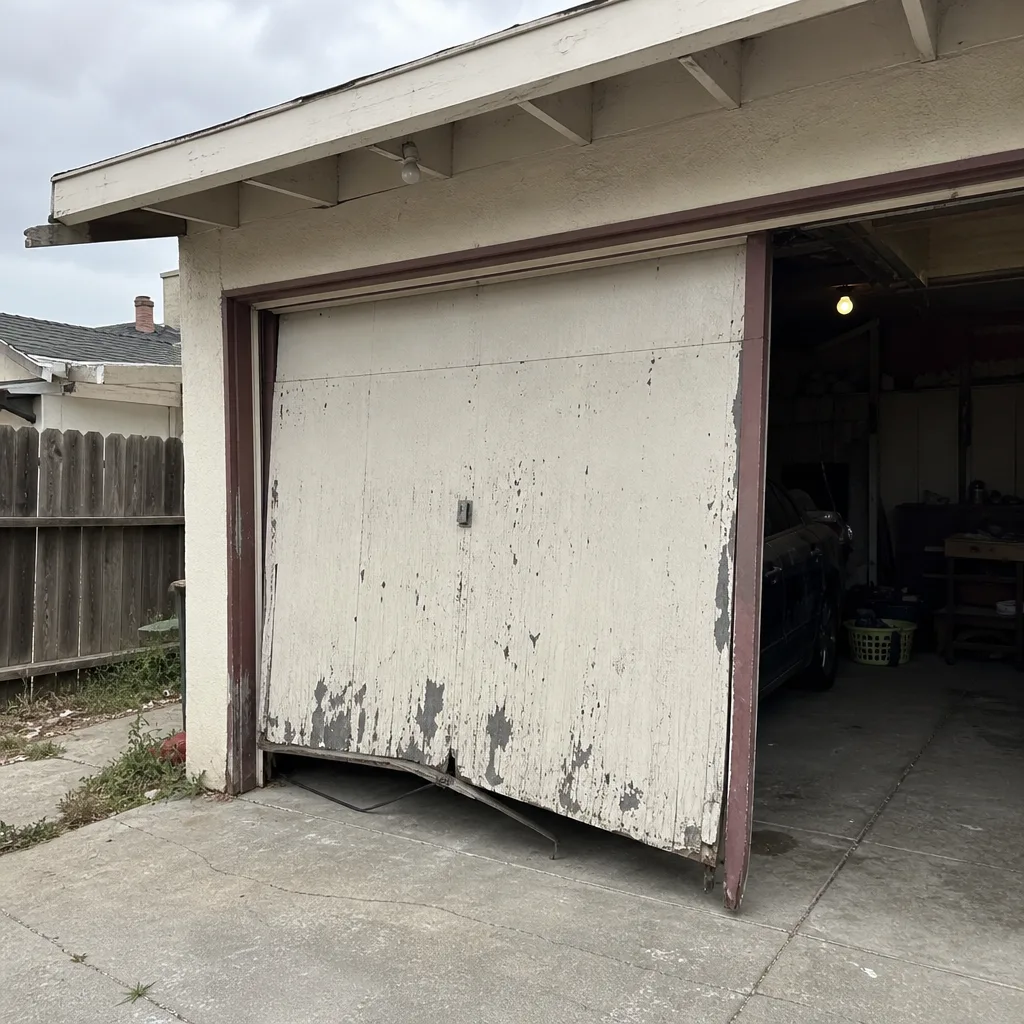 Before
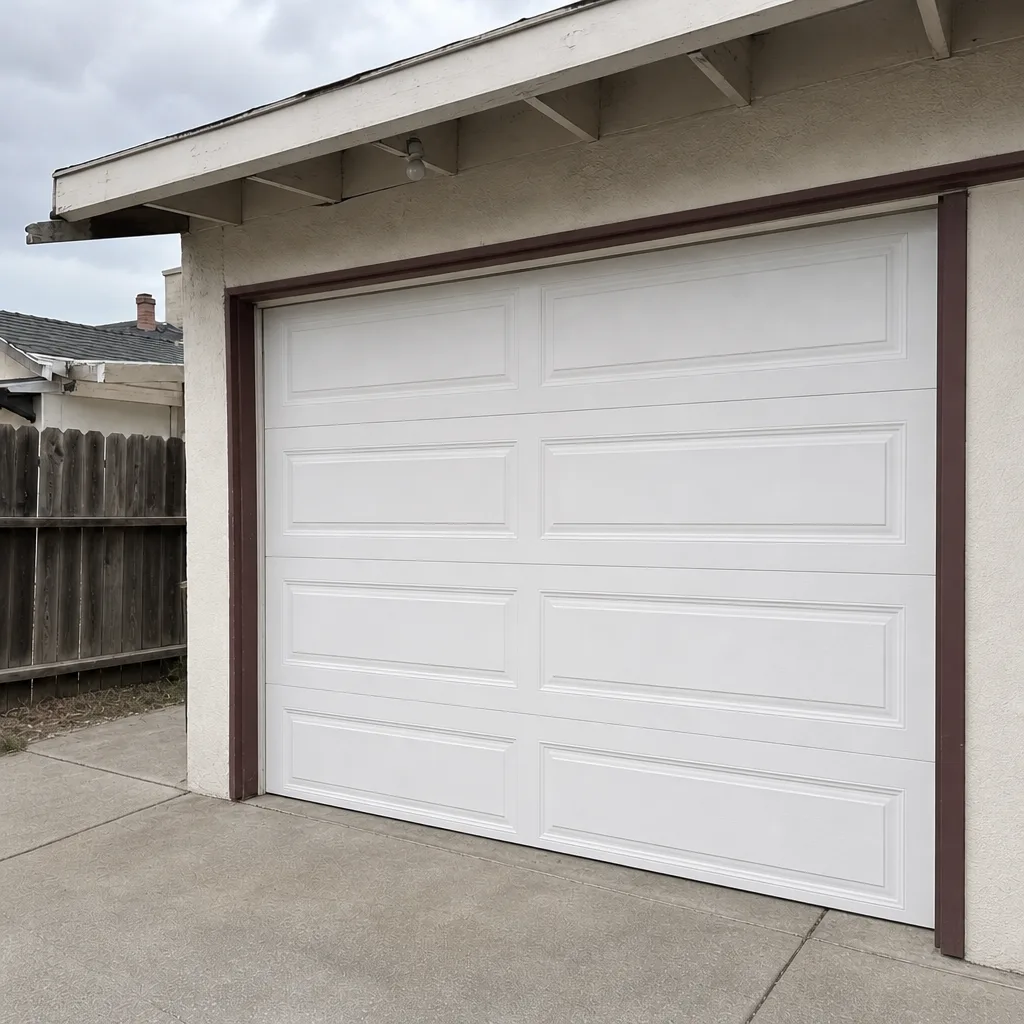 After
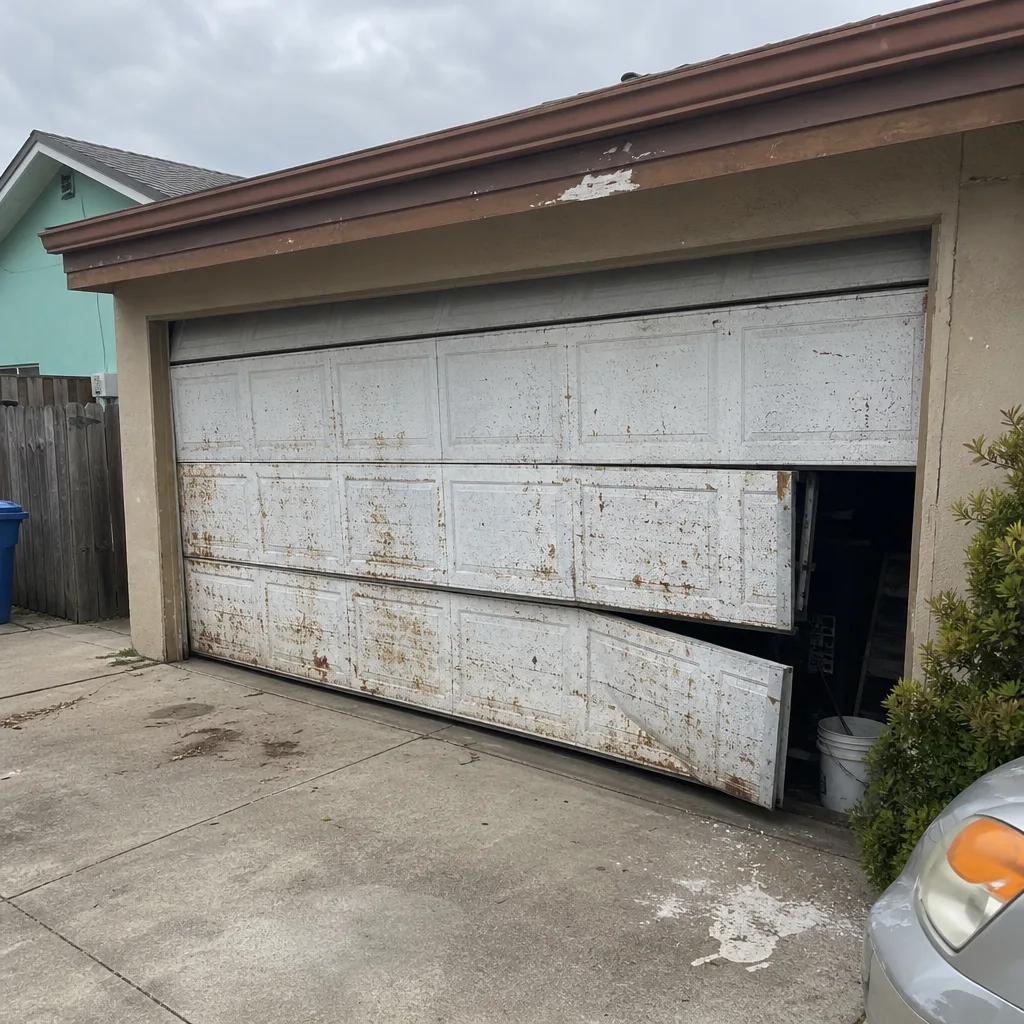 Before
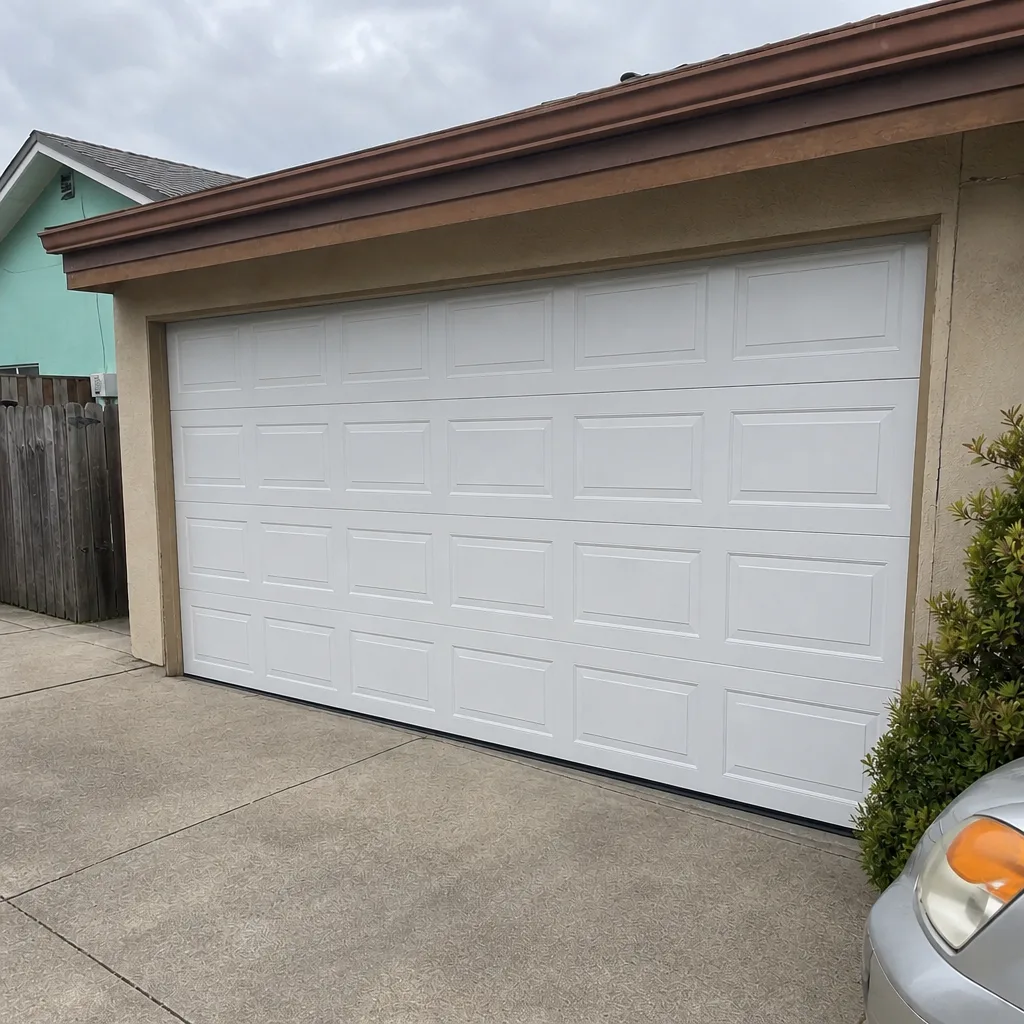 After
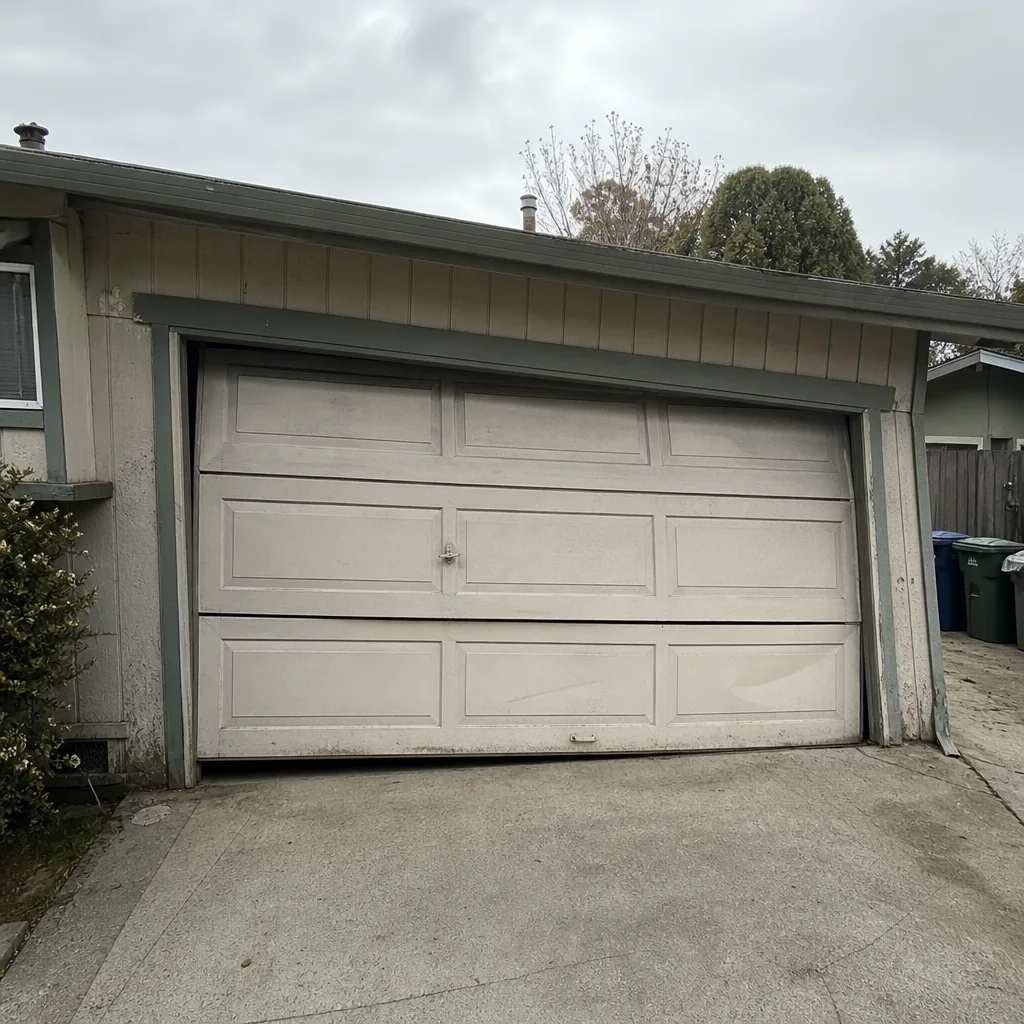 Before
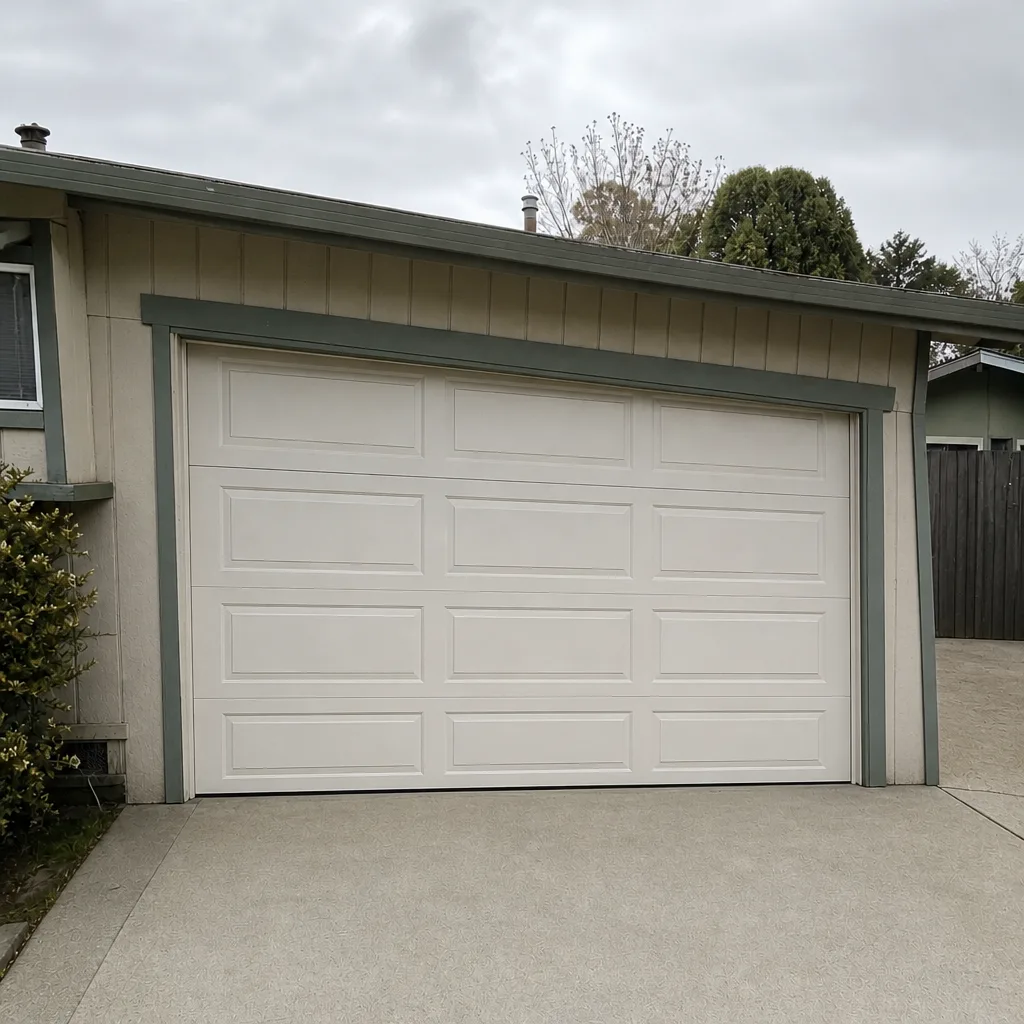 After