
Last updated November 14, 2026
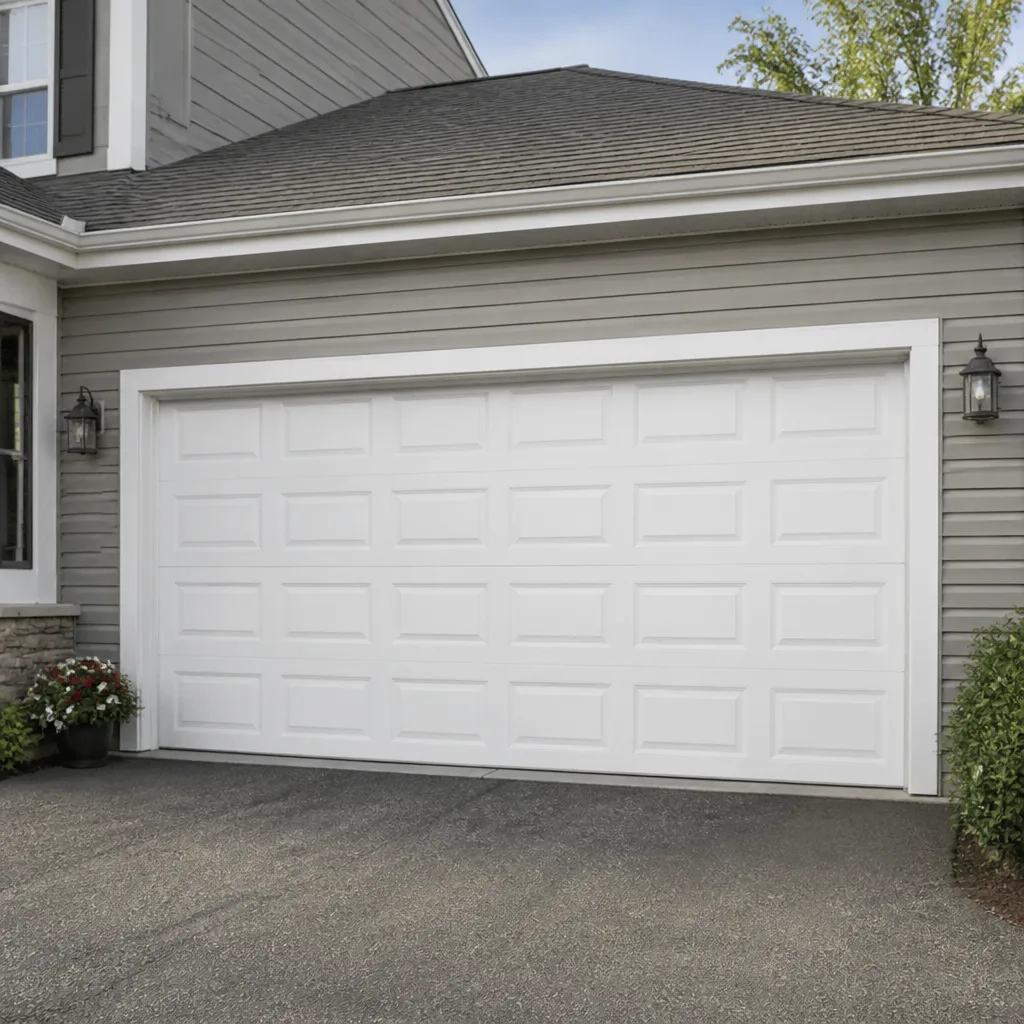 Raised-panel steel
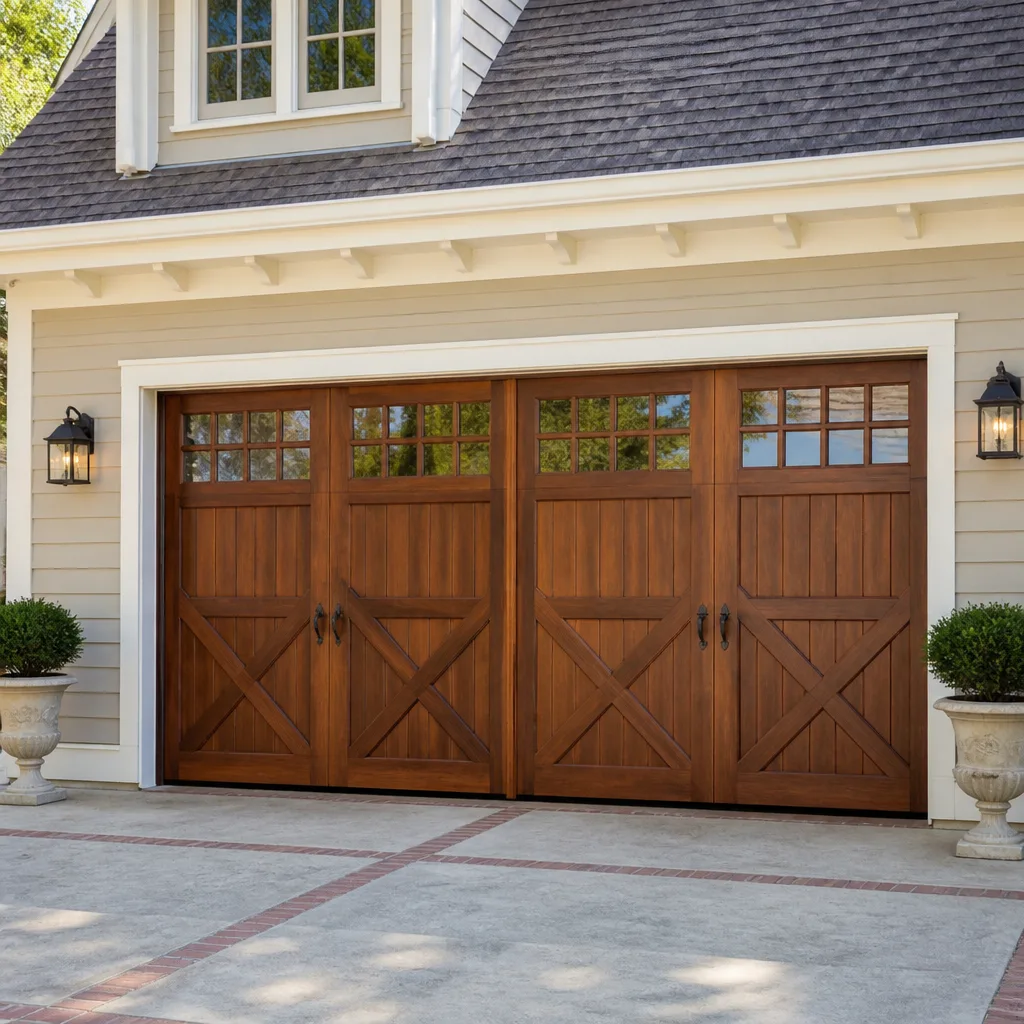 Carriage house
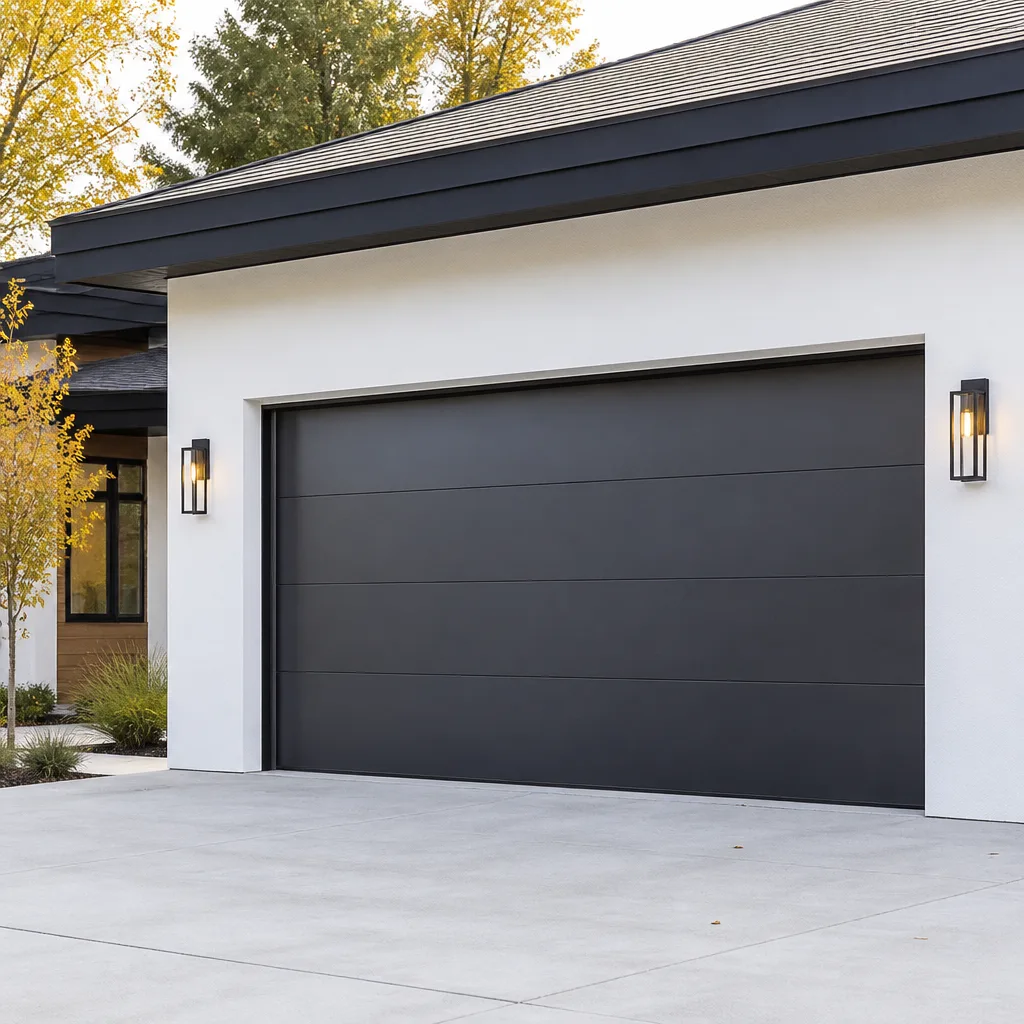 Modern flush
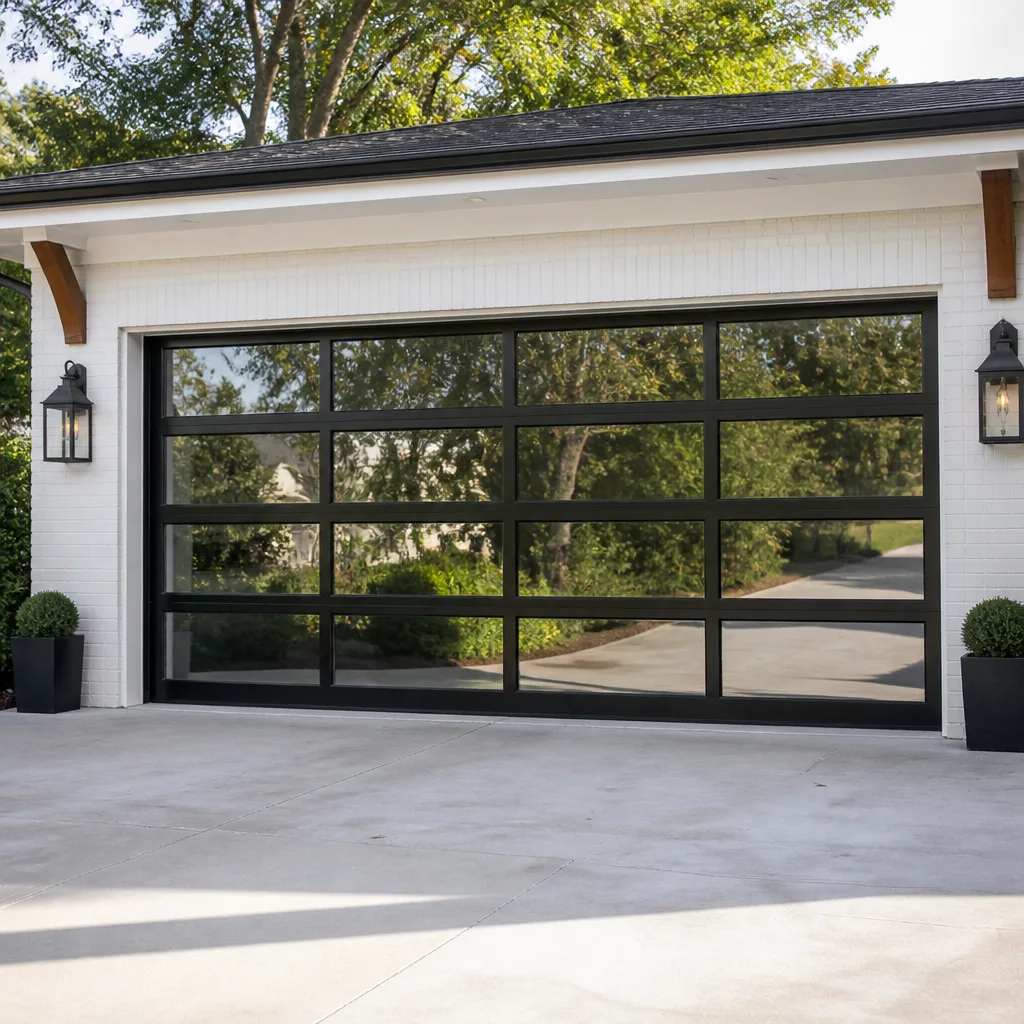 Full-view glass
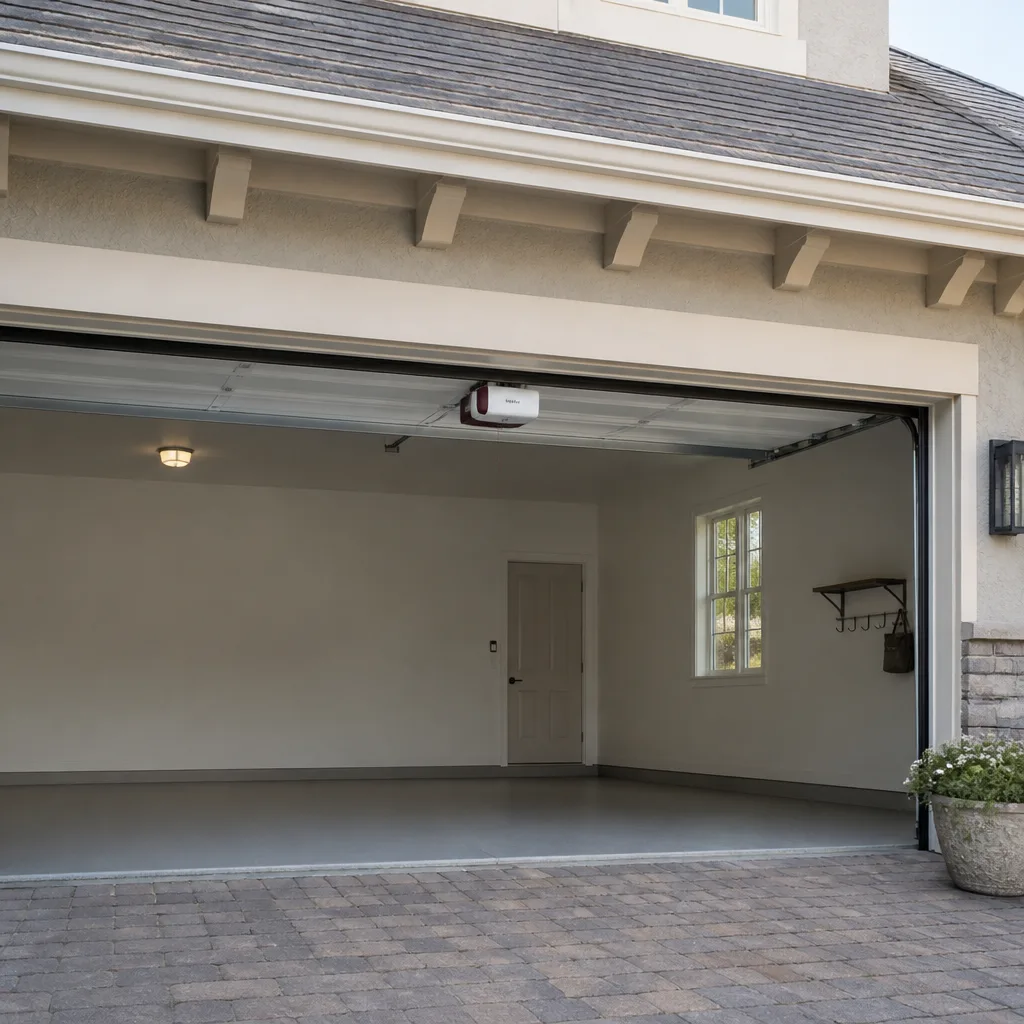 LiftMaster openers
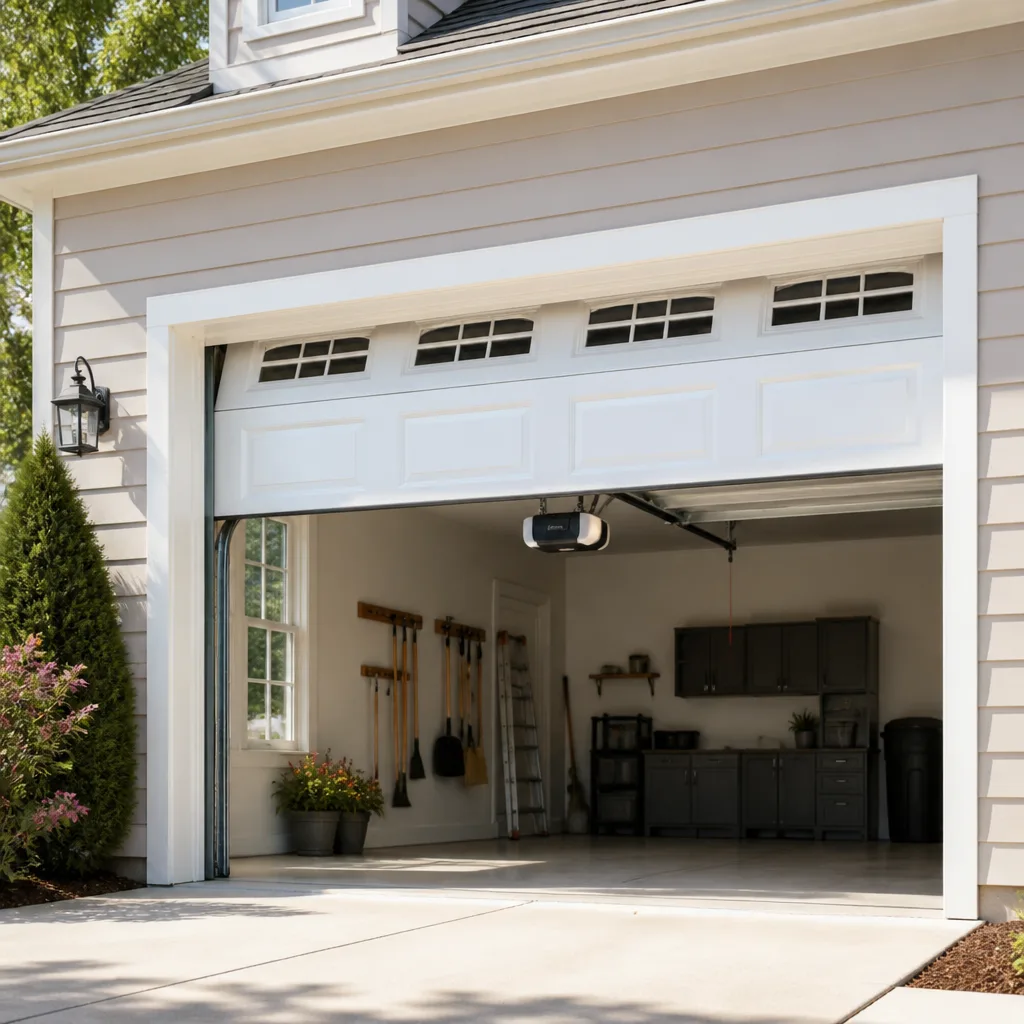 Chamberlain openers
Full 25-point door and opener safety check with every visit - springs, cables, rollers, tracks, and your LiftMaster or Chamberlain opener included
You get a price before we start. It does not change when the truck arrives.
Get your free estimateGarage Door Repair Troubleshooting in Salinas: Common Problems and How to Fix Them
A door that reverses before it closes isn’t broken. It’s doing exactly what it was programmed to do, and the real problem is almost never where you’re looking. That’s the first thing we explain to homeowners across Salinas, because most garage door trouble starts with a misread symptom. The grinding you hear isn’t always the opener. The gap on one side isn’t always the track. The sluggish remote isn’t always the battery. This guide teaches you to read your door as a single system so you stop chasing the noise and start finding the actual failure point. We’ll cover how to test the door by hand, which fixes are safe to try yourself, and when to put the tools down.
Quick Answer
Start troubleshooting a garage door in Salinas by disconnecting the opener and running the door by hand before you touch any settings. If it’s stiff, unbalanced, or binds on one side, the door’s hardware is the problem; if it moves freely, the issue is electrical and the opener, sensors, or remote are the place to look. Safe checks include lubrication, photo-eye alignment, and cleaning the tracks. Spring, cable, and torsion work are not homeowner jobs and belong with a trained technician.
Styles & brands we work with
- Raised-panel steel
- Carriage house
- Modern flush
- Full-view glass
- LiftMaster openers
- Chamberlain openers
Table of Contents
- Read the Behavior, Not the Part
- The Manual Test: Disconnect Before You Diagnose
- Symptom-by-Symptom Diagnosis
- How Salinas Conditions Shift the Priority Order
- What You Can Safely Fix Yourself
- Red-Flag Combinations That Mean Imminent Failure
- Why Brand Familiarity Shortens the Diagnosis
- Common Mistakes to Avoid
Read the Behavior, Not the Part
Most people call us with a part in mind: “I think it’s the spring,” or “it’s got to be the motor.” Often it’s neither. A garage door is a mechanical system with five moving assemblies that have to work together: the springs, the cables, the rollers and hinges, the tracks, and the opener with its sensors. When one of them drifts out of spec, the whole system complains through a symptom that points at the wrong assembly.
Here’s the core idea. A symptom is a message, not a diagnosis. A door that reverses at the floor is signaling its safety sensor, not its motor. A door that opens partway and stops is usually signaling a limit switch or a binding track, not a dying opener. A door that gets loud at the top of its travel is often signaling worn rollers or a dry torsion spring. If you replace the part the symptom names, you spend money and the symptom comes back.
We work on residential doors in Salinas every week, and the pattern holds. Reading behavior first saves you from the most common mistake in garage door troubleshooting: swapping parts until something works. Instead, you form a hypothesis about which of the five assemblies is failing, then you test that hypothesis with the manual test in the next section. Repair the assembly, not the noise.
One more thing worth stating plainly. The door is also a safety system. If any part of your diagnosis leads you toward opening the torsion shaft cover or handling a cable under tension, stop. Those carry enough stored energy to cause serious injury. Call a specialist for garage door repair when you reach that line.
The Manual Test: Disconnect Before You Diagnose
Before you touch a setting, a remote, or a limit screw, disconnect the opener and operate the door by hand. This one step tells you whether your problem is mechanical or electrical, and it costs nothing. Every opener has a manual release, usually a red pull cord hanging from the trolley. With the door closed, pull it down until it clicks, and the opener lets go of the door.
Then run through this sequence carefully. Keep your hands clear of hinges and the spring assembly, and never put fingers between door panels.
- Lift the door about halfway by hand. It should move with steady, even resistance. If it feels heavy as a dead weight, the springs aren’t carrying the door’s weight and you’ve found your problem.
- Let go at the halfway point. The door should hold roughly where you left it. If it slams down, the springs are under-tensioned or broken. If it flies up, they’re over-tensioned. Either way, that’s a spring problem, not an opener problem, and it needs a technician.
- Watch the gap on both sides. If the door rises higher on one side than the other, a cable is slack or a track is out of alignment. One-side sag is one of the most misread symptoms in Salinas, because it often looks like a bent track when the cable is the culprit.
- Listen and feel for binding. A door that jumps, hesitates, or grinds partway up is fighting a dirty or bent track or a seized roller.
- Reconnect the opener and try the wall button. If the door now runs smoothly under power but stumbles by hand, the hardware needs attention. If it runs smoothly by hand but acts up under power, the fault is in the opener or its sensors.
That last distinction is the heart of good troubleshooting. It tells you which half of the system to focus on before you spend a dollar. Our garage door opener repair team uses this same test as the first step on every call, because it makes the next ten minutes efficient instead of a guess.
Symptom-by-Symptom Diagnosis
Once you know which half of the system is at fault, match the symptom to the actual cause. This table is the working version we’d hand a neighbor. Use it in order, from the top symptom down.
- Door reverses before closing: photo-eye safety sensor blocked, misaligned, or caked with dust. Clean and align the two sensor lenses across the opening, then test. If one sensor’s indicator light is dark, the sensor or its wiring is failing, not the motor.
- Door closes a foot then reverses: usually a travel-limit setting that’s drifted, or a sensor catching the door’s shadow during a manual override. Reset the limit and recheck the sensor. If the behavior persists after both, the logic board is suspect.
- Grinding or scraping sound: dry or worn rollers, a bent track, or a torsion assembly that’s past its lubrication window. Lubricate rollers and hinges first, then inspect the track for flat spots where the roller forces through.
- One side sags or the door binds: a slack or jumped cable on one corner, or a track knocked out of plumb. Cables are not a homeowner repair; inspect from outside the door and call a technician.
- Remote lags or only works close up: a weak remote battery, a dead opener backup battery, or interference. Change the battery, then check whether the wall button works reliably from across the garage. If the wall button is fine and the remote isn’t, the remote or its programming is at fault.
- Opener hums but nothing moves: the trolley is disconnected or the drive gear has stripped. Check the manual release first. If it’s reconnected and the motor still hums without motion, the opener needs a technician.
- Door stops partway and light flashes: limit switch out of adjustment, a binding track, or a sensor trip. Run the manual test to separate mechanical from electrical before you touch the limit.
If the fix isn’t obvious from this list, that’s a useful signal in itself. Complex or combined symptoms are exactly the sort of thing a specialist should see in person, and a specialist who knows your brand will recognize the pattern faster than a generalist. That’s where we do our best work in Salinas.
How Salinas Conditions Shift the Priority Order
Garage door troubleshooting looks a little different in Salinas than it does inland. Our climate is mild, our summers are dry, and our winters are cool rather than freezing. But moisture from the marine layer and salt in the air still reach the valley, and they work on garage door hardware in specific ways. That changes what we check first.
Salt and moisture accelerate corrosion on the torsion spring and on the bottom seal. The torsion spring, in particular, is a high-tension steel part with a thin protective coating, and even light salt exposure will shorten its working life compared to a house a few canyons inland. The bottom seal, which faces the ground and takes the most moisture, hardens and cracks faster here, which lets water and pests into the garage and changes the door’s balance point. In Salinas, we treat a stiff or noisy spring and a cracked bottom seal as priority items to check before we even look at the opener.
Track and roller condition also ranks higher here than you might expect. Cool, damp mornings followed by warm afternoons cause repeated small expansions in the tracks, and a track that was snug last year may be a hair out of plumb this year. That’s when one-side sag and grinding symptoms show up. Weather doesn’t cause these directly, but it’s a reason to inspect them on a schedule rather than waiting for a symptom.
Practical takeaway for Salinas homeowners: inspect the spring and bottom seal once a year, keep rollers and hinge pins lubricated, and treat any rust-colored staining under the torsion bar as a warning sign rather than a cosmetic issue. It’s an early signal that the spring needs a close look.
What You Can Safely Fix Yourself
Not all garage door troubleshooting is dangerous. Some checks and small fixes are genuinely within reach for a careful homeowner, and doing them saves you a service call. Here’s how we split it.
Safe to do yourself:
- Lubricating rollers, hinges, and the track with a garage-door lubricant (not grease or WD-40, which attract dust and gum up).
- Cleaning and aligning the photo-eye sensors, then testing them by walking through the beam.
- Changing remote batteries and re-pairing remotes you’ve replaced.
- Clearing obstructions and sweeping the track channels clean.
- Adjusting travel limits when your opener manual supports it and you’re confident, following the manual’s steps exactly.
- Tightening loose hinge and bracket bolts with a wrench (never the spring mounting hardware).
Not safe, and often warranty-voiding, to do yourself: torsion spring replacement, cable replacement or adjustment, track bending or realignment under tension, and any work inside the opener’s capacitor housing. These parts store lethal amounts of energy. A torsion spring under tension can snap with enough force to break a bone or worse, and cables carry the door’s full weight. We’ve talked to homeowners who thought they could manage a spring swap because they’d watched a video. The honest answer is: don’t. A technician with the right winding bars and the training to use them is the safe path. This is the same line we’d draw for our own family.
If you’re unsure whether a job lands on the safe list, ask. We’re happy to say “try this yourself first” when it’s true, because a technician who knows your brand still respects a homeowner’s time and budget.
Red-Flag Combinations That Mean Imminent Failure
One symptom is usually a maintenance issue. Two or more together is often a system in decline, and the right move is a full inspection rather than a tune-up. We watch for these combinations closely.
- One-side sag plus a grinding noise: a slack cable is being dragged through a roller or track. This combines into a real risk of a cable snapping under load.
- Door reverses plus a heavy manual feel: the springs are losing tension, and the safety sensor is just doing its job to compensate. Both need attention.
- Grinding plus a visible gap at one corner: a track is out of plumb and a roller is jamming, which can bend the whole track if left.
- Sagging plus a bent bottom panel: the door is likely out of balance and the panel is taking load it shouldn’t. This can become a panel-replacement job instead of a repair.
- A snapped cable plus a sagging door: stop using the opener immediately, and don’t run the door by hand. This is the highest-risk combination and calls for a technician before the door is moved again.
What ties these together is that each pair points to more than one failing assembly. A simple tune-up won’t hold because the parts are already out of balance with each other. In our experience, a two-symptom door is the door that’s most likely to fail within weeks if it’s left alone. One-symptom doors can usually wait for a scheduled visit; two-symptom doors shouldn’t. If your door shows any pairing here, it’s time to call.
Why Brand Familiarity Shortens the Diagnosis
Two doors can show the same symptom and have completely different fixes depending on the brand of opener and the make of the door. That’s the practical case for a multi-brand specialist. If your opener is a LiftMaster or a Chamberlain, we know its travel-limit and photo-eye behavior without looking it up. If your door is a Clopay or an Amarr, we know the panel and hinge layout and how a sag is likely to show up on it.
We’re trained and experienced across eight of the most widely installed residential brands: LiftMaster, Chamberlain, Genie, Clopay, Amarr, Wayne Dalton, Craftsman, and Raynor. That breadth matters because it means we don’t default to a brand we happen to carry. A brand-agnostic technician can recommend the right fix for the door you actually own, or an honest replacement when the door is past repair. The homeowner we serve most often is one who already has a recognizable brand on their door and just wants a technician who knows it cold, without having to read a manual on the driveway.
Opener repair is its own discipline, too. Modern openers with Wi-Fi, battery backup, and camera integration behave differently from the chain-drive units of a decade ago, and a symptom that once meant “replace the motor” might now mean a firmware reset or a battery issue. Treating opener service as an afterthought to door work is precisely how a lot of correctable problems get misdiagnosed. We keep that expertise separate and current because it’s become its own specialty.
Common Mistakes to Avoid
These are the mistakes we see most often, and correcting them prevents most of the problems in this guide.
- Trying to fix a symptom instead of the failure point. Replacing the motor for a reversing door is like replacing a car’s engine for a flat tire. Read the manual test first, always.
- Skipping the manual disconnect. Diagnosing a door while the opener is connected means you’re testing with a motor that masks balance and track problems. Disconnect first, then diagnose.
- Ignoring the bottom seal in Salinas. The seal is the part most exposed to moisture and salt, and a cracked seal lets water into the garage and throws the door out of balance. It’s an annual check here, not a once-a-decade one.
- Using the wrong lubricant. WD-40 and general-purpose grease attract dirt and gum up rollers and tracks. Use a garage-door-specific spray, applied to rollers, hinges, and pins, once or twice a year.
- Over-tightening bolts. Tighter is not better on hinges and brackets. Over-torquing distorts the panel and causes the binds that lead to one-side sag.
- Setting the travel limit as a “fix.” The limit is a setting, not a repair. If you constantly adjust it, the underlying cause is still there. Find the cause or call a technician.
- Waiting on two-symptom doors. A single symptom is maintenance; two or more is a risk. Treating a combined problem as a tune-up is how a small repair becomes a full replacement.
See the difference
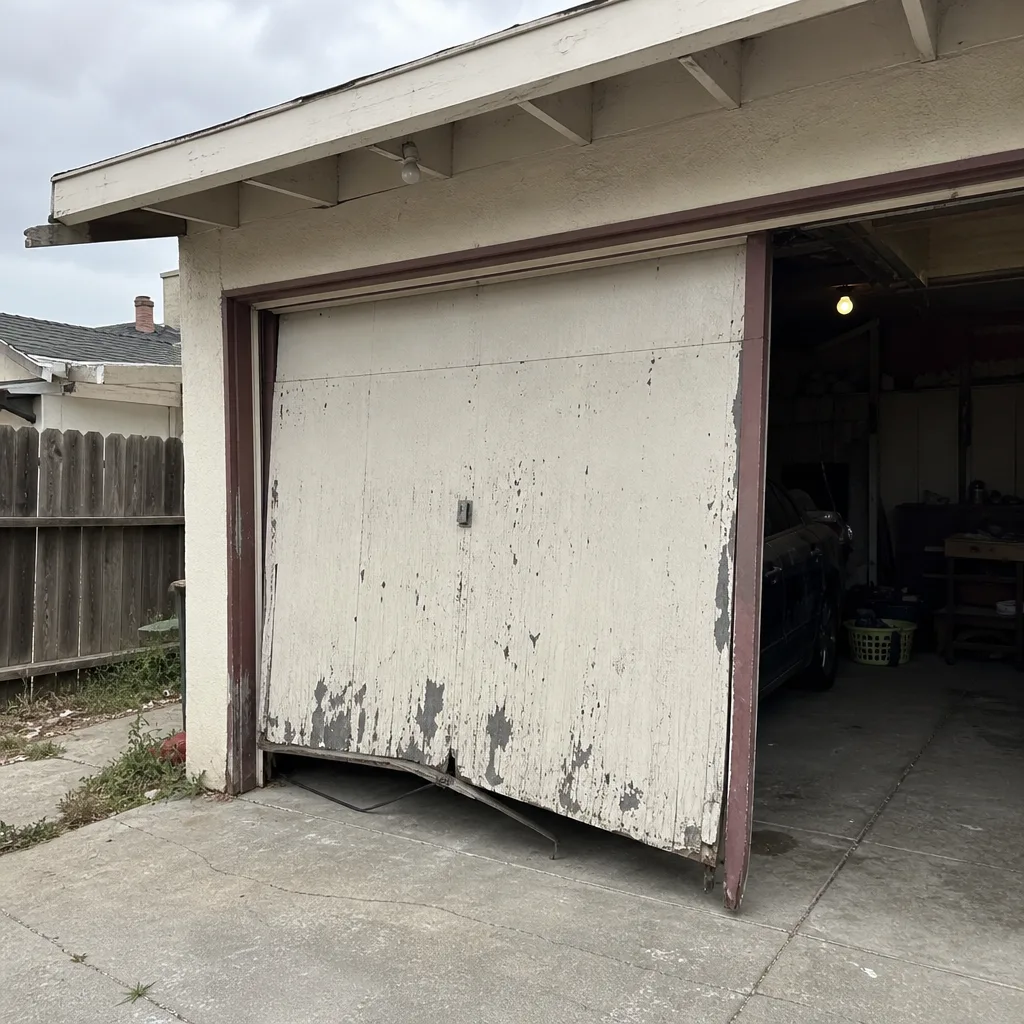 Before
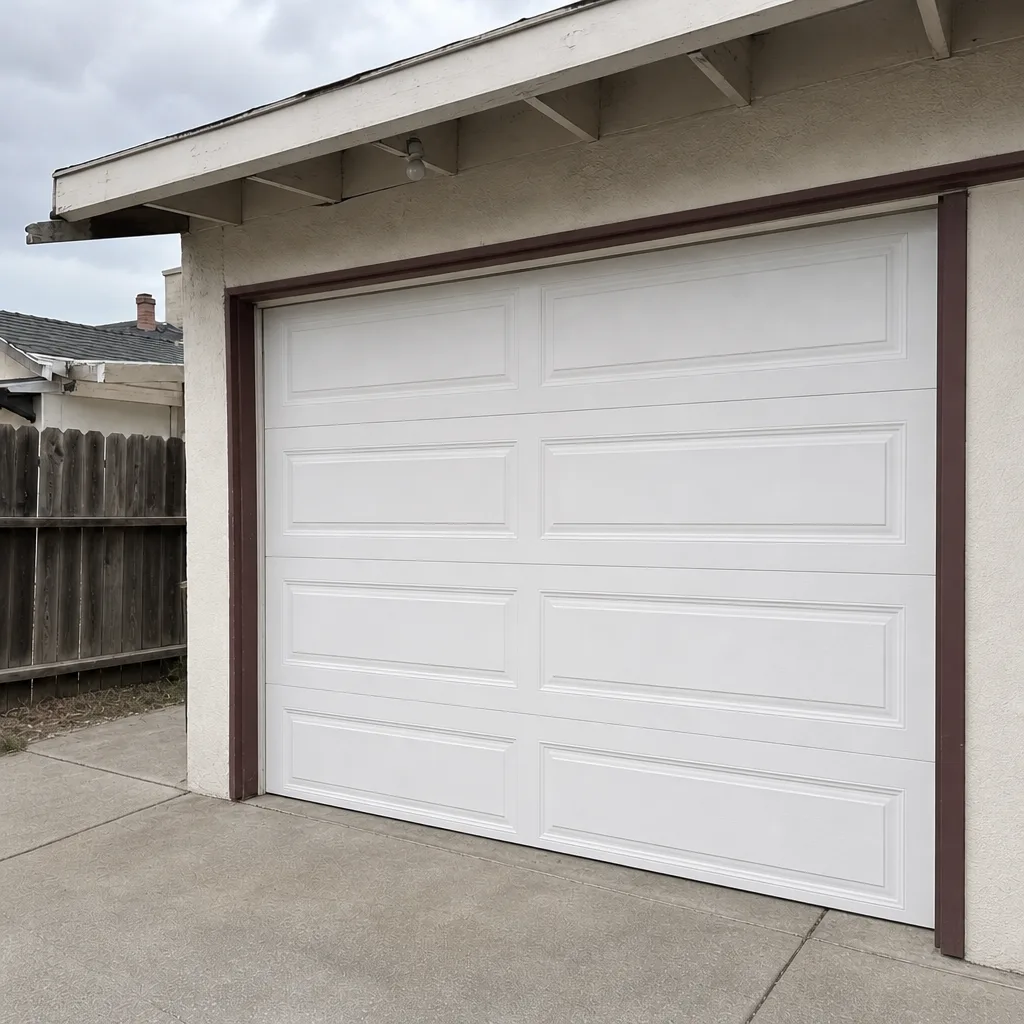 After
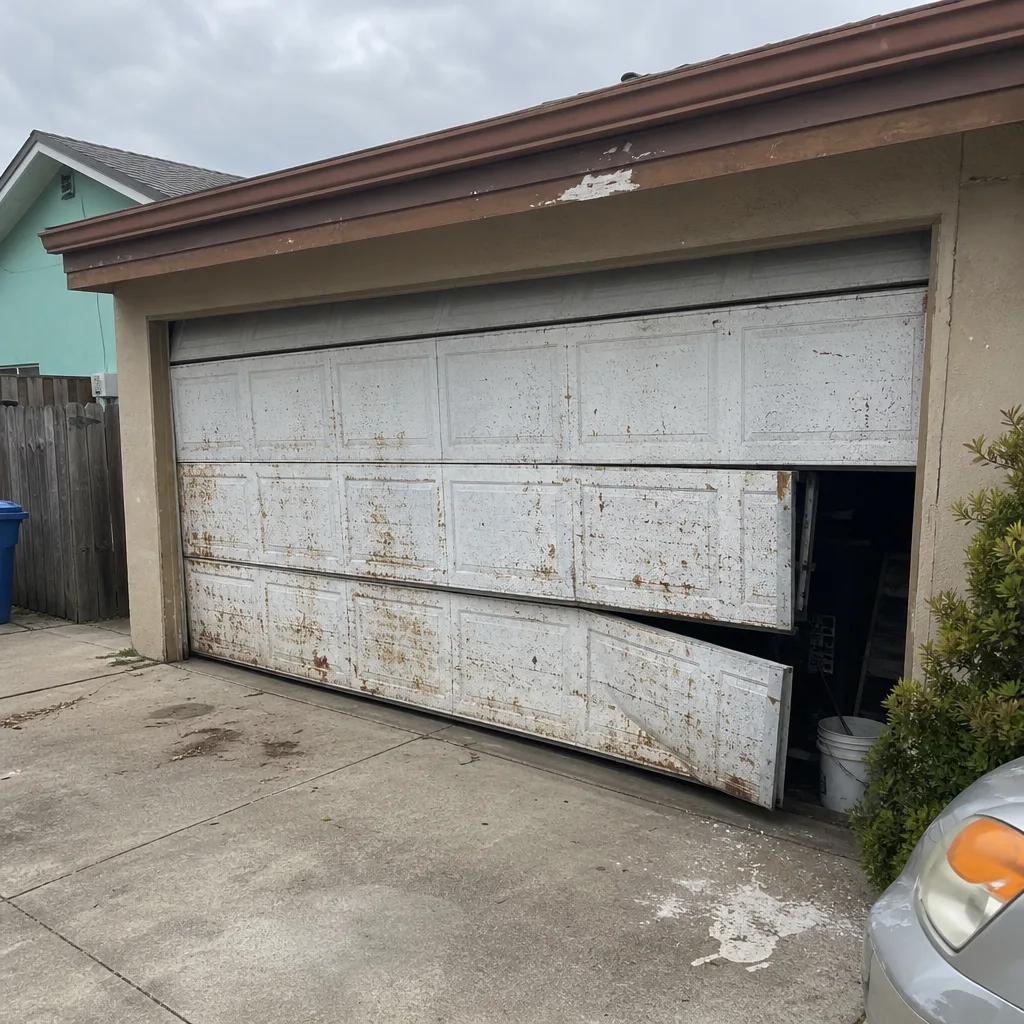 Before
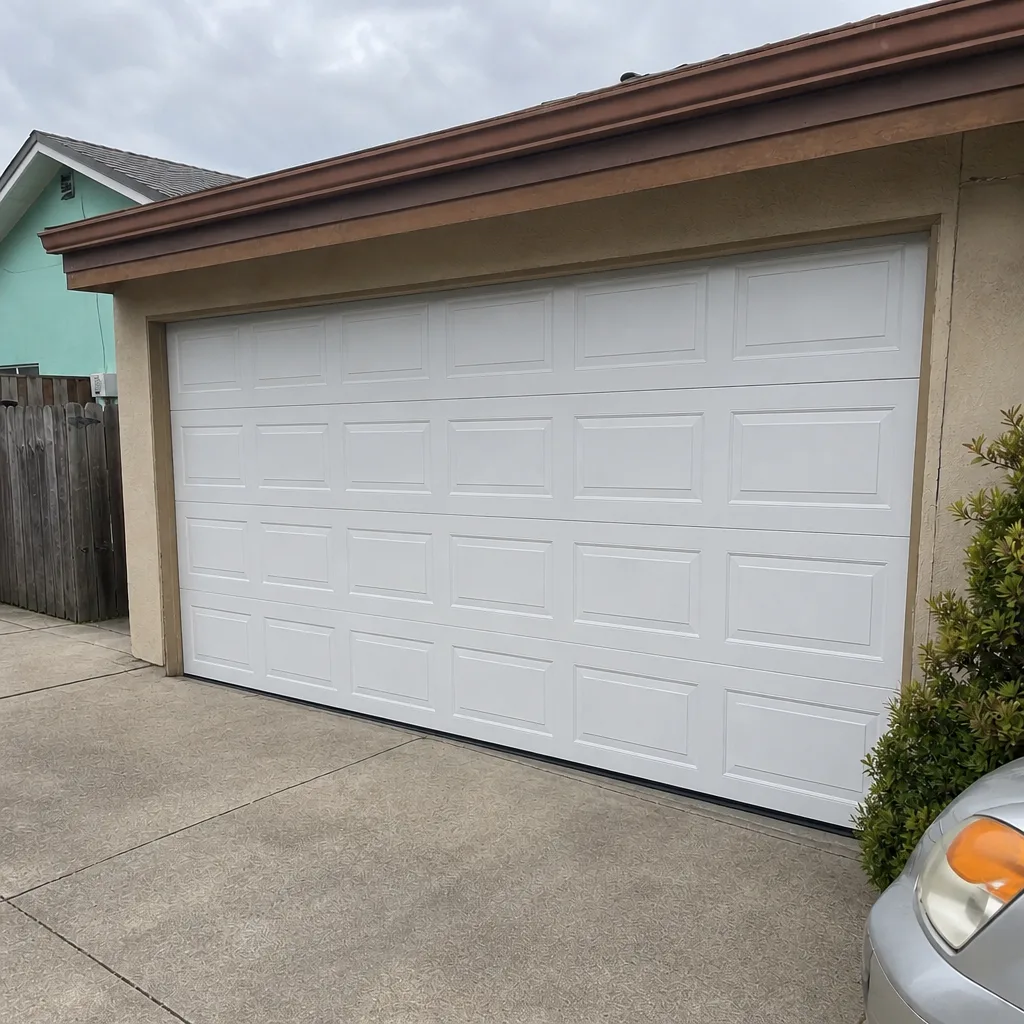 After
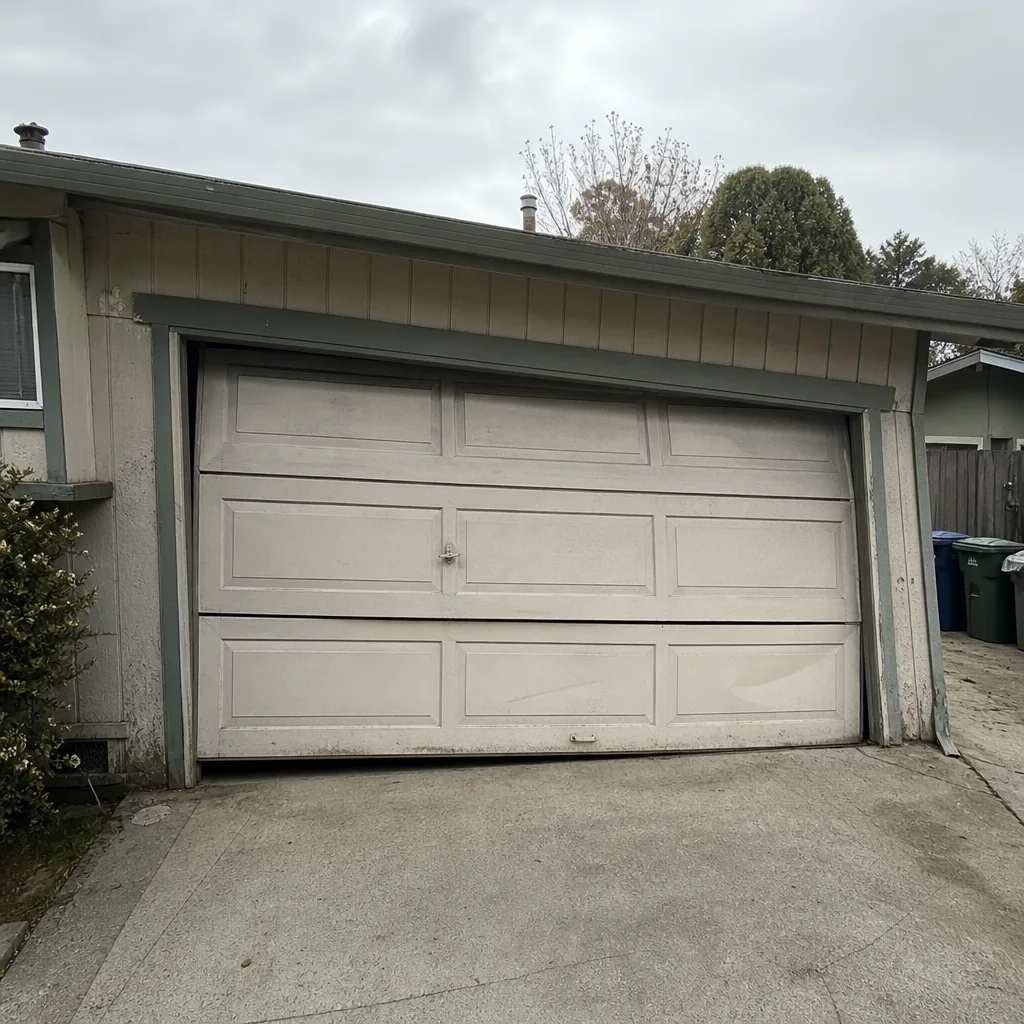 Before
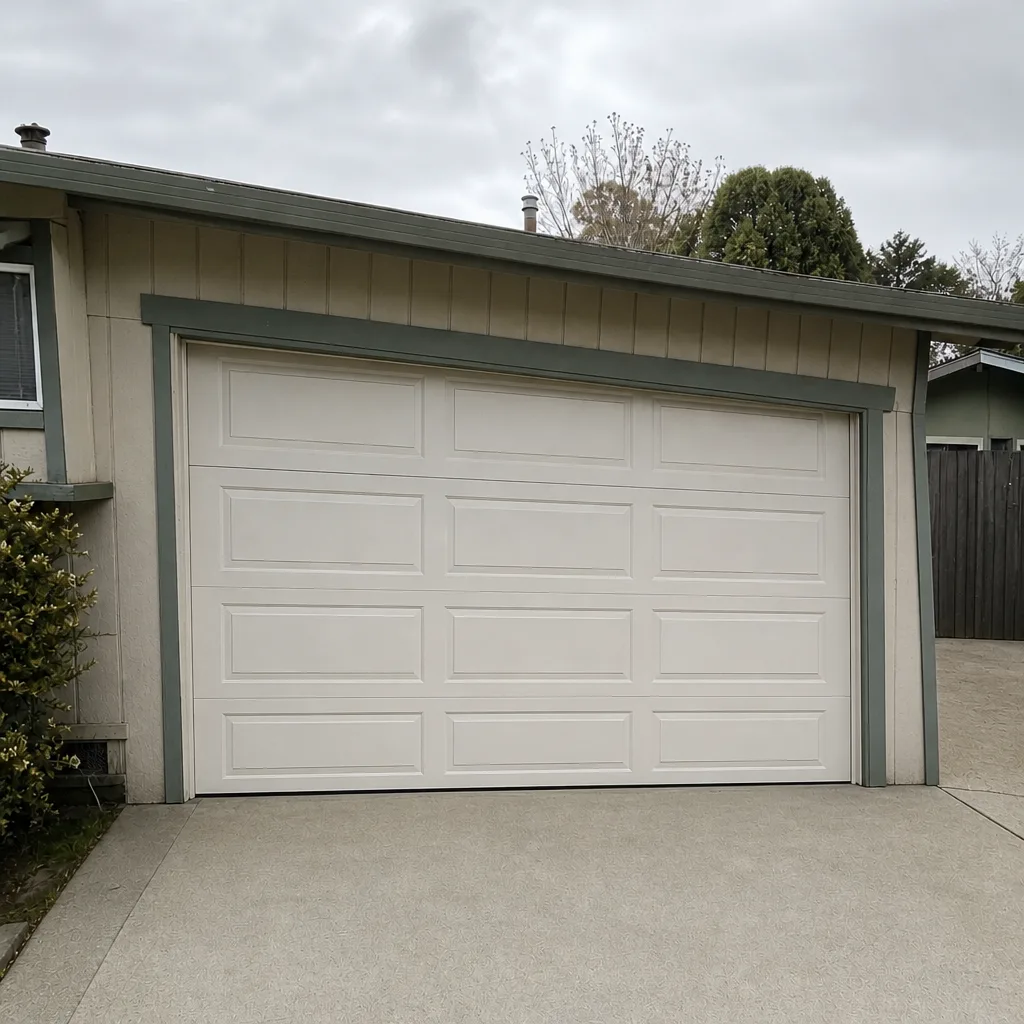 After
When to Call a Professional
Call a technician when you hit any of these: a snapped or visibly slack cable, a spring that’s broken or won’t hold the door up by hand, a door that sags or binds hard during the manual test, an opener that hums but won’t move, or any two-symptom combination from the red-flag list. Call too if the door reverses after you’ve cleaned and aligned the sensors and reset the limit, or if you simply can’t separate mechanical from electrical with the manual test. These cases carry real injury risk or a risk of the door failing under load, and a specialist can tell you what’s actually wrong in one visit.
If you’d rather not diagnose at all, that’s a fine choice. Fletcher Garage Door Repair offers free estimates in Salinas. Call (844) 482-7563. We answer 24/7, with fast dispatch from 7am to 7pm, Sunday through Friday. The written estimate sets the price, and nothing starts until you’ve agreed to it. We’re serving Salinas from a home base in the valley, and we bring our technical knowledge of your brand with us.
Frequently Asked Questions
Most garage door repairs in Salinas fall within a typical range, with the exact price set by the written estimate after a technician inspects the door. The price you agree to before any work starts is the price you pay, and that quote accounts for parts, labor, and the condition of the door. Call (844) 482-7563 for a free estimate.
Your door is doing what it’s programmed to do: the safety sensor sees an obstruction and sends the door back up. The usual cause is a misaligned or dirty photo-eye lens, a dark indicator light on one sensor, or a sensor wire that’s come loose. Clean and align both lenses, then test by walking through the beam. If the door still reverses, the sensor or wiring is failing and needs a technician. Call (844) 482-7563 for an exact quote, and estimates are free.
Yes, same-day repair is often possible when you call early in the day, and our technicians carry common parts for the major brands we service. We answer 24/7 and dispatch from 7am to 7pm, Sunday through Friday. Call (844) 482-7563 and we’ll book you into the next opening.
A broken spring is usually visible as a clean gap in the coil, and the door will feel extremely heavy when you try to lift it by hand. A spring that’s losing tension still looks whole but won’t hold the door at the halfway point. Either way, don’t try to adjust or replace it yourself. Call a technician, because the stored energy in a torsion spring makes a failed adjustment dangerous. Call (844) 482-7563 for an exact quote.
Yes, in a specific way: moisture from the marine layer and salt in the air wear down the torsion spring and the bottom seal faster than in inland climates. That’s why we recommend checking the spring and seal once a year in Salinas, and cleaning the tracks and rollers on a similar schedule. It changes the priority order of troubleshooting here. Call (844) 482-7563 for a free estimate.
Our technicians carry common repair parts for the eight major residential brands we service, including LiftMaster, Chamberlain, Genie, Clopay, Amarr, Wayne Dalton, Craftsman, and Raynor. If your door needs a specific panel or opener component that isn’t on the truck, the technician will tell you at the estimate and schedule the part. Nothing starts before you’ve agreed to the written price. Call (844) 482-7563 for an exact quote.
The Bottom Line
Troubleshooting a garage door is a matter of reading behavior, not replacing parts. Disconnect the opener and run the door by hand first, then use that result to separate mechanical from electrical. Salinas adds its own twist: moisture and salt wear the torsion spring and bottom seal faster here, so those move to the front of the check. Safe fixes (lubrication, sensor alignment, batteries, cleaning) are worth doing yourself. Anything involving springs, cables, or a door that sags or binds is a job for a trained technician. And any pair of symptoms together means stop and call. If you’re at that point, call (844) 482-7563. We answer 24/7, with fast dispatch from 7am to 7pm, Sunday through Friday. We’ve been serving Salinas since 2015.
Written by the team at Fletcher Garage Door Repair, serving Salinas since 2015.